Text by Lyndsey Walsh
Small as they are, the tiny watery worlds that make up Berlin’s urban network of ponds have a magnanimous role to play, both in an ecological sense and within the context of weaving together a sense of place throughout the matrix of Berlin’s urban ecosystem. These often-overlooked Berlin bodies of water take center stage in Margherita Pevere’s workshop titled Pond Codex: Of Life and Death in Berlin’s Small Water Bodies, as part of Art Laboratory Berlin’s Chrysalis. Artists in Labs project’s Artist Scientist Dialogues + Artist Workshops series, which has been running from Autumn 2025 and will continue through the Summer of 2026.
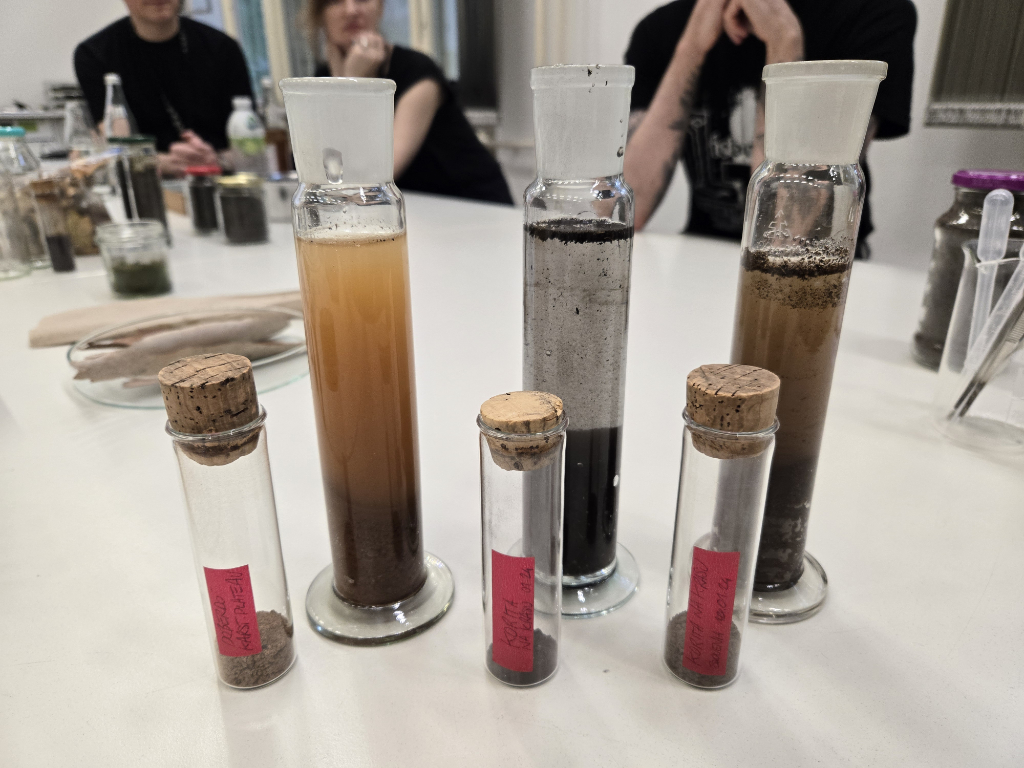
In the workshop, the artist invites participants to join her and her main scientific collaborator, Dr Germán Joosten to the site of one of ponds located at Kreuzpfuhl in Berlin Weissensee, which is featured in the ongoing research project POUNDER, Pollution in Urban ponds, eco-evolutionary Dynamics, and Ecosystem Resilience, run by Leibniz Institute of Freshwater Ecology and Inland Fisheries (IGB) within the Berlin Research Association. Together, Pevere and Dr Joosten seek to position these bodies of water as vessels for the future using them to reveal human and more-than-human legacies of the past while simultaneously aiding in the building of imaginaries of possible futures. In the context of Pevere’s research for Chrysalis. Artists in Labs project, she has also been working in collaboration with PhD students Elise Malsch-Frohlich on the fieldwork components of the research and Gwendoline Acerbi on the experimental components. The workshop session organised by Art Laboratory Berlin includes both a hands-on component and a session for speculation and more imaginative forms of engagement.
Emerging from Pevere’s ongoing research and in the context of Art Laboratory Berlin’s Chrysalis. Artists in Labs project, Pond Codex serves as an invitation for participants to join the artist and her scientific collaborator in an exploration of the life cycle of Berlin’s small bodies of water. As part of the Chrysalis. Artists in Labs project, Pevere has been engaging in cross-disciplinary exchanges with the Jeschke Lab, of which Dr Joosten is a group member, and the POUNDER project’s institutional hosts, IGB and ARL Hannover.
Pevere’s work in Chrysalis. Arts in Labs project builds upon her series of works titled Untaming Death, which Pevere describes as stemming from her practice with leaky and vulnerable bodies and ecologies, including the direct manipulation of living processes with (bio)technology. Looking at death as an ecological process rather than the end of the life cycle, Pevere finds herself drawn to questioning the clear-cut binaries between life and death that have embedded themselves heavily in Western culture. While Pevere describes her inspirations for this series as drawing upon not only the biological and life sciences, but also the political and ethical aspects of death in times of environmental disruption and lastly, the legacy of queer death studies, which she cites the powerful use of queering in this line of research allowing the verb to unhinge death from established binaries.
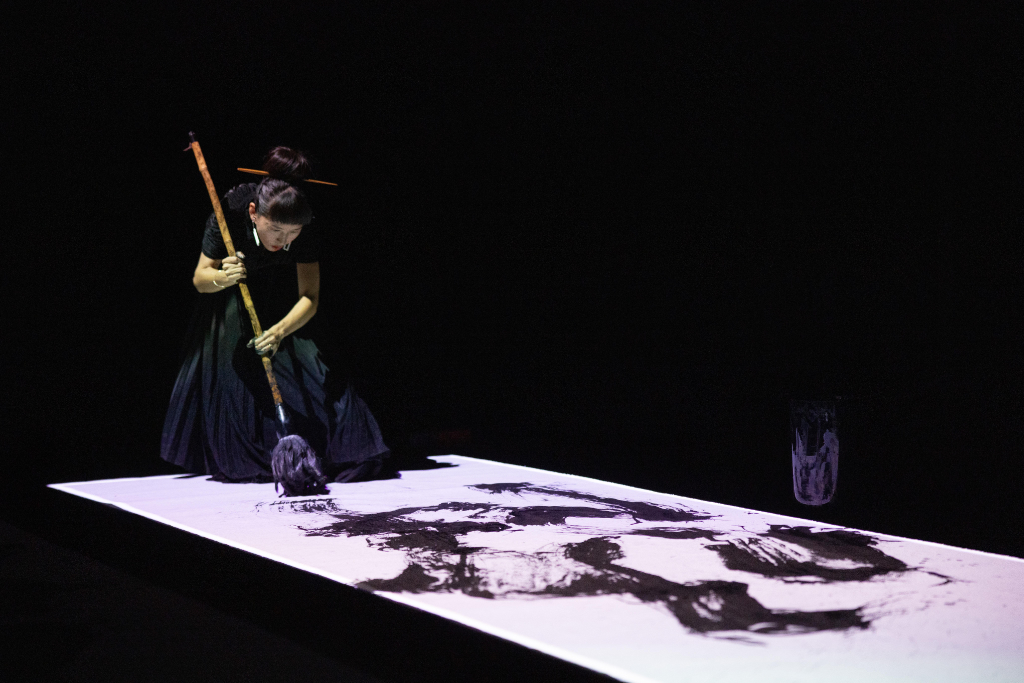
In my interview with Pevere, she credits the term untaming to a dialogue she had with artist, inventor, and theorist Marco Donnarumma. Pevere dove deeper in her response by sharing that the naming of the series both refers to death while simultaneously refuting it as a fixed state. She explained: untaming suggests the reverse of taming, and the refusal to ‘stay put’ or comply with given frames or expectations. Its meaning has two layers. On the one hand, it’s an aesthetic choice: often my artworks hang from the ceiling rather than staying on a pedestal; are projected slanted on a wall rather than on a monitor; or bleed out from the frontal performance format. On the other hand, it’s a philosophical position. Labels and classifications are important tools for understanding the world, yet they may risk becoming THE way one understands the world. Physical and cultural frames are a construct, not a given.
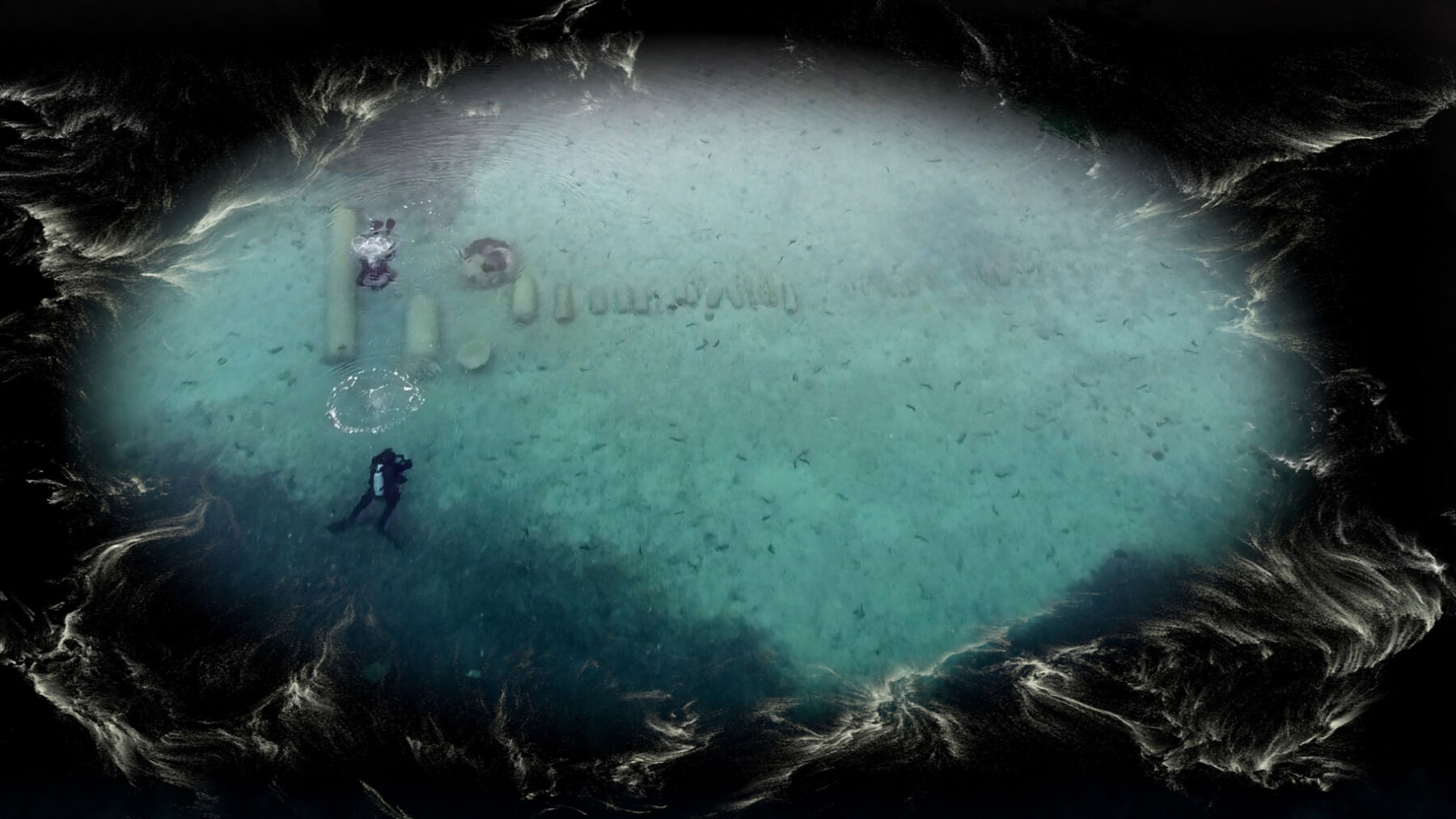
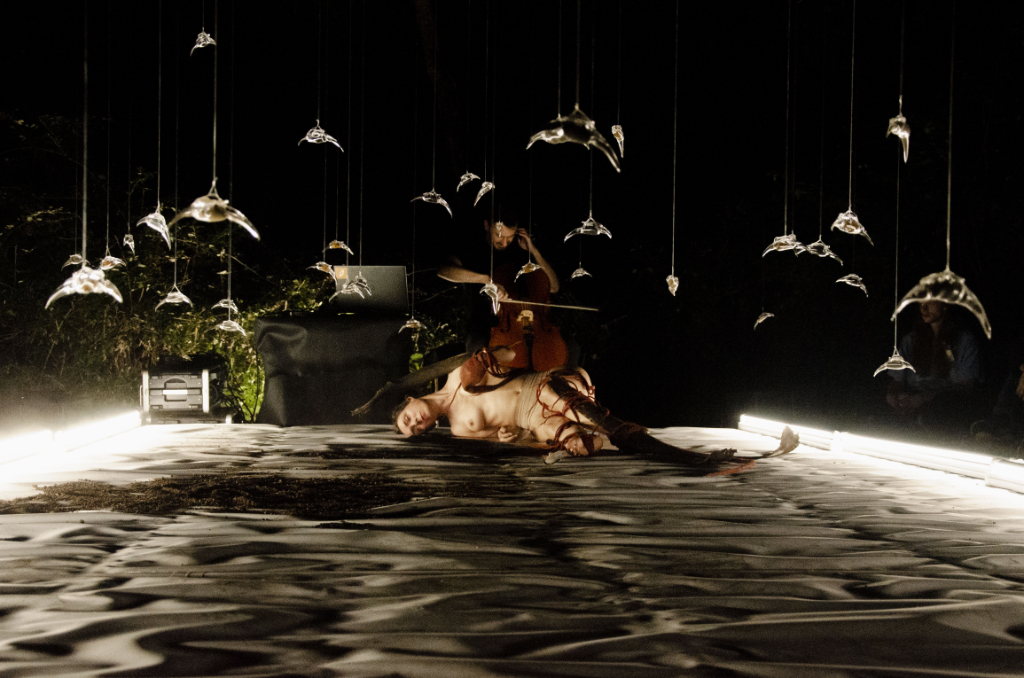
Out of the Untaming Death series, in addition to Pevere’s current work for Chrysalis. Artists in Labs, Pevere’s works Lament and Hlymia have emerged, exploring both external cycles of life and death and internal ones. Lament [1] explores and deals with wildfires, examining their relationship with soils as well as the shifting nature of them as anthropogenic factors have shifted and mutated their emergence and destructive force. Lament was awarded the COAL Prize 2024’s Transformative Territories Mention.
The work has taken shape as not only an installation and performance but also has facilitated a community-engagement programme, which has produced the work entitled Resilient Scars Maps. This facet of the work explores the lingering psychological and cultural toll that lingers long after wildfire events. Resilient Scars Maps was developed in collaboration with Pro(to)topia and has published an open-access toolkit about art and community engagement as restorative practices in contexts of environmental trauma and grief.
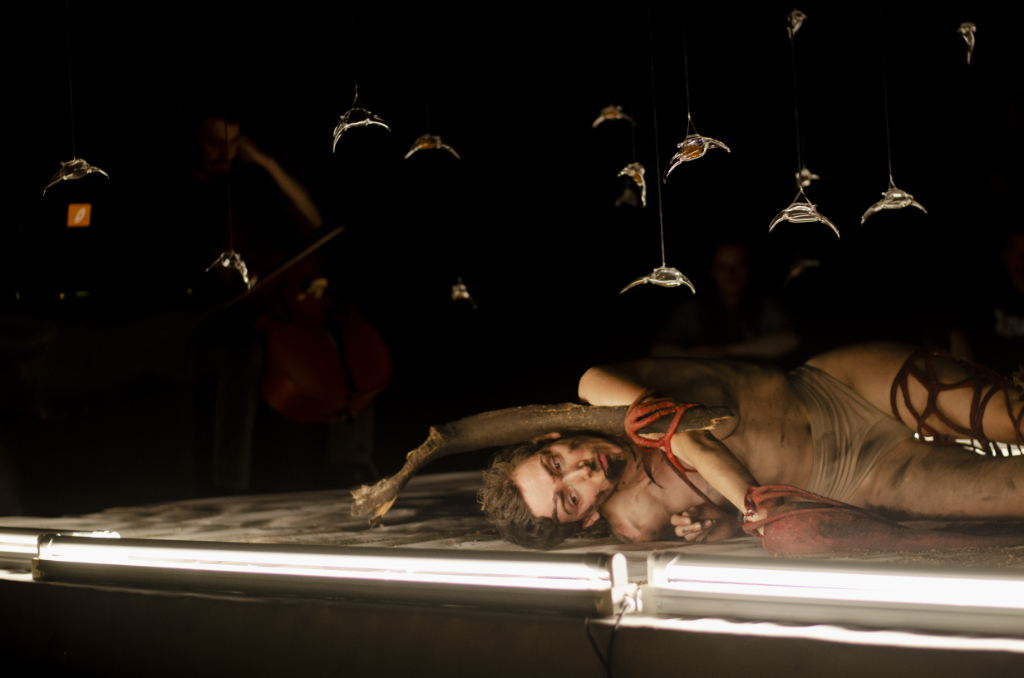
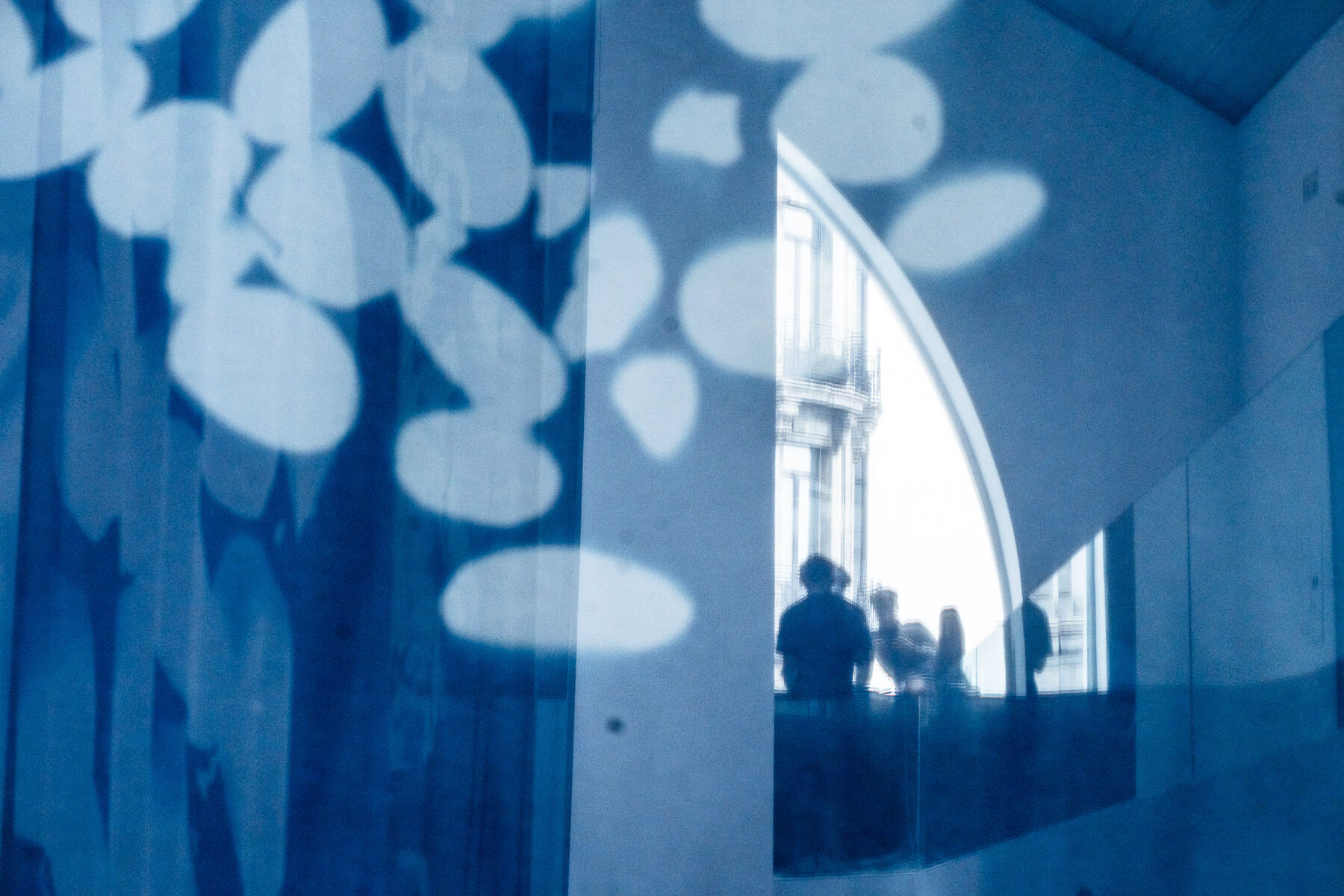
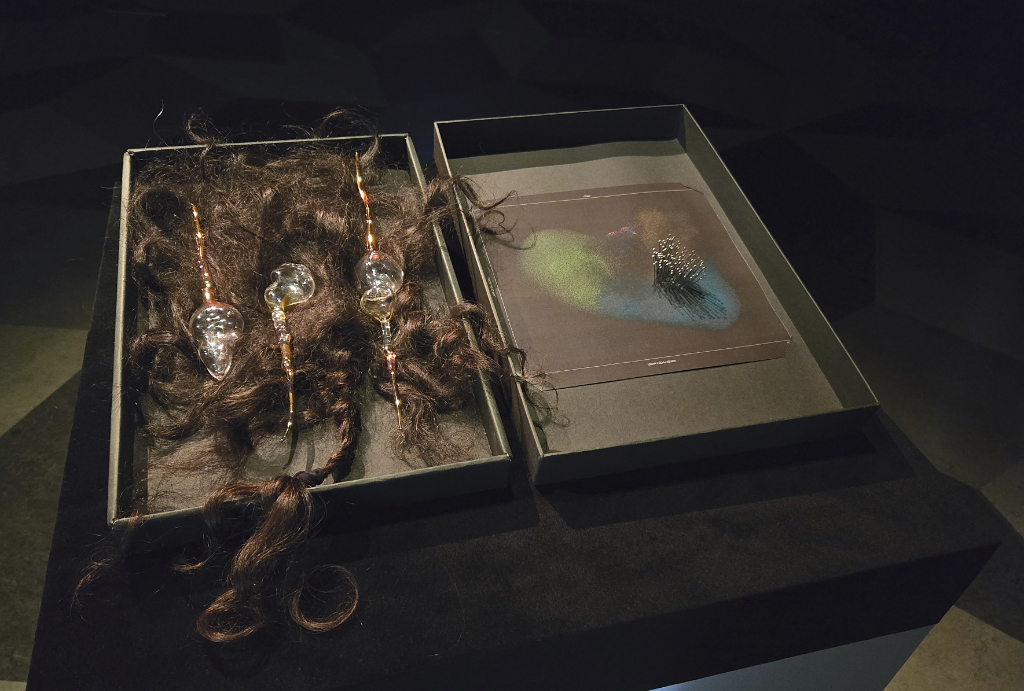
Taking on a more internal examination, Hlymia [2] turns Pevere’s artistic gaze upon her own body, narrowing in on her ongoing autoimmune condition of Psoriasis. In this instance, the endless cycle of killing of the artist’s healthy skin cells by her lymphocytes causes ongoing inflammation, skin flaking, and fatigue. Hlymia transforms the bodily artefacts of the artist’s shaved hair, analysis of the artist’s lymphocytes, and a diagrammatic artefact constructed with metal pins pointing to the T-cell population linked to the condition, all of which become part of a diptych, transformed into a devotional object. The work has been shaped by a residency Pevere has done with the Experimental Immunology department at the Helmholtz Centre for Infection Research in Braunschweig.
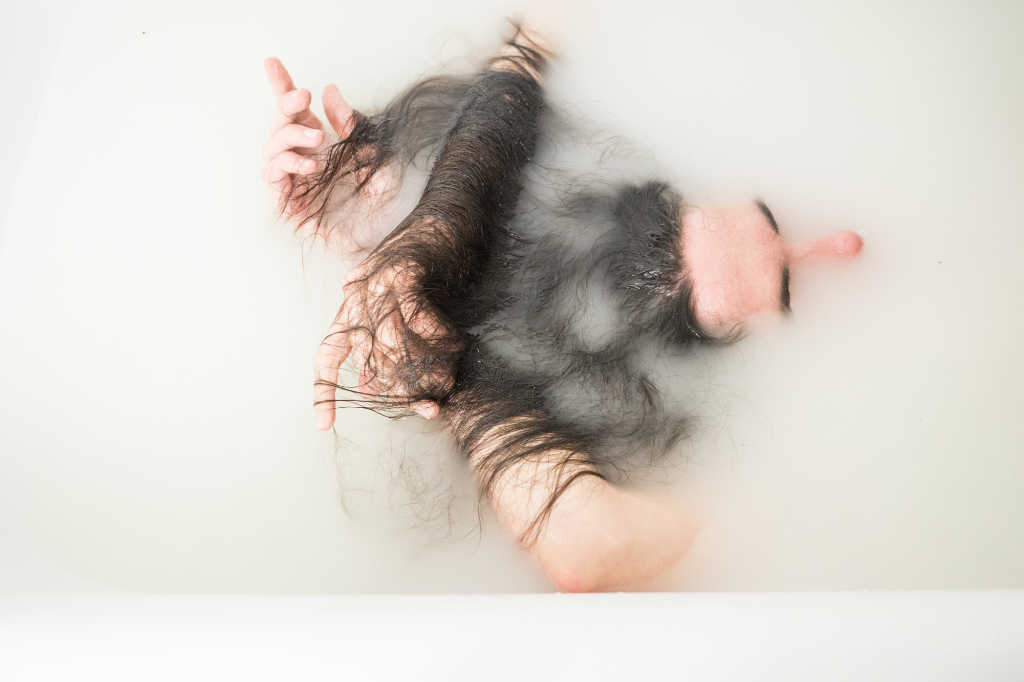
Hlymia links death into the ongoing living cycle of the body, disrupting binary notions of the “self” and revealing how immune systems form a leaky ecology rather than a stringent gatekeeper in the body. The dyptich is exhibited alongside photographic documentation of Pevere’s performative last washing of her hair before it was shaved. Now transfixed upon the small bodies of water within the urban matrix of Berlin, Pevere finds the cycles reminiscent of the lagoon community in Italy, where the artist’s familial roots emerge from. However, while the Berlin watery features draw upon the artistic body-memory, they differ in their enclosed and semi-enclosed nature. Pevere notes: To me they are like ‘shrines’, or incubators: their world-building power lies in holding.
This difference in nature and being concerning these bodies of water is reflected in the process of discovery, collaboration, and exploration unfolding in the context of the Chrysalis. Artists in Labs Pevere elaborates by stating: The artwork and the research are leading me into something I still do not know, ‘forcing’ me to truly listen to the process. Tough and frustrating at times but rewarding!
Pevere notes that her emerging work and process exist within a continuum of her contemporaries, crediting the properties of water as fluid matter belonging to all of us, human, non-human, and more. In this acknowledgement, Pevere credits the power of making work within a network of artists, forming a kind of generation or cohort of contemporaries, who are deeply entangled in working with, around, and submerged in the topic of water, including artists such as Robertina Šebjanič, Kat Austen, Fara Peluso, Kristin Bergaust, among many others. Pevere’s site-specific examination of Berlin’s bodies of water also builds off the already existing legacy of Art Laboratory Berlin’s DIY Hack the Panke (2018-Ongoing) and Bodies of Water Festival (2025).
With many unknowns still ahead, what Pevere and her main collaborator, Dr Joosten, aim to achieve with their upcoming workshop is to use the event as a testing ground for fielding some of their ideas exploring territories and water. The results of which we will keep following, as the artwork and collaboration continue to flow and pool into its finalised form.
The workshop Pond Codex: Of Life and Death in Berlin’s Small Water Bodies runs on Sunday, 10 May 2026, from 11:00 am to 18:00 pm. Registration required, please register here. Workshop Fee: 10-15 EUR. More info in this link.