Text by Dom Stevenson
What begins as necessity – working without access, infrastructure, or permission – becomes something else: a way of engaging with tools, reshaping conditions, and reclaiming the means of production in sound and art
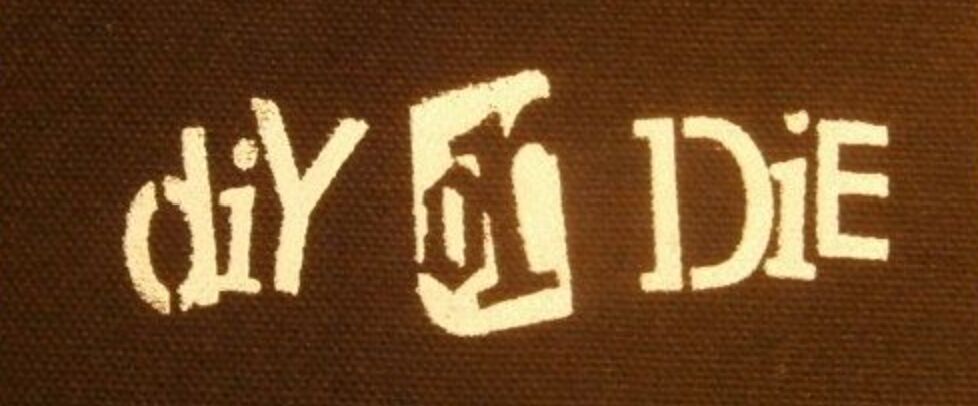
In certain corners of artistic practice, a tacit understanding persists – sometimes expressed bluntly as DIY or die. Not so much a principle as a condition: if something is going to exist, it has to be made to exist. There is no ready-made infrastructure waiting in reserve, no guaranteed institutional pathway for the work to pass through. Instead, artists assemble provisional conditions in real time, shaped through improvisation as the work unfolds, repurposing the tools and technologies available to them.
The question, then, is not simply why DIY, but what remains when there is no alternative. For some, the answer is already embedded in the phrase itself.
In this sense, the phrase carries a quieter political dimension. For many working outside established cultural structures – whether through geography, economics, or social position – DIY is not an aesthetic choice but a necessity. Making work with the means at hand becomes a way of asserting presence within systems that might otherwise exclude it. DIY operates as a form of protest, but also as a process through which individuals and communities develop their own voices, identities, and infrastructures.
At its most embedded, DIY or die begins to resemble less a slogan than a way of operating: a refusal to wait for permission, and a willingness to build outside the structures that would otherwise define how work is made and circulated. It carries an anti-establishment impulse, though less as a declared ideology than as a practical condition – a necessity to act and make, regardless of whether the conditions are formally in place.
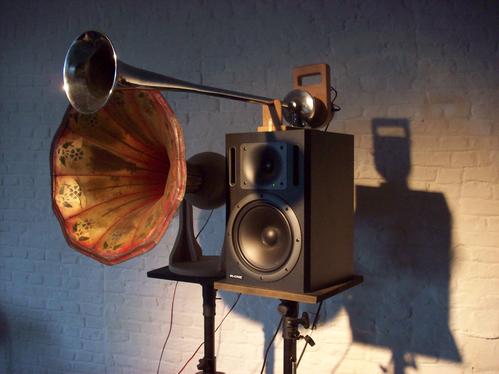
Across the history of sound culture, this has taken material form in practices that repurpose what is available – pirate radio networks, improvised electronics, and domestic technologies reimagined as creative tools.
And yet the phrase raises a strange question. ‘Do it yourself’ – as opposed to what exactly? Doing it through someone else? Following a prescribed route? In most areas of life we rarely emphasise the obvious: nobody talks about DIY breathing. Yet in art and music the term carries a peculiar ideological weight, as if bringing something into being yourself were not the default condition of being human, but a position that has to be actively claimed.
What, then, constitutes DIY? Less a fixed category than a shifting condition, it emerges wherever existing structures no longer account for what is being made – where new ones have to be assembled in their place.
It is precisely these questions that frame, Why DIY, the first issue in the tekhnē journal series. The publication is both thorough and carefully assembled, bringing together a range of perspectives that reflect the complexity of its subject. Developed as part of a collaborative project exploring the emancipatory potential of technology in music and sound art, tekhnē shifts the focus from the design of tools to their use – how artists adopt, adapt, and misuse technologies in ways that exceed their intended function.
As the editorial suggests, it is through this process of appropriation and reconfiguration that both artistic practice and access to it are reshaped. In this context, DIY is not simply a mode of production, but a way of engaging with technology that opens up alternative forms of agency and expression.
At this point, DIY stops being a label and becomes a relationship to tools. Not tools as neutral objects, but as things that resist, exceed, or misbehave. When the systems around a practice are incomplete – or simply not designed with certain users in mind – making work often means pushing materials beyond their intended function, or discovering what they do when they fail to behave as expected.
Perhaps this is why DIY so often echoes a kind of exploratory logic: the impulse to take things apart without fully knowing how they will go back together. A curiosity that privileges testing over instruction, misuse over correctness. Much of experimental sound and music emerges from this instinct.
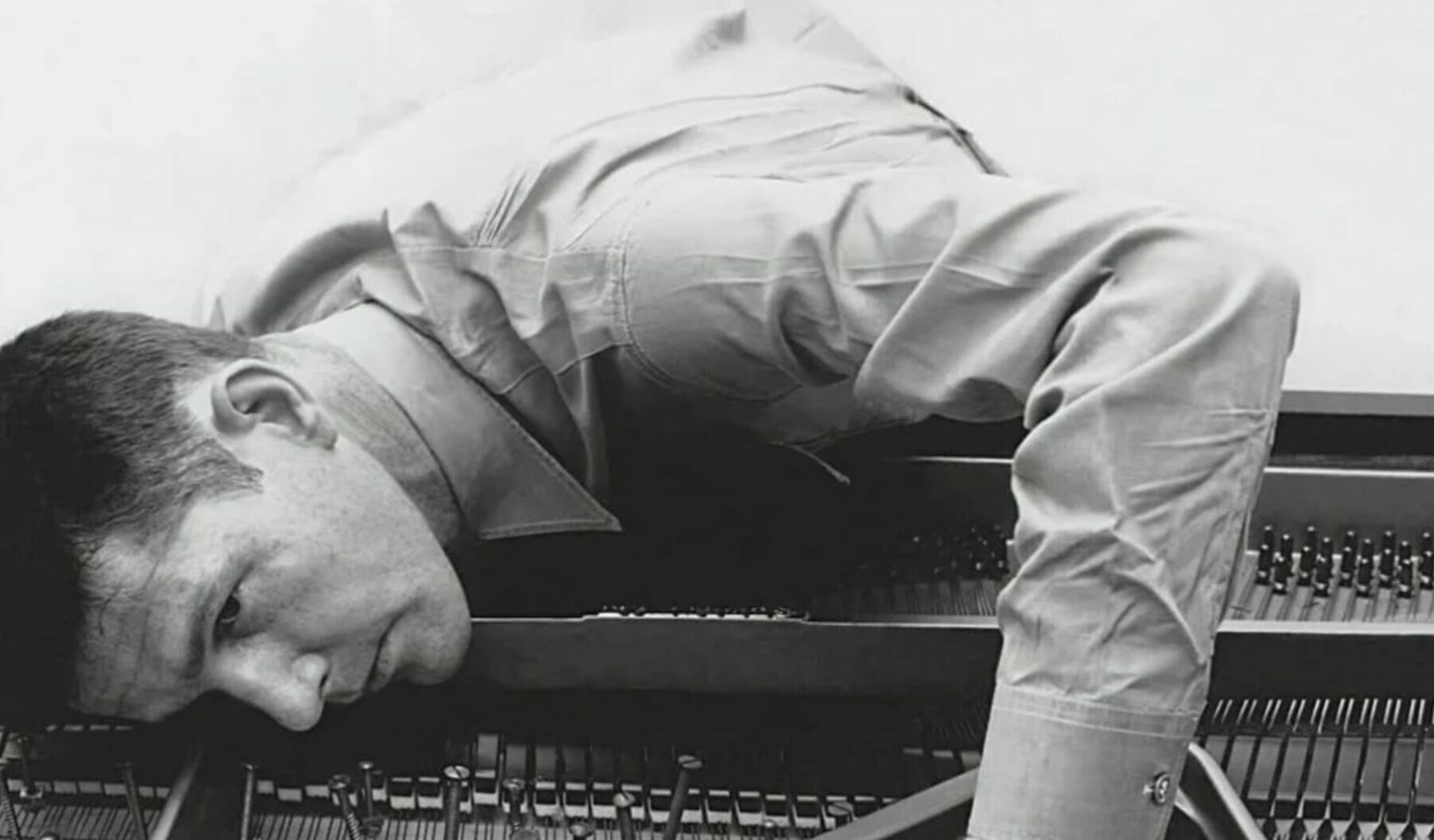
When John Cage placed screws, bolts, and pieces of rubber between the strings of a piano to create the prepared piano, he effectively turned a concert instrument into a small percussion orchestra – less an act of virtuosity than one of curious sabotage. The piano, long associated with discipline and mastery, became unstable and unpredictable. Its transformation suggests that innovation often begins not with new tools, but with new ways of encountering existing ones.
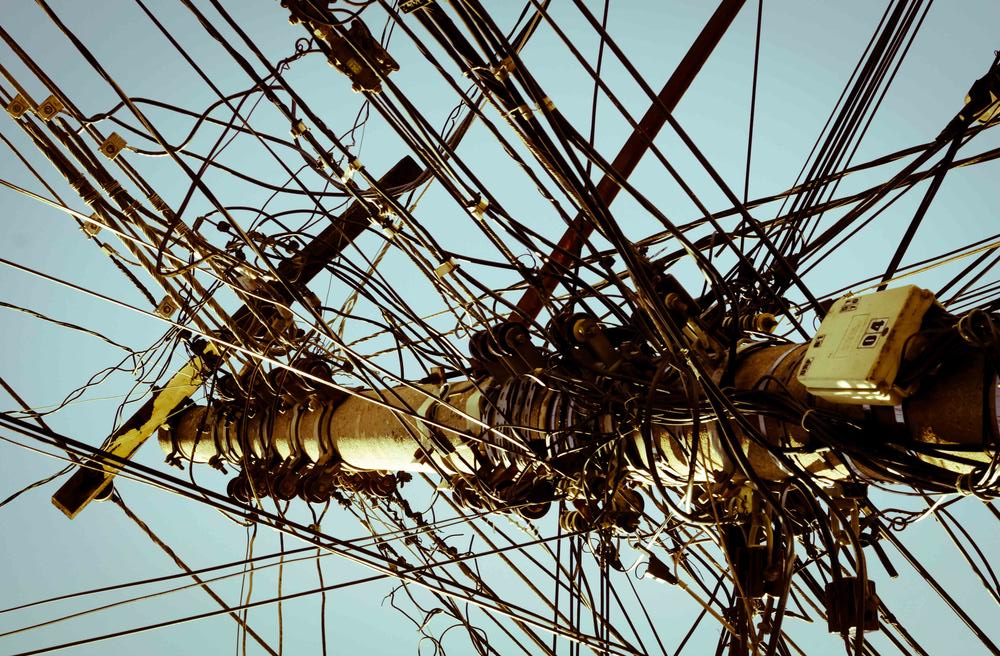
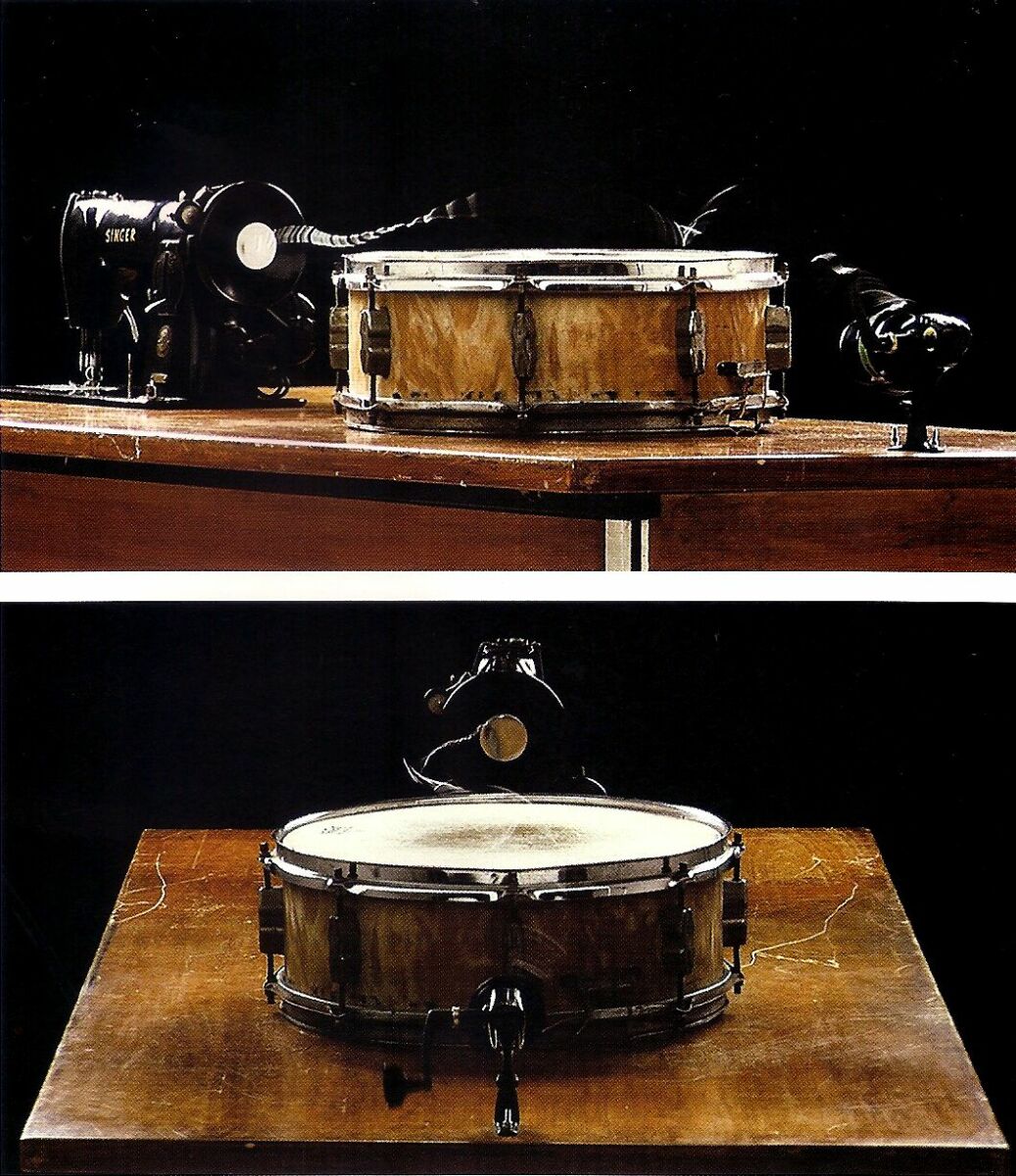
A similar logic appears in the Brazilian concept of ‘gambiarra’ – an improvised way of solving problems when tools or resources are not readily available. Like DIY, it describes a mode of working that emerges from constraint, but also from a willingness to intervene in the designed function of objects. In artistic contexts, gambiarra encompasses practices such as instrument building, hardware hacking, and the adaptation of everyday materials into sound-making devices. It operates by short-circuiting the relationship between form and function, producing new tools and possibilities.
Crucially, gambiarra is not only technical but cultural. Its associations with improvisation, precariousness, and invention reflect broader conditions of access and resourcefulness, where making do becomes a generative strategy rather than a limitation. As with the prepared piano, the instrument is no longer fixed but open to reinterpretation, reassembly, and misuse. If DIY describes a necessity, gambiarra reveals how that necessity becomes a method.
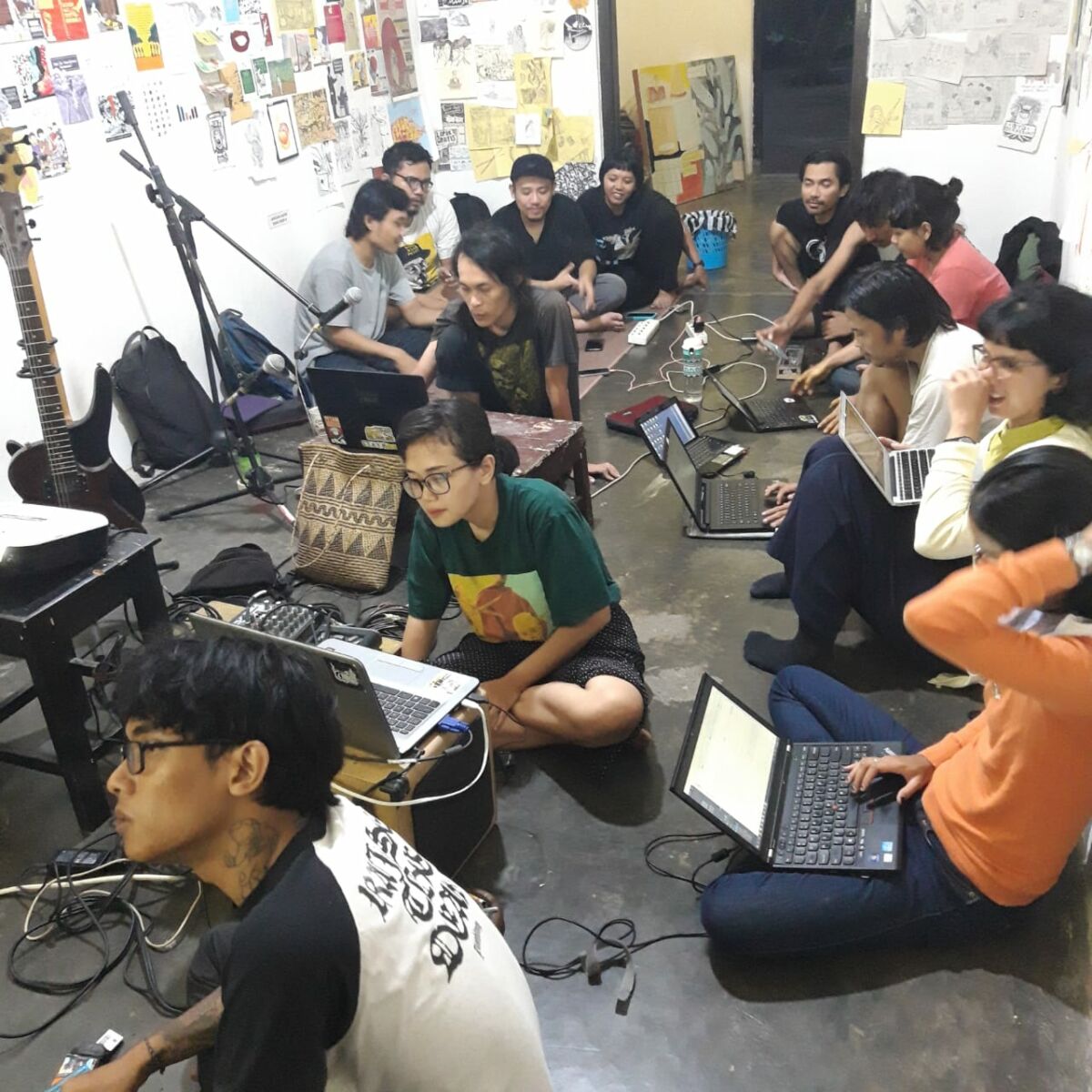
This same logic extends beyond individual practices into collective forms of organisation. The artist-run space Ruang Gulma in Yogyakarta offers a contemporary example of how DIY operates not only as a method of making, but as a way of structuring social and creative life. Founded as an open and accessible space for music, art, and community activity, the collective rejects traditional forms of gatekeeping – no curation based on CVs, reputation, or technical ability. Instead, participation is grounded in a willingness to engage, contribute, and take responsibility.
What emerges is a form of practice grounded in an exploratory logic – one that values participation over expertise, process over outcome, and collective learning over individual mastery. Activities move fluidly between sound experimentation, writing, discussion, gardening, and workshops with local children. Knowledge is not delivered from above, but developed through exchange, trial and error, and negotiation. In this sense, the space operates less as an institution than as an evolving ecosystem, where artistic identity is formed through participation itself.
At the same time, Ruang Gulma reveals the tensions inherent in DIY practice. Operating within a local context requires negotiation, adaptation, and accountability. Its relationship with surrounding communities – at times marked by conflict, misunderstanding, and eventual reconciliation – highlights that DIY is not simply a space of freedom, but one shaped by social responsibility and interdependence. Here, autonomy is not absolute, but relational.
Seen this way, DIY is less a genre or aesthetic than a way of perceiving and engaging with the world. It is the moment when a tool exceeds its intended function – when use becomes misuse, and misuse becomes generative. What begins as deviation often becomes a new condition for innovation.
The contributions within Why DIY trace these dynamics across a range of contexts, demonstrating how practices of appropriation, adaptation, and collective experimentation continue to shape the field of sonic art. What emerges is not a singular definition of DIY, but a set of approaches – each grounded in specific material and social conditions – that collectively point towards more autonomous and inclusive ways of making and thinking through sound.
What returns, in the end, is not the slogan itself, but the condition it describes. If something is going to exist, it still has to be made to exist. The difference is that this condition is no longer understood as a limitation, but as a site of possibility – one in which the act of bringing something into being, and the means through which it is done, can be reconfigured, shared, and reclaimed.