Text by Irem Erkin
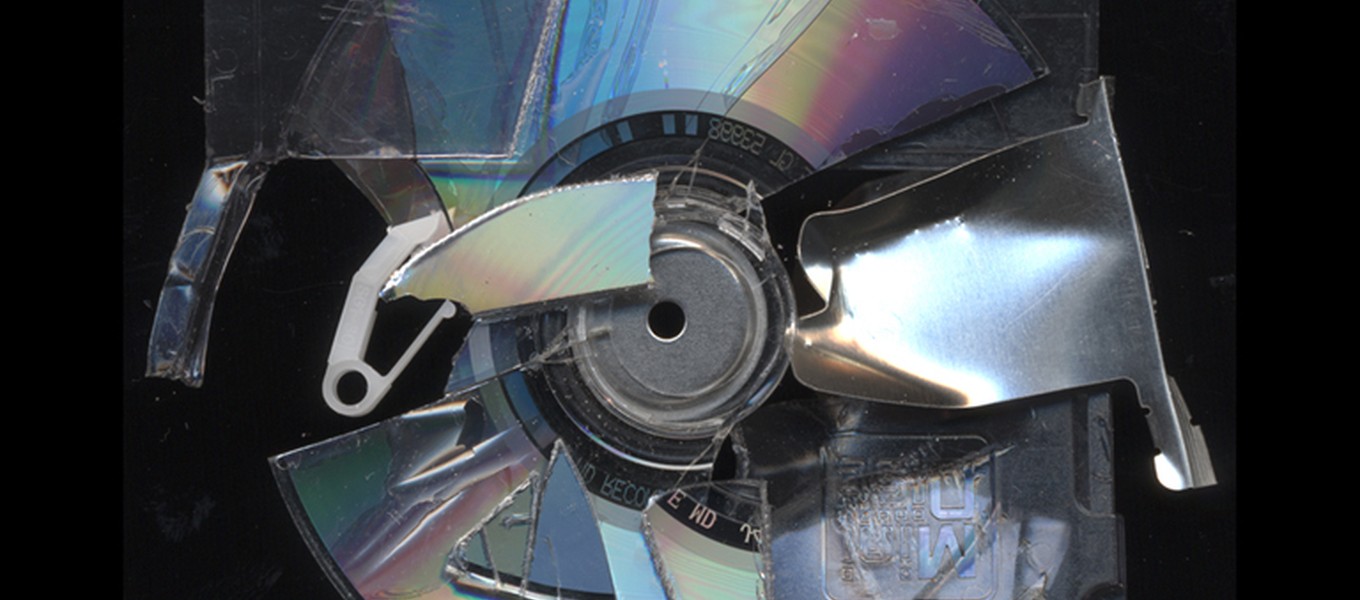
Materia Prima, in Latin ‘raw matter‘ or ‘first material,’ is the theme of the second issue of Tekhnē journal. Materia Prima refers, in this issue’s context, to the physical materials such as metals, minerals and electronic components that form the foundation of sound technologies. Rather than conceiving digital sound as something abstract, the issue Materia Prima invites us to look at the hidden material layers that make it possible.
Tekhnē journal is a collaborative European project involving organisations such as CTM Festival, GMEA, OUT.RA, Q-O2, Skaņu Mežs, and TRAFO, which explore the relationship between technology, music, and sound art. The project focuses especially on the political and ecological implications of technological tools, questioning how they are produced, used, and distributed. Its second issue was curated by Yann Leguay in collaboration with Marie Lechner for GMEA, the National Centre for Music Creation of Albi-Tarn, a leading organisation for musical creation in Occitanie, which develops its activity through commissions, residences, the production of new works, and research. With this journal edition, Materia Prima brings together artists and researchers who examine the material reality behind sound reproduction technologies.
Through their work, they reveal that devices we often consider lightweight, portable, or “dematerialised” are in fact deeply connected to processes of extraction, industrial production, and environmental impact. By focusing on these hidden aspects, Materia Prima encourages a more critical understanding of how sound technologies operate within a broader global and ecological system.
It highlights a key contradiction: while devices are becoming more portable and accessible, they are also becoming more complex and dependent on raw materials, energy, and global production systems.
The issue is analysed in four articles from different perspectives, exploring the materia prima hidden in the invisible.
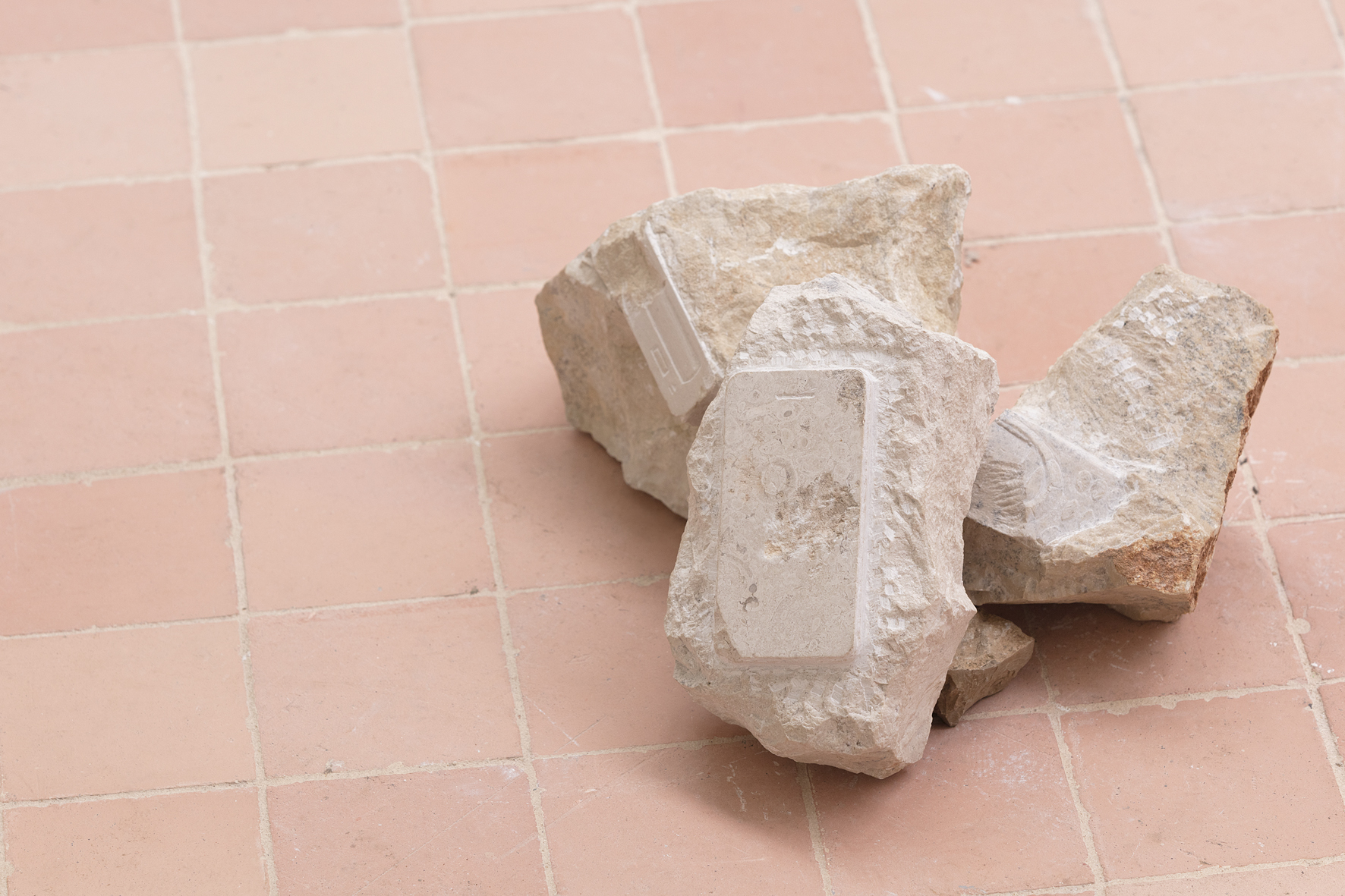
Dematerialized – Yann Leguay
In Dematerialized, Yann Leguay explores sound technologies through a hands-on approach, opening devices, modifying them, and analysing how they function. By doing this, he focuses on the many interfaces and layers that exist between a sound as a physical vibration and the moment it reaches our ears. These include recording systems, circuits, storage media, and playback devices, all of which shape both how sound is reproduced and how it is used in artistic practice.
Through this investigation, Leguay examines the history of sound recording technologies, from early mechanical inscription of sound to magnetic tape and later digital formats such as the compact disc. Each of these technologies relies on specific materials and internal structures such as magnetic particles, electronic circuits, and digital encoding systems, showing that sound has always depended on physical processes. By comparing recordings of Richard Strauss and ABBA on early CDs, he highlights how technological change does not eliminate material constraints, but reorganises them in different ways.
Leguay describes his research as a kind of ‘speleological journey,’ a descent into the internal layers of devices, including their circuits, components, and architecture.
This process reveals that sound media contain a condensed history of our relationship with materials, reflecting how humans have continuously worked with and transformed physical matter over time. Even as technologies become faster and more efficient through increased data processing and transmission speeds, they also become more complex and less transparent.
Ultimately, the article argues that dematerialisation is an illusion. While digital sound appears abstract and immaterial, it still depends on physical materials and infrastructures that are simply less visible. This creates a form of cognitive dissonance, in which our experience of sound feels detached from its material reality, even as it remains deeply rooted in it.
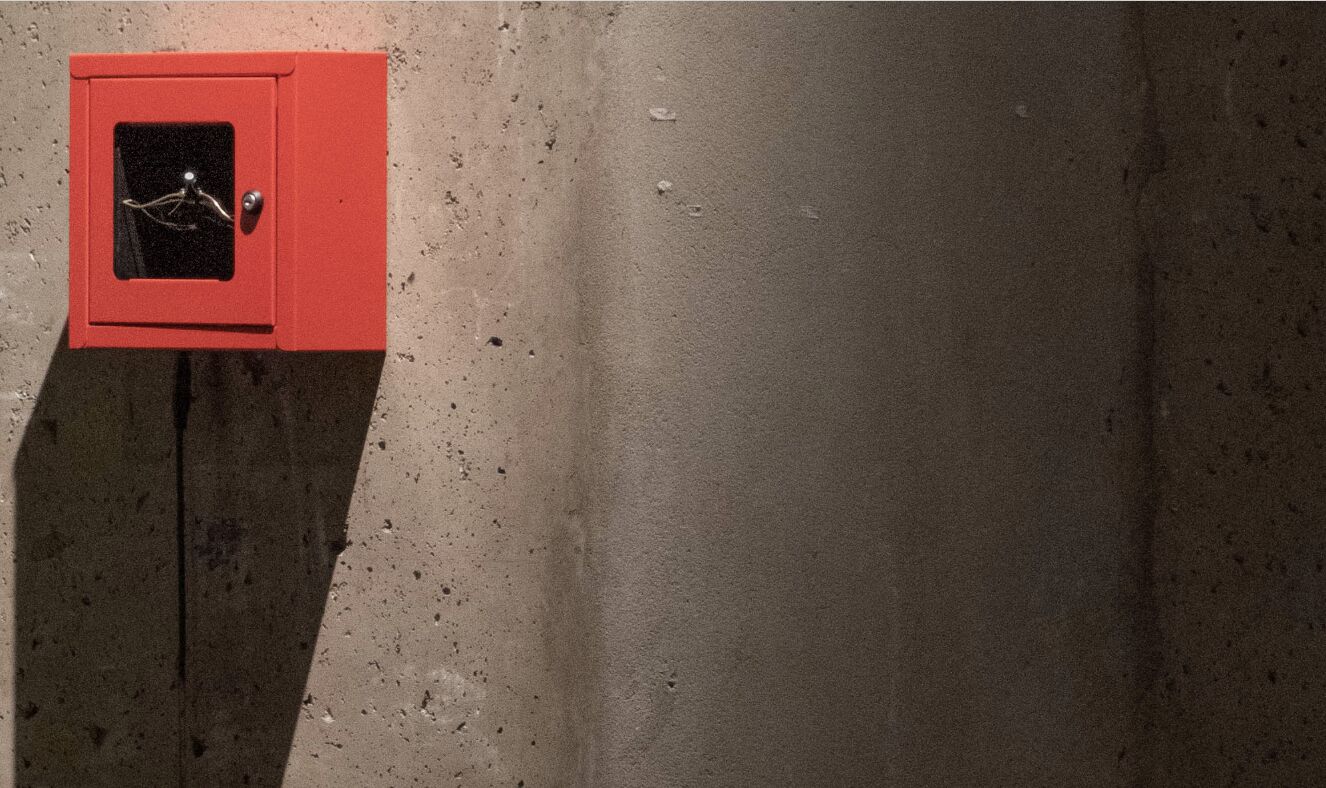
Derniers Souffles: Requiem for the Anthropocene
In this article, Sonia Saroya and Edouard Sufrin present an installation comprising three industrial boxes housing electronic circuits connected to loudspeakers. These circuits are built from materials such as brass, as well as electronic components like transistors and diodes, which produce a continuous hum similar to white noise. To create specific sound textures, the artists worked with older semiconductor materials, especially germanium (Ge) and silicon (Si), often recovered from obsolete military and industrial equipment.
Their work led them to investigate how these components function, and also the history of their production, including the extraction of raw materials and the industrial processes behind them. For example, silicon, widely used in electronics, requires high temperatures, large amounts of energy and water, and chemicals such as arsenic, phosphorus, nitric acid, and sulfuric acid to be purified and manufactured. This highlights the environmental and political impact behind even the smallest electronic elements.
A central focus of the project is white noise, which is made up of all audible frequencies (from 20 Hz to 20,000 Hz) played at the same level. The artists explore its strong psychological and sensory effects: it can be calming, help with sleep, reduce anxiety, and even improve concentration. It works partly by masking other sounds and through a phenomenon called stochastic resonance, which can enhance signal perception. However, white noise also has an ambiguous side. While it is often associated with natural and soothing sounds like the sea, rain, or waterfalls, it is actually an artificial product of technological systems.
The installation amplifies the hum of electronic components and creates a soundscape resembling ocean waves, forming a powerful metaphor in which the soothing sound of white noise may also evoke the “final hum” of an industrial world linked to environmental crises and rising sea levels. The artists draw a parallel between the chaotic behaviour of electrons inside components (such as avalanche breakdown in transistors) and the uncontrolled expansion of technological systems and their ecological consequences.
In the end, the work exposes a strong contradiction: white noise can feel comforting and relaxing, yet it is also the sound of technological excess and environmental impact. The installation invites the listener to experience both sides simultaneously, offering a moment of calm while also serving as a warning about the planet’s future.
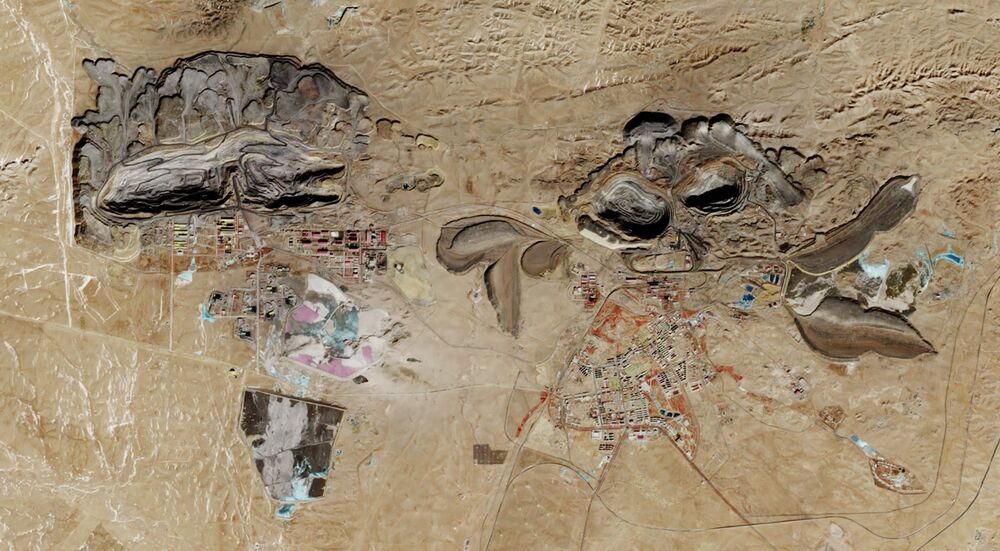
Bluetooth Extractions: Geomagnetism & Metallurgy – Stephen Cornford
In Bluetooth Extractions: Geomagnetism & Metallurgy, Stephen Cornford shows how Bluetooth speakers and sound technologies are deeply tied to metallurgy, geology, and global extraction systems. He explains that sound has always been stored and reproduced using magnetic materials, from magnetic wire and tape to hard drives with cobalt-alloy particles and loudspeakers with copper coils and neodymium-iron-boron (NdFeB) magnets.
Instead of seeing media history as a shift from analogue to digital, Cornford describes it as a shift in materials from ferric metals to rare earth elements like neodymium. He links this to Lewis Mumford’s idea of the neotechnic era, where modern technologies are based on an “electricity-and-alloy complex” that enables light, portable devices like Bluetooth speakers.
The article also connects these materials to Earth’s geological systems, explaining how rare-earth elements such as neodymium are derived from minerals like bastnäsite and monazite, which form over long geological timescales and are linked to the planet’s magnetic history. This shows that sound technologies are indirectly connected to palaeomagnetism and planetary forces.
Cornford highlights the environmental impact of extraction, noting that rare-earth mining generates significant waste and pollution. For example, refining rare earths can generate large volumes of radioactive, acidic wastewater, revealing the ecological cost of digital and audio technologies.
Finally, he shows how neodymium magnets are also essential for wind turbines and electric vehicles, meaning sound devices are part of the same global competition for resources shaping the energy transition. Projects like REEPRODUCE attempt to recycle these materials, but the process remains complex and resource-intensive.
Overall, the article makes clear that Bluetooth speakers are part of a wider system linking sound, geology, industrial extraction, and global energy politics.
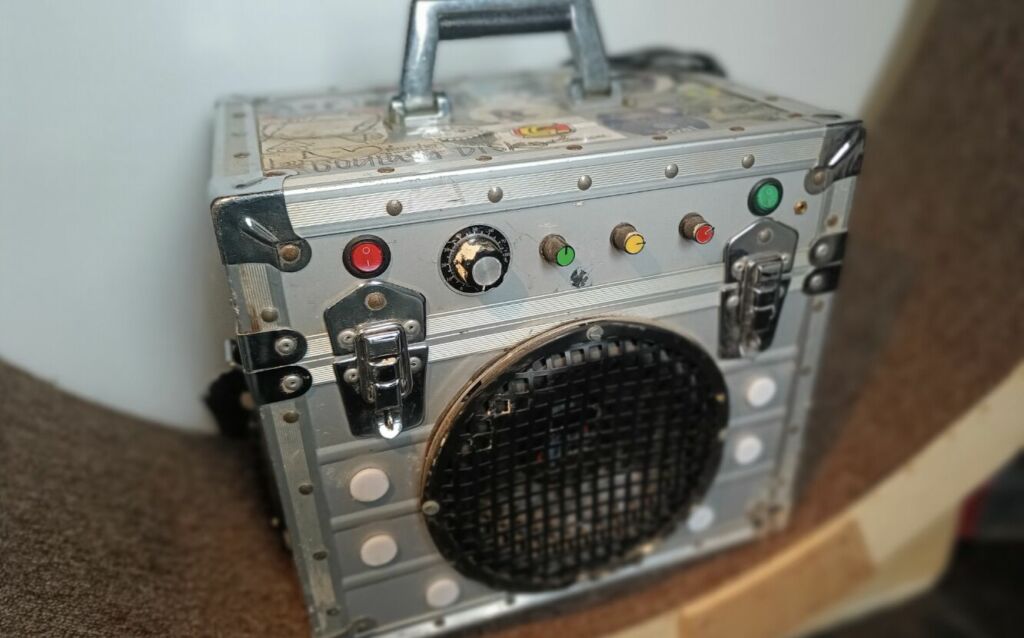
Electro(nic) Mobilities – Interviews
Electro(nic) Mobilities brings together three different conversations: an interview with a Parisian cataphile collective, an interview with Le Laboratoire Souterrain, and an interview with Pierre Pierre Pierre and Antoine Capet, exploring how portable sound technologies have transformed the way sound is produced, experienced, and shared. It traces the development of mobile listening and sound-making from early portable devices such as the Sony TR-63, the first pocketable transistor radio, to the Sony Walkman, and today’s smartphone-based systems. These technologies have made sound increasingly mobile, personal, and flexible, allowing artists to work outside traditional institutions and bring sound into public or unexpected spaces.
Each of these groups explores autonomous and often underground approaches to sound practice. Their work includes DIY systems, battery-powered setups, and site-specific interventions that allow sound to exist independently from conventional infrastructures such as studios, galleries, or concert halls.
However, these interviews also point to a tension at the core of this mobility. These autonomous practices depend on battery-powered technologies, especially lithium-ion systems, which rely on extractive industries and environmentally damaging processes. Working with or around these constraints, the artists reflect critically on the tools they use, resulting in a perspective on mobility that is both creative and critical: it opens new artistic possibilities while also bringing into view the material and ecological conditions that make portable sound possible.
Returning to the idea of materia prima, this issue reminds us that sound is always rooted in physical matter, even in its most digital forms. Realising this connection, we listen more critically to sound itself as well as to the conditions that make it possible. In this sense, Materia Prima encourages a shift in perspective, where sound art becomes a way to question and reassess our relationship with the material world in an era shaped by technological and environmental challenges.