Text by Dom Stevensson
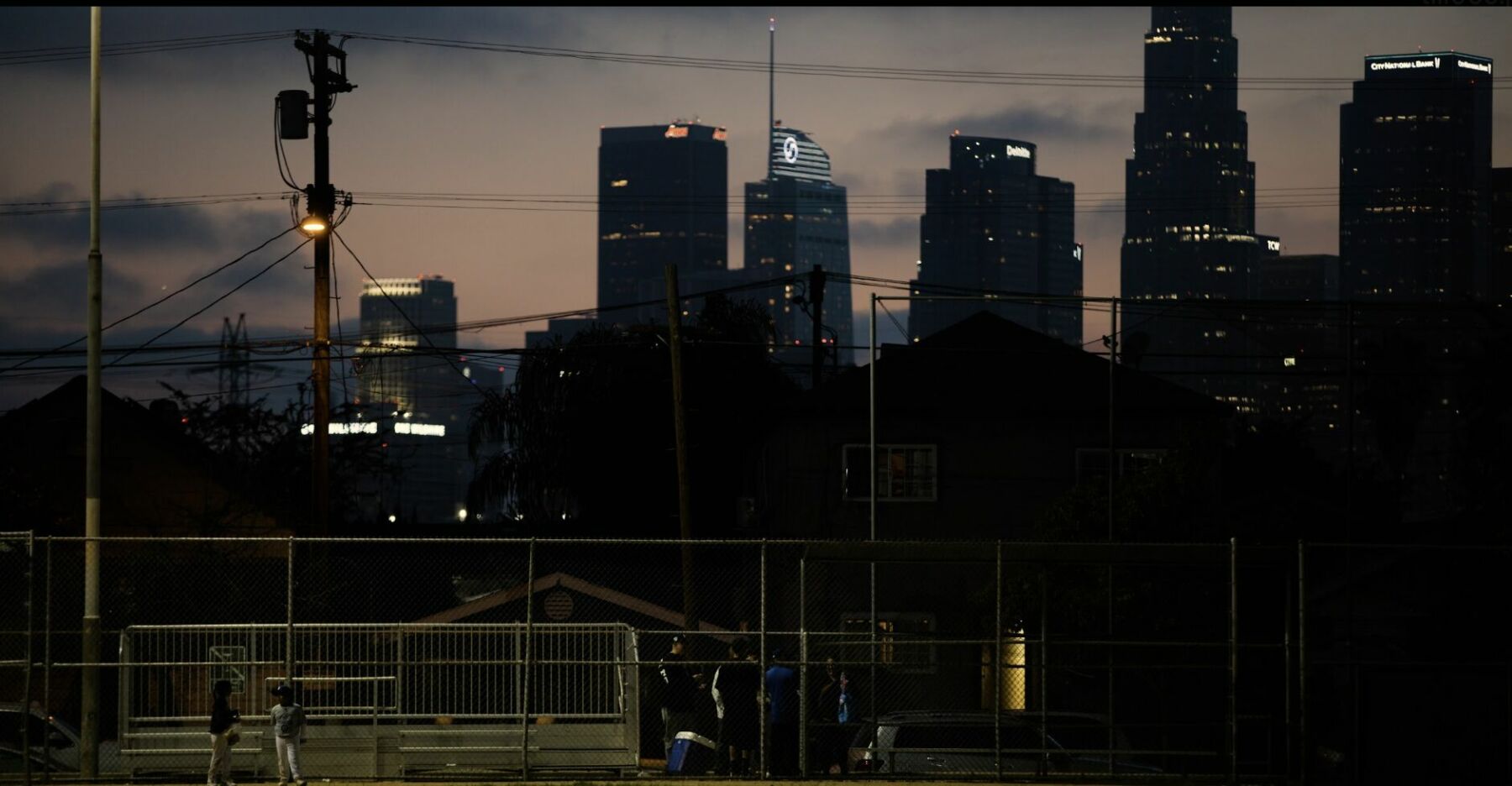
There’s a particular joy to walking through Braga. Its compact streets and layered architecture encourage a slower mode of attention, recalling the Situationist dérive, where wandering through urban space becomes a way of forming new relationships with thought itself, allowing ideas and observations to emerge gradually through one of life’s most basic and cathartic acts.
In a culture increasingly organised around optimisation, the dérive begins to feel quietly resistant. Rather than moving according to instruction or predetermined meaning, drifting through a city allows the mind to float loosely through time and space, guided instead by emotional intuition and a grounding appreciation for the simplicity of feeling human. In this sense, wandering becomes a subtle refusal of the systems of distraction and the endless mechanisms designed to condition human behaviour.
It’s through this lens that I begin tracing links between the simple function of drifting through a new city on foot and the political and moral discourse surrounding technological futures, a central theme throughout INDEX Biennial of Art and Technology 2026. As thoughts accumulate throughout the day, between venues, conversations and much walking, of course, I find myself wondering whether technology has now become inseparable from the experience of being human itself: a kind of posthuman fever dream tangled within a seemingly shatterproof capitalist system locked in a perpetual, frenzied campaign for human attention, and what that might ultimately mean for the near-future. Also pondering lunch.
INDEX unfolds across an eleven-day program throughout Braga, with venues and exhibition spaces dispersed across the city’s architectural landscape. Incepted and developed by Luis Fernandes (artistic direction) and Joel Valabrega (curator of the exhibition programme), this year’s edition feels genuinely invested in asking difficult questions rather than simply presenting technology as spectacle, approaching contemporary culture with the curiosity and critical intent necessary to imagine meaningful outcomes.
Leaving my hotel for the first time, my periphery fills with gothic ornamentation and long-standing architectural fragments woven into the urban landscape: aged stone walls, baroque church facades and castle-like structures defining much of the city’s visual identity. Moving through Braga often feels like occupying multiple historical moments simultaneously, where older systems of belief continue to linger beneath the surface of increasingly forward-facing contemporary life.
Once shaped by ecclesiastical power and religious spectacle, Braga now increasingly orients itself toward contemporary systems of technological innovation. The parallels between these two forms of power begin to feel almost suspiciously neat, though I’m still resisting the urge to flatten the city into an easy metaphor. Still, there’s something kinda bizarre about how many of the same existential questions continue to persist beneath both worlds, as if humanity’s search for meaning has simply migrated from religious doctrine toward the black-box mysticism of large language models.
Regardless of the spiritual debate, both religion and contemporary technological systems, alongside the immense influence of surrounding big tech companies, clearly embody their own forms of power, shaping behaviour, perception and the ways people attempt to navigate uncertainty and meaning. Rather fittingly, “Power” also happened to be the central theme of this year’s INDEX Biennial 2026.
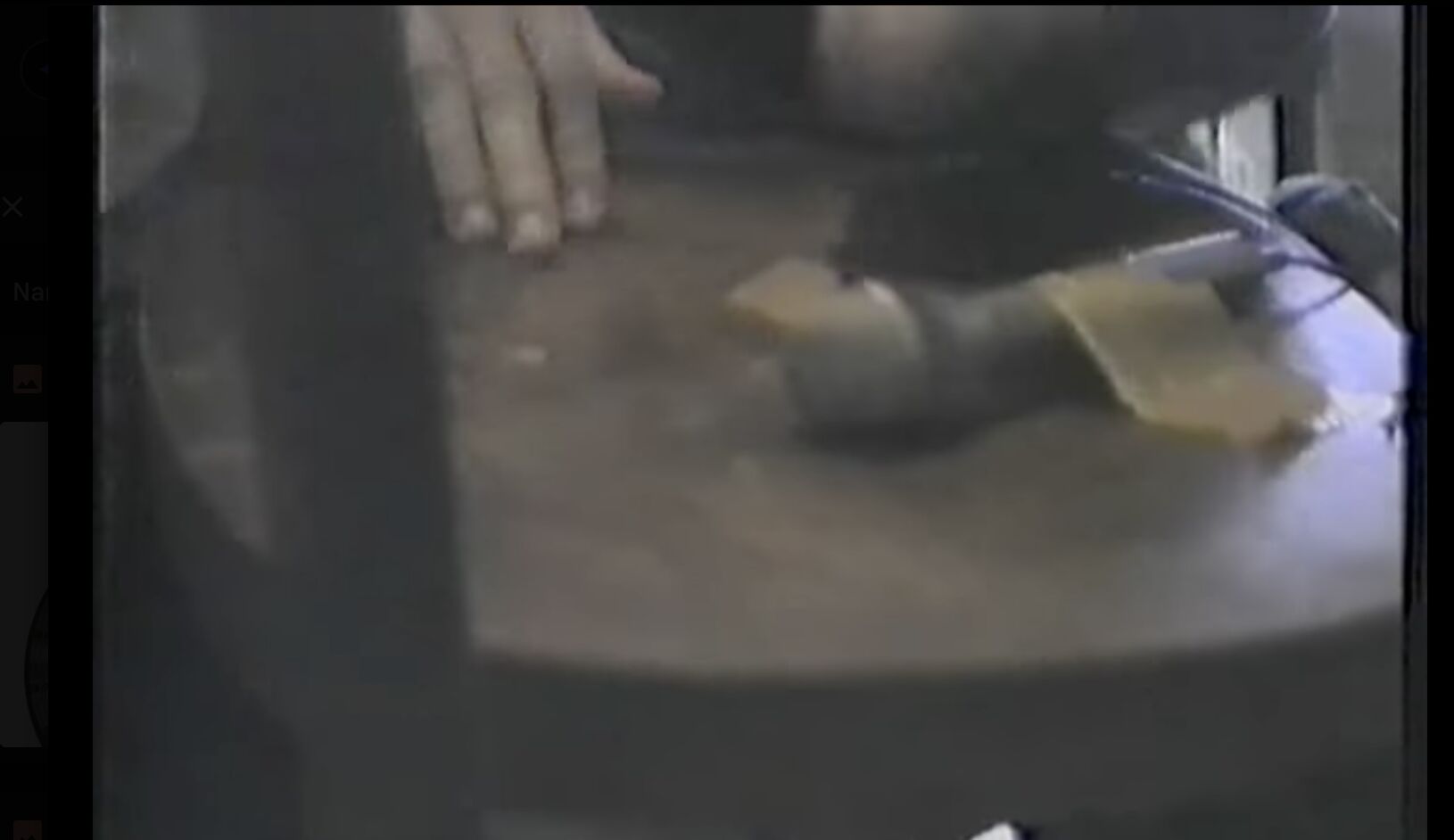
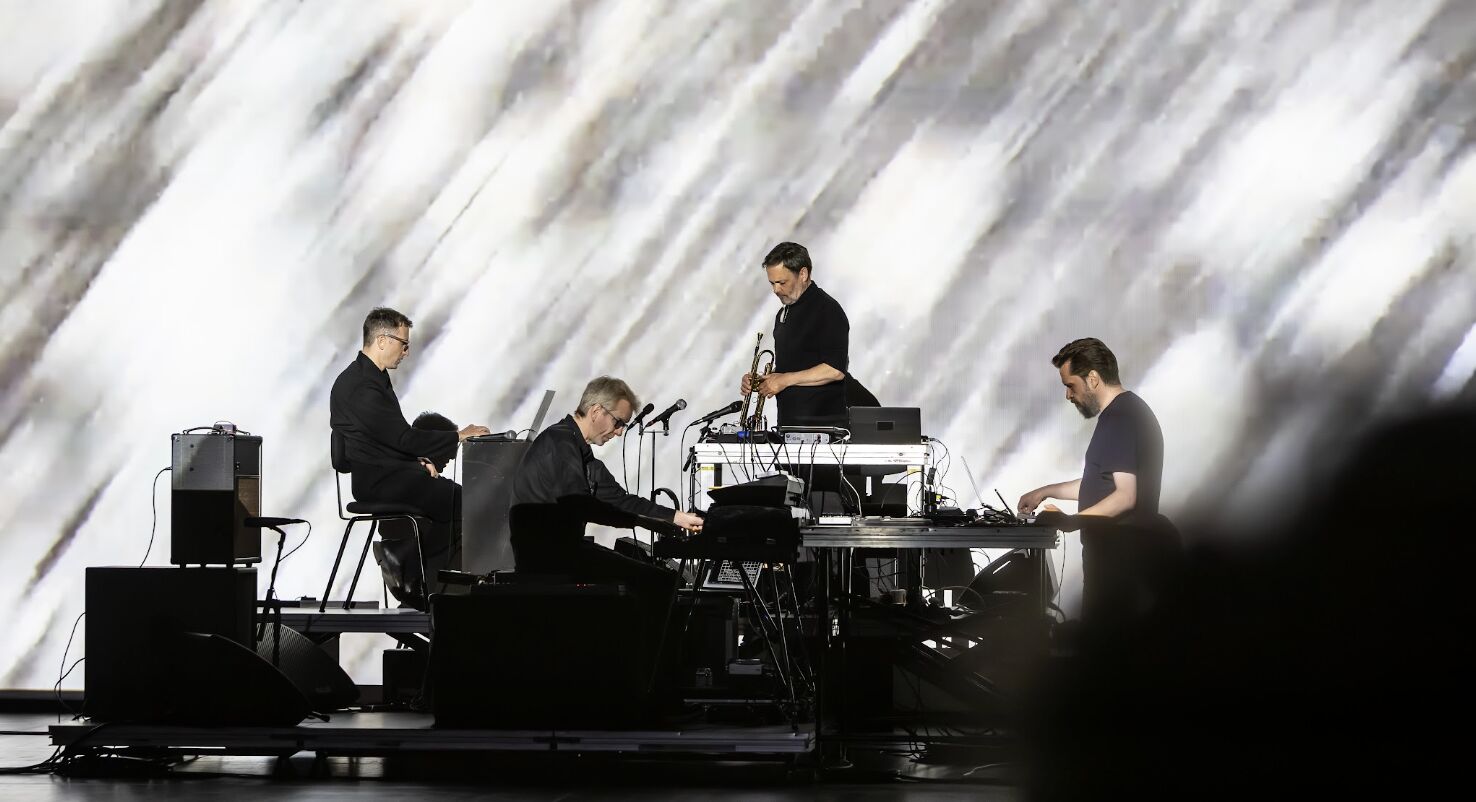
Perhaps the most immediate example of power throughout the festival emerged through a newly commissioned collaboration between Lawrence Abu Hamdan and the Norwegian post-jazz group Supersilent, produced alongside REWIRE Festival. Focused on Israeli attacks against journalists in Palestine, Supersilent’s ominous computer-led compositions were paired with surveillance footage and investigative material gathered through Earshot, Hamdan’s investigative platform examining violence against journalists, civilians and bystanders within contemporary warfare.
Reframing sound and surveillance as forms of evidence rather than simple documentation, the performance appeared to leave audiences in a state of quiet reflection and disorientation. Difficult to stomach, yet even harder to look away from, by all accounts, the work lingered long after it had ended. Then again, this is contemporary art after all, and if a work doesn’t occasionally leave you existentially rattled and psychologically headfucked, what’s the point?
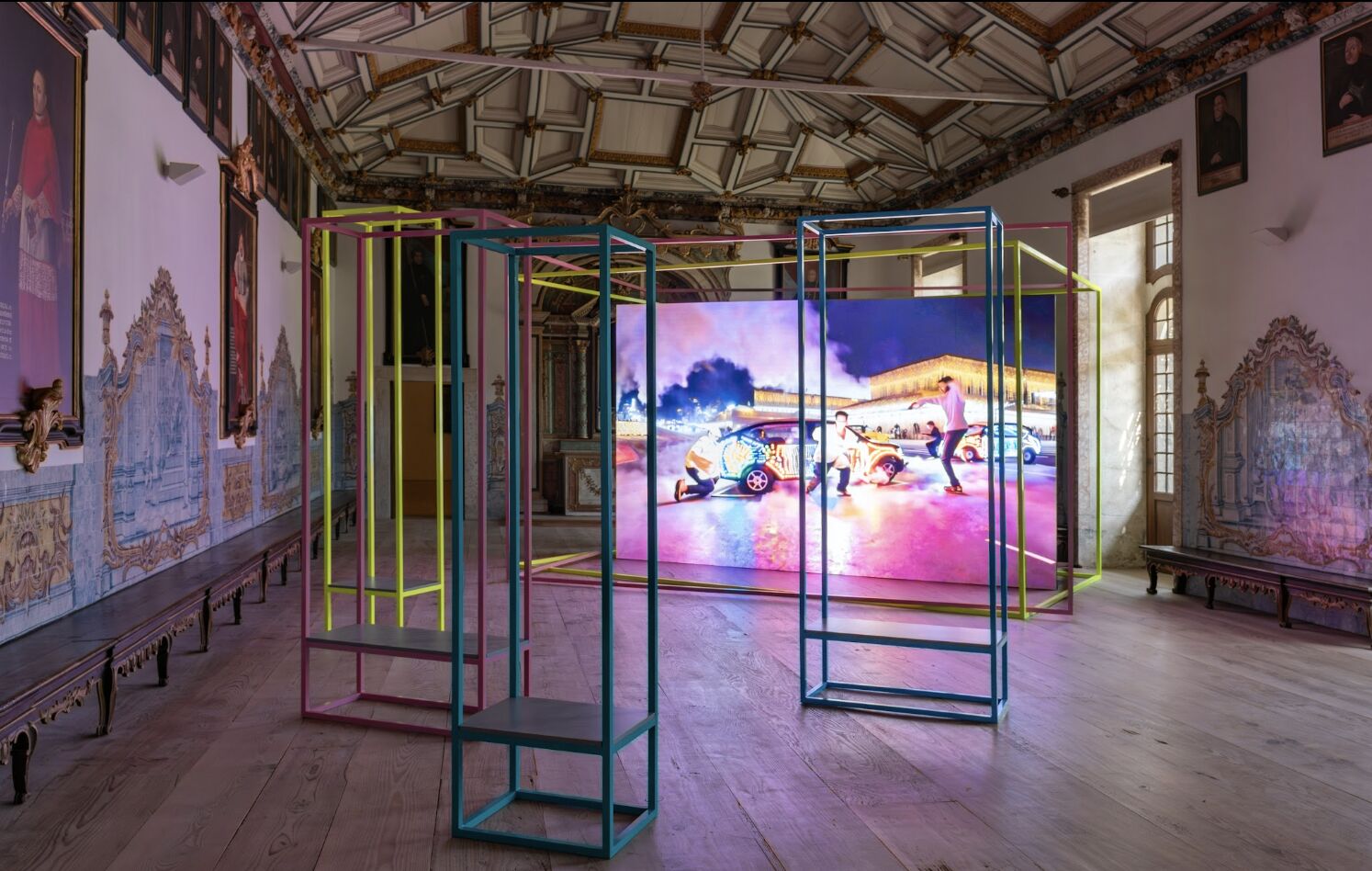
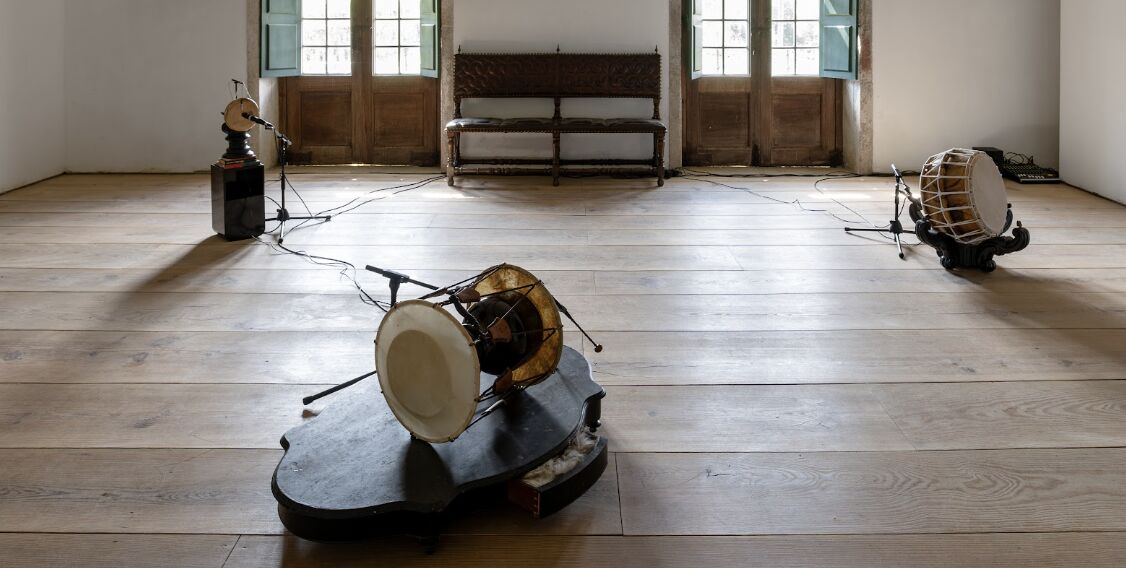
Speaking of contemporary art, one of the festival’s most memorable experiences unfolded within Mosteiro de Tibães, a monastery roughly twenty minutes outside Braga. Spread across corridors, cavernous rooms and hidden spaces beyond the monastery itself, the exhibition brought together artists working across a hybrid of new media disciplines. A percussive droning resonance from Mira M. Yang’s installation echoed through the corridors, where Korean pungmul percussion instruments activated by wand vibrators generated subtle buzzings and rhythmic pulses loaded with a broader dystopian tension.
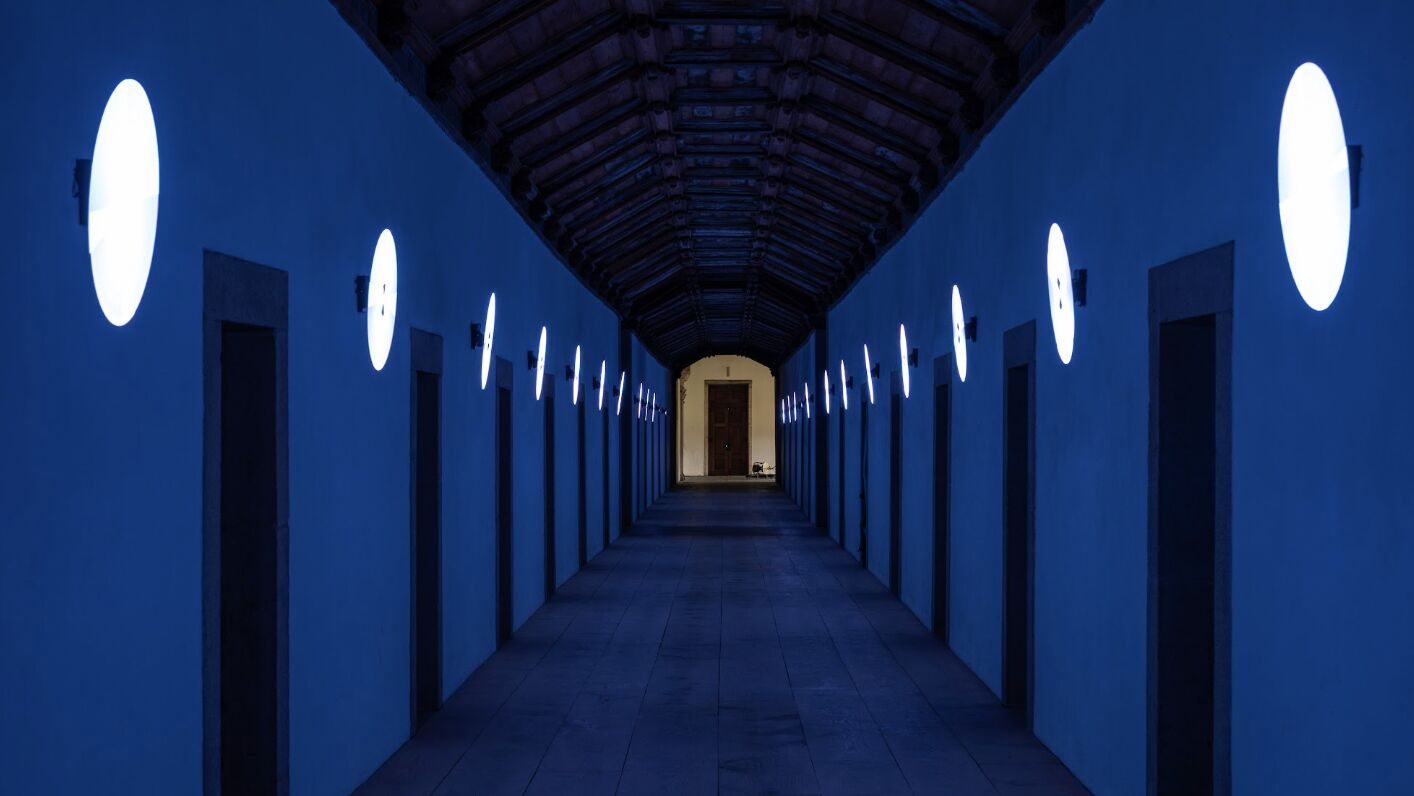
Further through the monastery, P. Staff’s Minimum World transformed the towering interiors into a hypnotic field of spinning holographic text fragments, producing a mildly disorientating diagnosis of the present itself. Reaching the end of the corridor then revealed Hito Steyerl’s Mechanical Kurds, whose monumental screen and overwhelming brightness generated an almost cinematic atmosphere inside the monastery. Combining research, fiction and geopolitical speculation surrounding AI systems, the work somehow remained playful and entertaining while carrying unmistakably political undertones throughout.
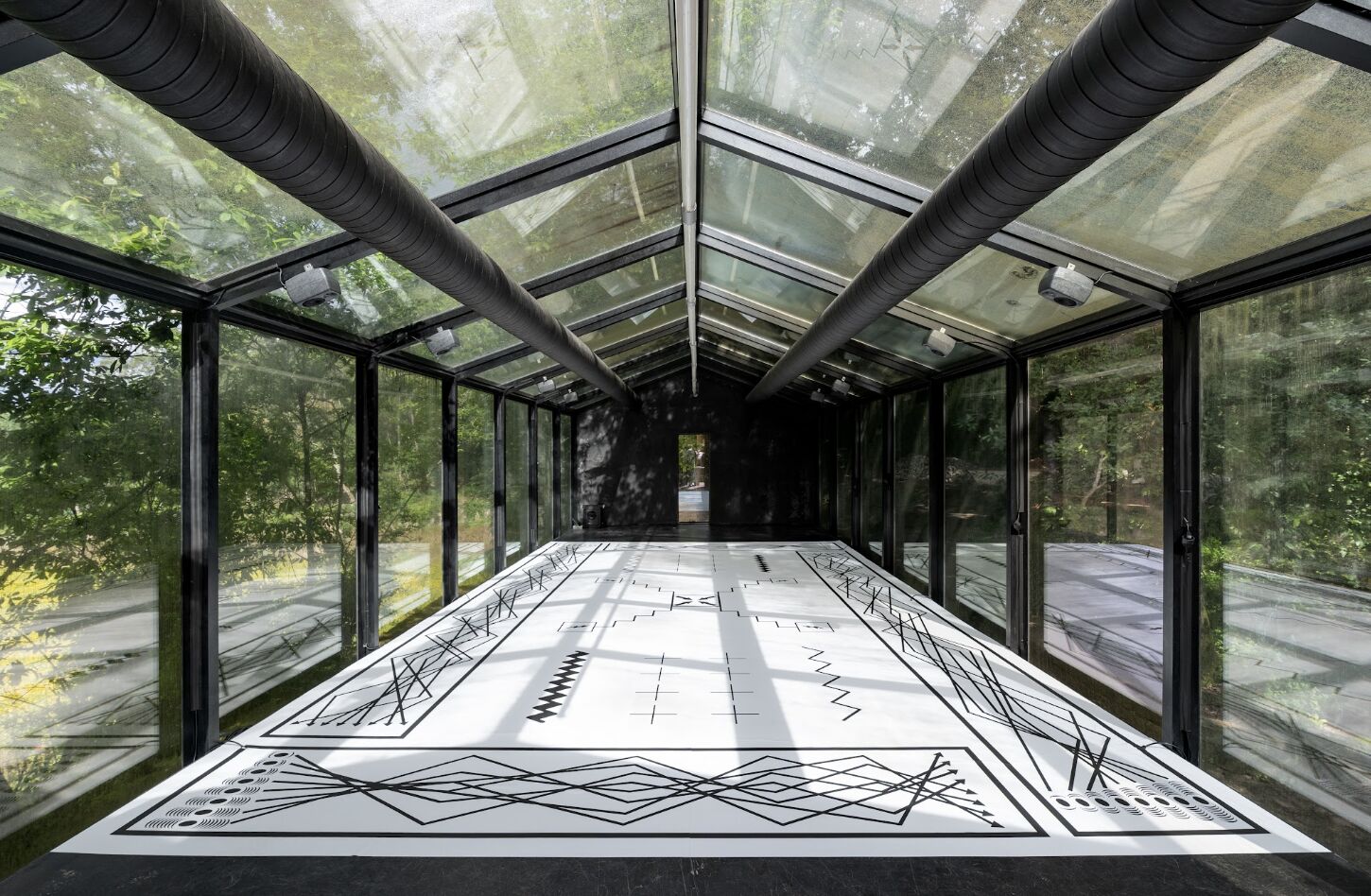
After this, the exhibition took one final turn as visitors were guided several hundred metres beyond the monastery towards a small glass-walled structure overlooking the surrounding landscape. Spread across the floor were Raven Chacon’s textile sound patterns, woven like visual scores assembled from waveforms and transmission patterns. Through the enormous windows, the view stretched all the way back towards Braga itself, while harsh buzzing drone compositions and manipulated sonic fragments travelled between rows of Genelec speakers suspended along the roof. At moments, these objects appeared to move directly through the stereo field as if flying overhead, creating an atmosphere that was mildly unnerving but also quite a finale to the exhibition itself.
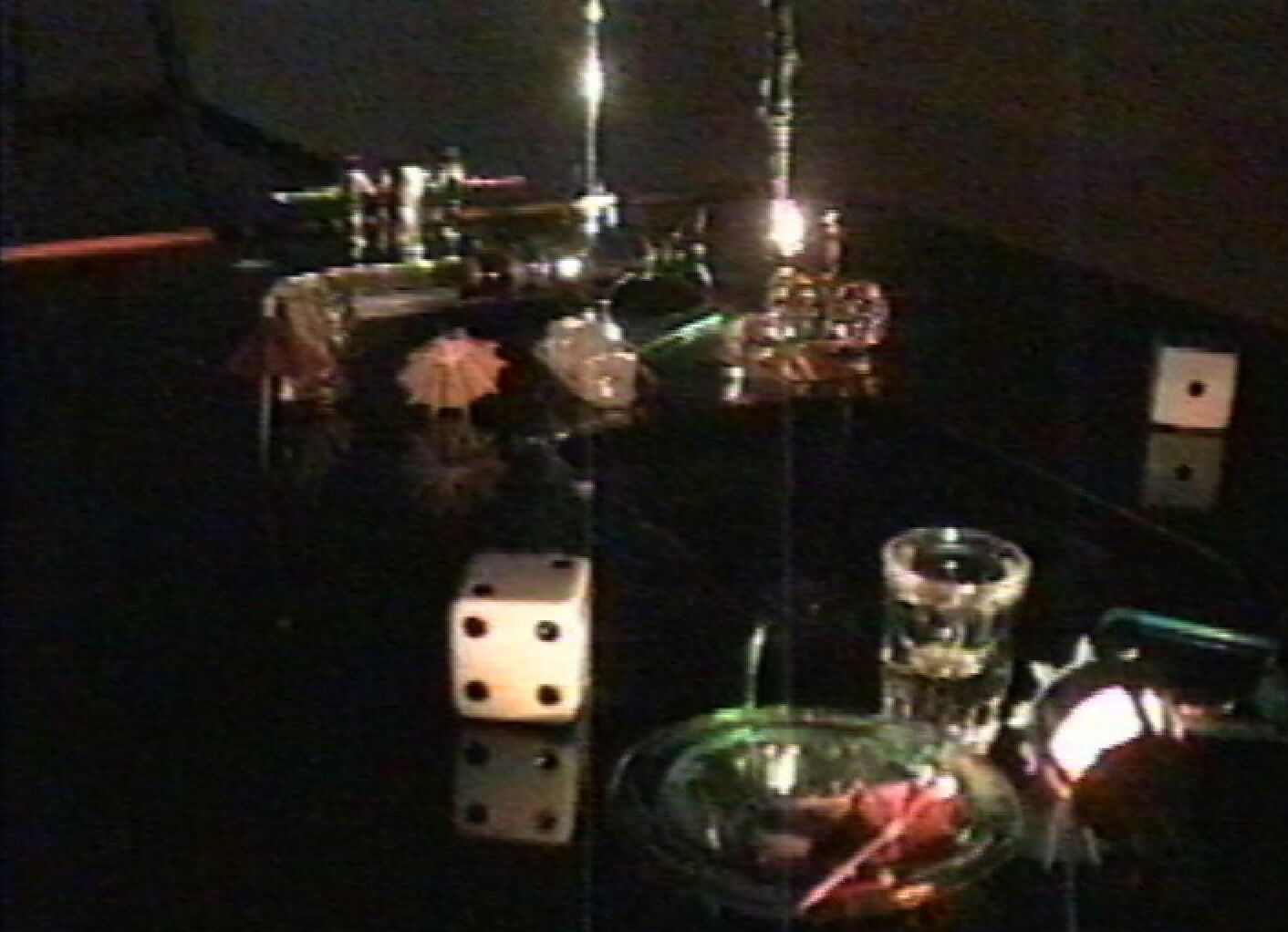
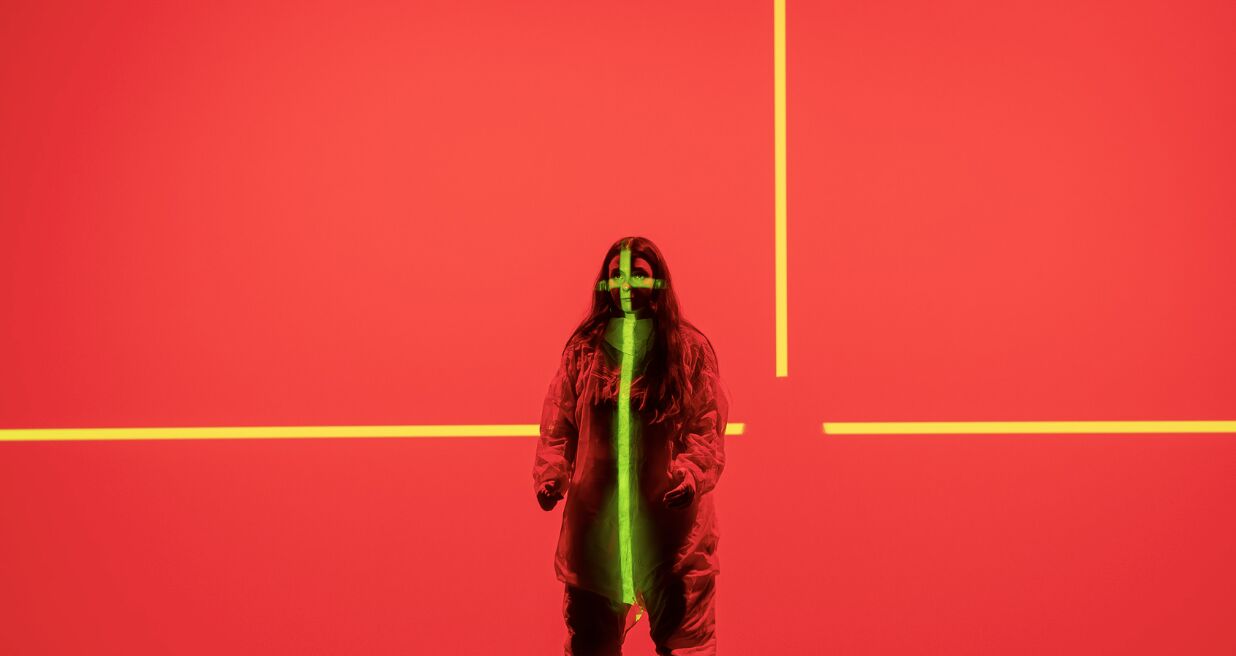
Later that evening, audiences reconvened at gnration as Jeffthielmusk® by ZABRA, the Portuguese duo operating under the speculative framework of the Centre for Post-Human Art Research, took shape live. Having missed their artist talk earlier in the week, I arrived without a great deal of context, though it wasn’t long before the performance’s playful technological dystopia began to emerge, slowly illuminating the humorously terrifying logic behind the piece’s title.
The performance unfolded with a compelling sense of pacing and conceptual tension, as the audience observed a subject seemingly selected for some speculative future existence. Yet beneath the absurdity lingered the suggestion that many of the utopian promises surrounding technological advancement, planetary escape and newly habitable worlds may ultimately offer far less than they initially appear to. The performance carried a fantastic sense of self-awareness and conviction, creating a sharp contrast against the barrage of talking emojis, hollow corporate futurism and laughing tech-bro caricatures unfolding throughout the work.
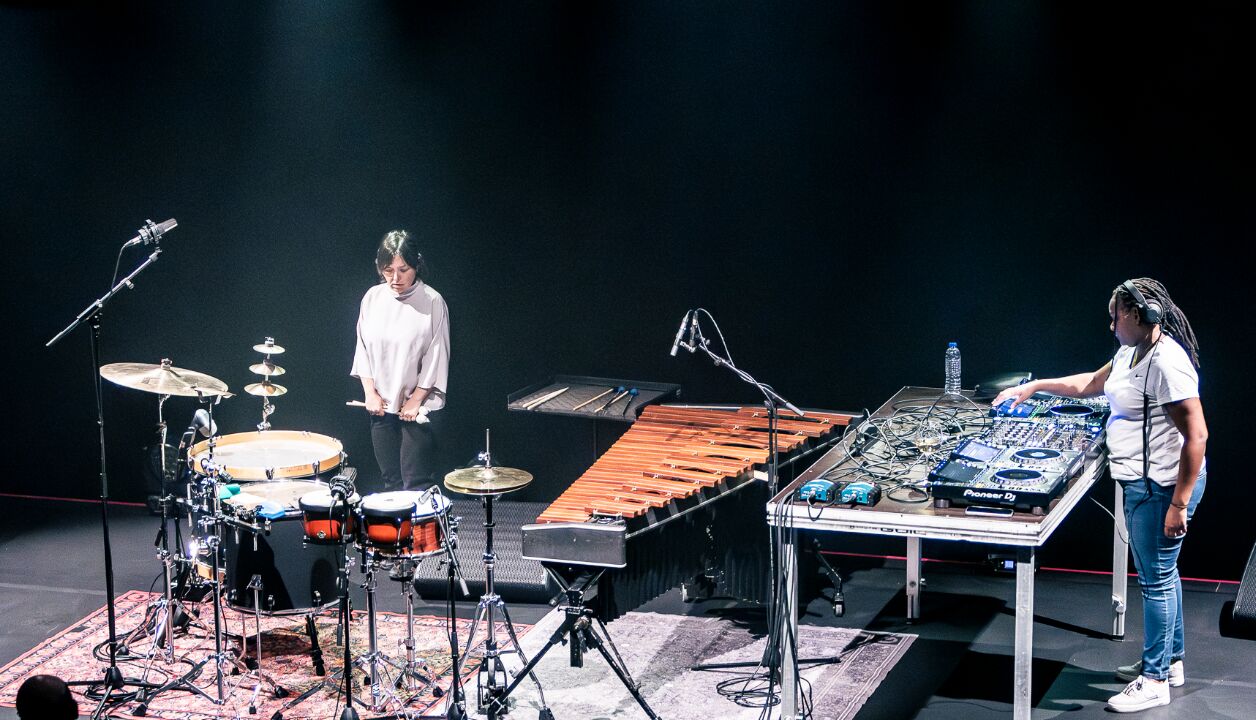
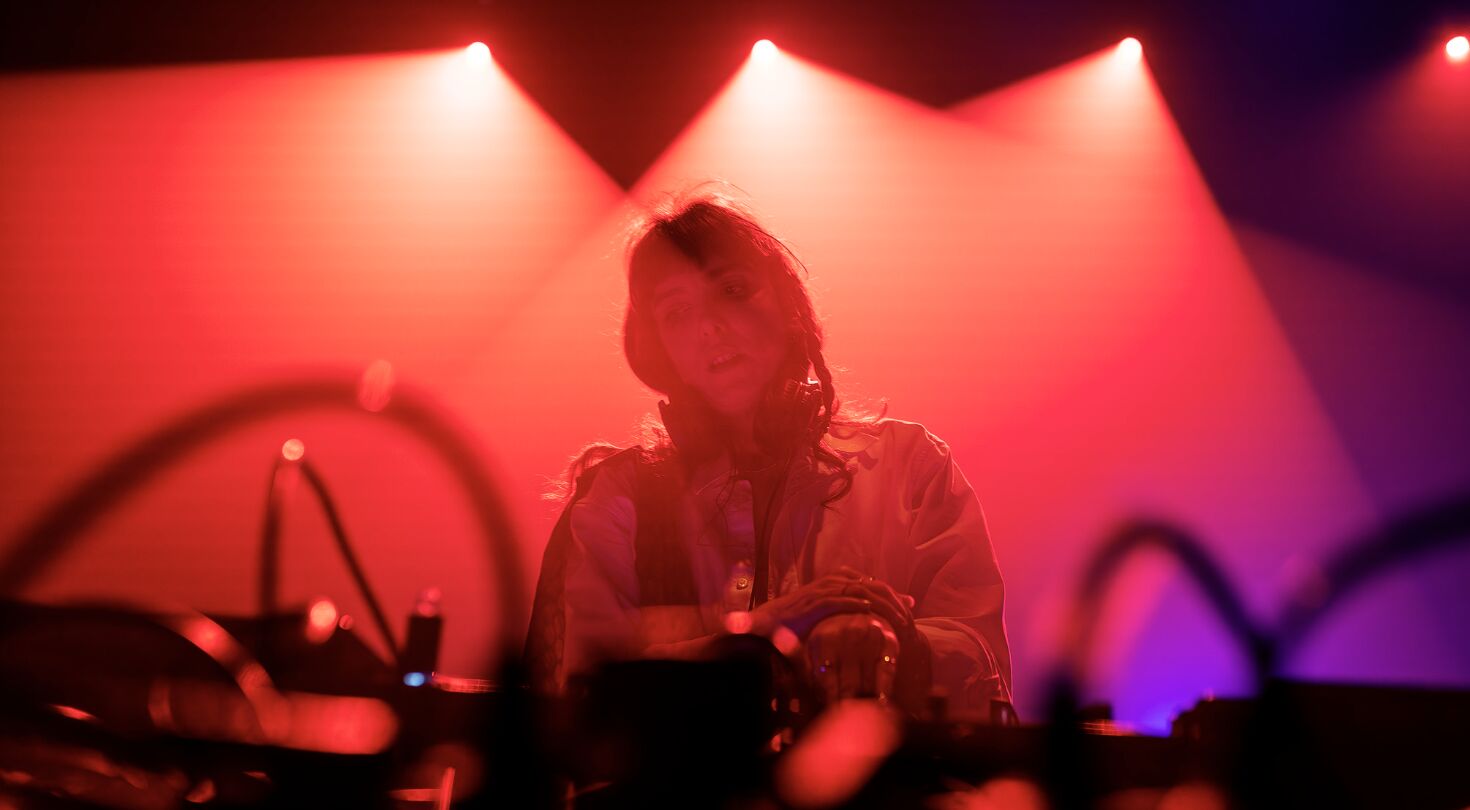
The following evening, the festival’s closing performances carried a noticeably different energy, and for the first time since arriving at INDEX Biennial 2026, I felt able to simply enjoy the rhythmic interplay unfolding between Nídia and Valentina Magaletti and the inventive sonic world of *Estradas*. There was something refreshingly casual about the exchange between both artists, laughing, looking back at one another for cues and navigating the performance in real time.
What drew me in further was trying to understand exactly how the performance functioned, with Nídia seemingly operating from CDJs while Magaletti layered syncopated, polyrhythmic percussion patterns drawing from a wide spectrum of rhythmic traditions and global percussion techniques. The result felt like a uniquely fluid relationship between DJ-oriented electronics and live instrumentation, a recipe that gradually pulled the audience into its own collective pulse.
Closing duties then fell to SUPA, whose slow-paced, delicately composed percussive club selections provided a welcome continuation of listening-oriented fun. The set recalled the kind of close-listening experience associated with Kia or NVST, favouring intricacy, texture and rhythmic nuance over maximalism or sheer tempo. Rather than demanding attention through force, the music unfolded patiently, allowing tiny sonic details and strangely off-centre grooves to gradually reveal themselves over time.
By the Biennal’s conclusion, I found myself thinking less about technological spectacle and more about movement itself. Earlier in the week, philosopher Yves Citton had opened one of the festival’s talks by reflecting on the simple forms of power embedded within the body itself: the ability to stand, walk and jump, and the importance of recontextualising how remarkable these acts actually are.
Returning to this idea throughout the festival, I found myself thinking about the simple privilege held within the act of walking from venue to venue each day, tracing thoughts through streets, conversations and sound. At a moment where many larger systems of power feel increasingly unstable or spiralling out of human control, there remains something grounding in the quieter forms of power we still hold individually and collectively: the ability to gather, listen, reflect and imagine new approaches to the technological conundrums awaiting in the time ahead.