Text by Meritxell Rosell
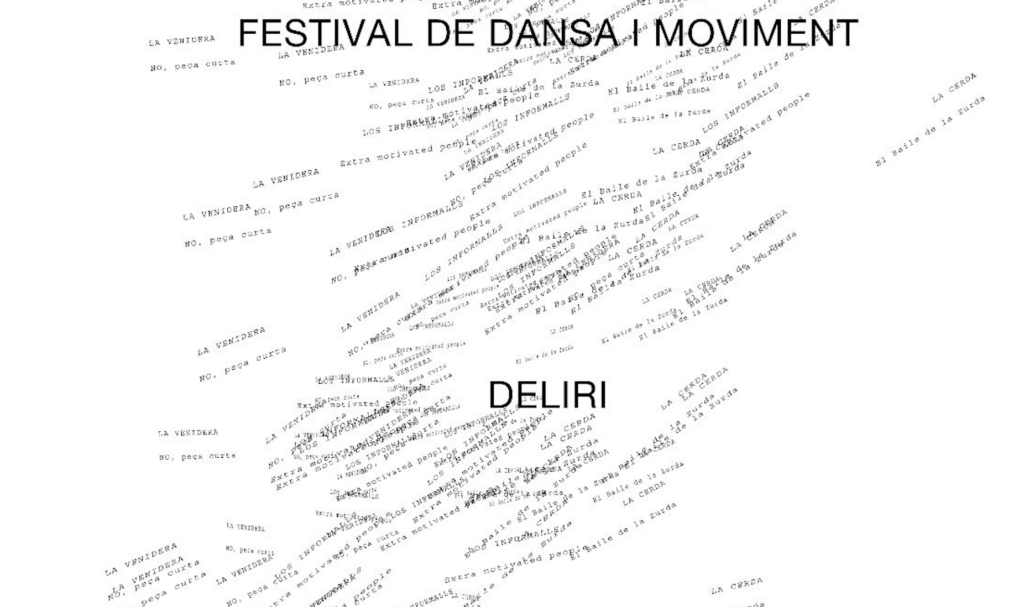
Vilanova i la Geltrú inaugurates a free dance and movement festival this Saturday, 17 October, turning one of its main squares into an open-air stage.
What happens when a public square stops being a place you cross on your way somewhere else? That is one of the leading questions behind DELIRI, Festival de dansa i moviment de Vilanova i la Geltrú (Barcelona, Spain), whose first edition takes place this Saturday, 17 October, at the Plaça de les Neus. Entry is free, and the programme is open to all ages and to what the organisers call diverse ways of being in [and interacting with] movement.
DELIRI is organised by the Vilanova-based cultural association CUERPA, founded by two young locals, Tina Martí and Albert Peker. Martí is a dancer and cultural producer working across music, dance, and hybrid stage projects, with experience at festivals such as Dansa Metropolitana, Sismògraf and La Mercè. Peker’s background is in cultural and audiovisual production, with credits including collaborations with Marcel·lí Antúnez Roca, MIRA Digital Arts Festival and Primavera Sound, as well as the production and visuals for Rosalía’s international listening parties for her album Lux.
Their stated aim is to activate dance not as a closed form, but as a force that shakes things up, blurring the lines between stage and street, artist and audience, the intimate and the collective. Beyond this first event, CUERPA state it aims to promote the movement arts in Vilanova i la Geltrú and build a network connecting creators, residents, institutions, schools and local groups.
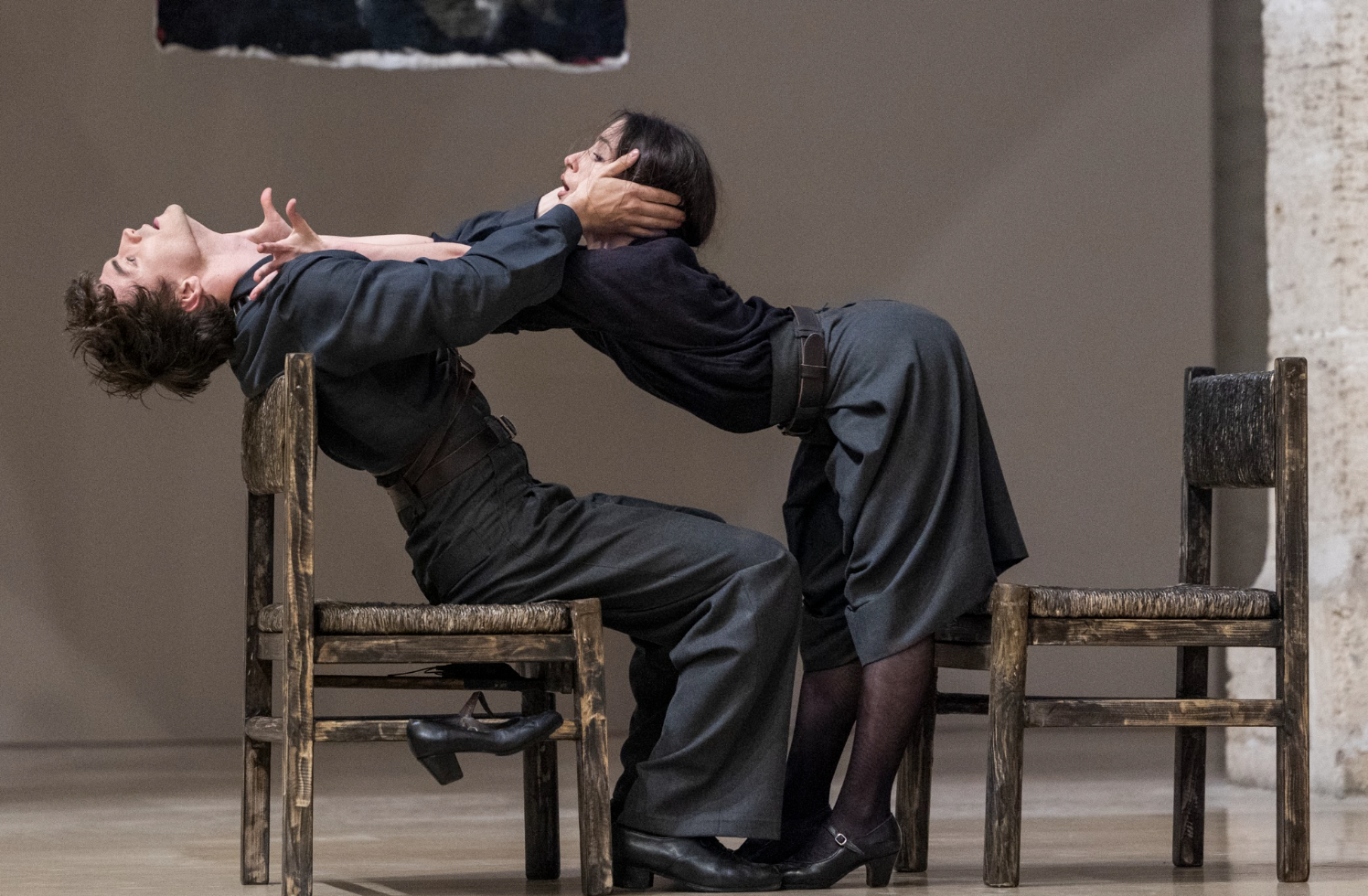
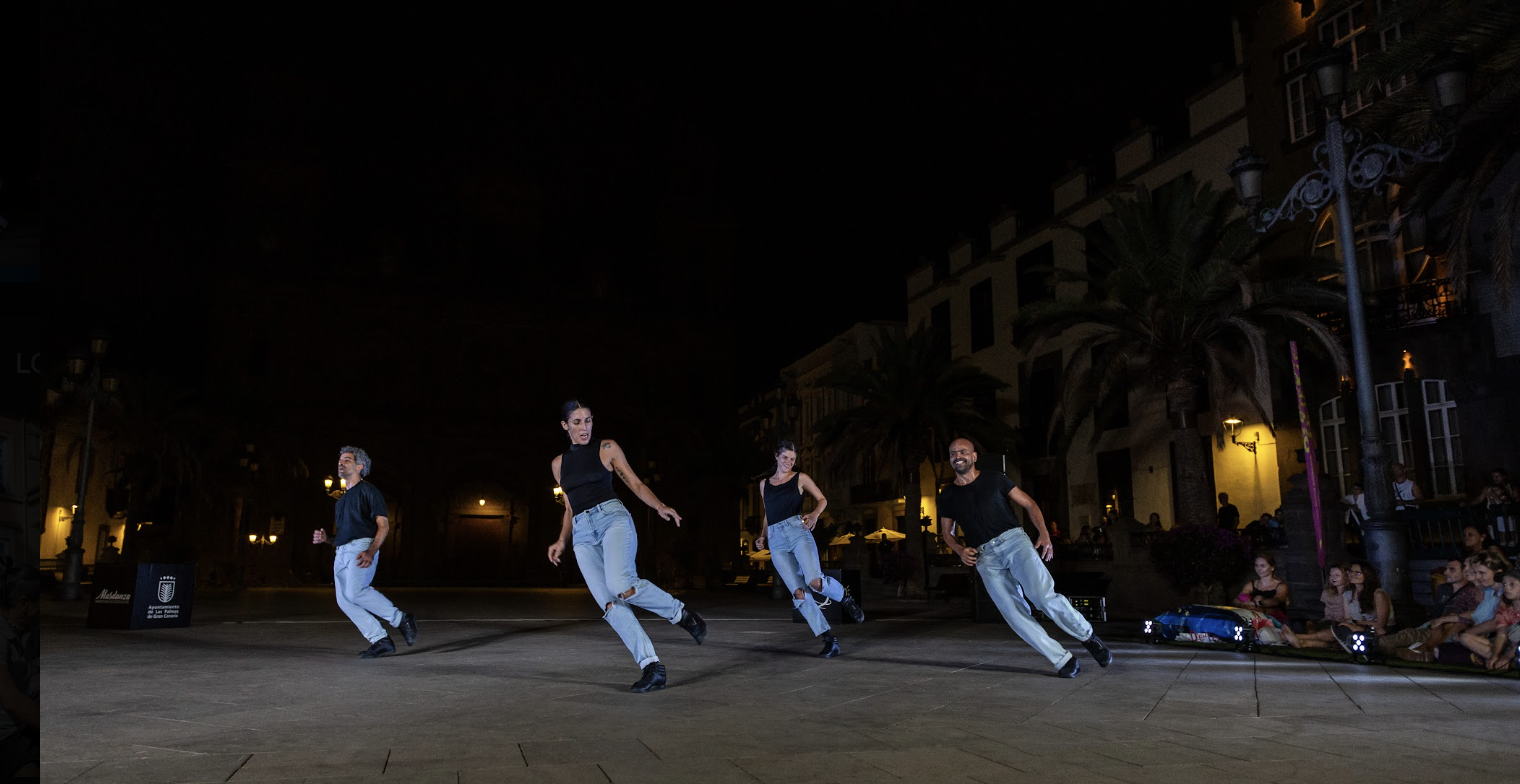
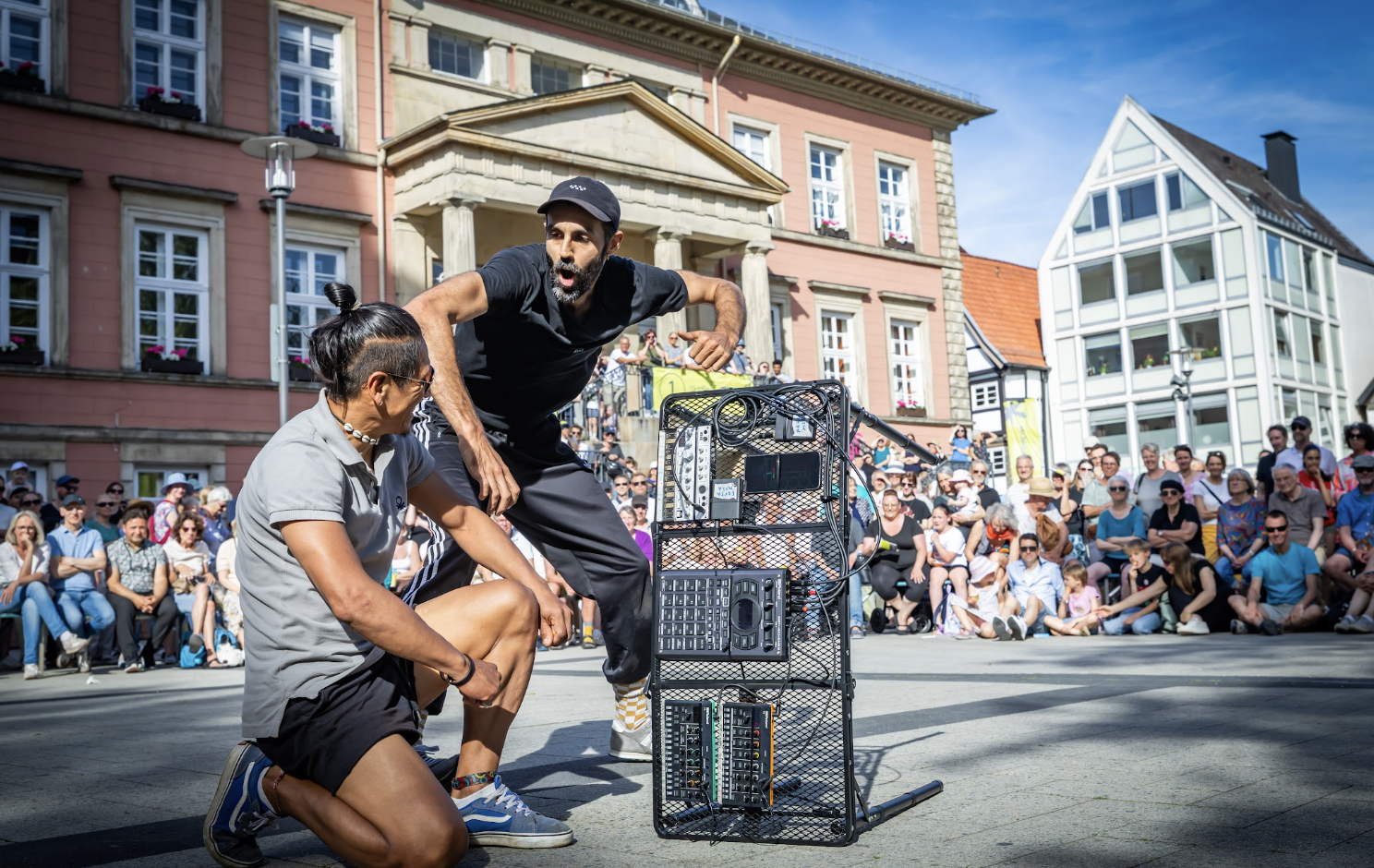
DELIRI’s programme includes three performances that enquire into different ways of understanding movement and public space. The day starts at 12:30pm with Extra Motivated People by Losinformalls. Two performers, far too motivated, decide to upset the normality of a square, and humour, chaos and improvisation do the rest, dragging the audience along. At 5:00pm, LaCerda presents El Baile de la Zurda, a fifteen-minute piece inspired by dance marathons and Latin American rhythms. It explores repetitive movement and how bodies relate to each other. Afterwards, the company runs a short workshop on the piece’s language, the “mantra”: sequences of feet and pelvis that travel through the space as a group, in time with the music. Closing at 5:30pm is NO, by La Venidera, the company of Irene Tena and Albert Hernández, a piece that blends Spanish dance and flamenco with a contemporary eye, taking negation as its starting point: absence, doubt, everything that disappears so something else can appear.
So why the street, why the city?
In The Right to the City, philosopher Henri Lefebvre argued that inhabitants should have a say in shaping urban life, rather than simply consuming the city as it is presented to them. Around the same time, journalist and urban critic Jane Jacobs, writing from the sidewalks of New York, saw the everyday life of a street as a kind of unplanned ballet, a choreography produced by people going about their lives. DELIRI brings dance and performance into this ordinary rhythm, asking what happens when a square becomes a place to gather, watch and move together. In this sense, the festival doesn’t treat the public as a passive audience; it invites them to participate and move alongside one of the companies, opening up the relationship between performer and spectator. This brings to mind historian and critic Claire Bishop’s examination of socially engaged and participatory art in Artificial Hells: Participatory Art and the Politics of Spectatorship, in which participants themselves can become a central artistic medium and material. Her work also raises questions about what participation means, and about the relationship between taking part in an artwork and simply being present as a spectator.
As the CUERPA team notes, DELIRI (delirium in Catalan) invites us to reimagine established forms, question the structures that order the body and thought, and open spaces where movement becomes shared delirium, moving beyond the predictable and imagining what does not yet have a form. The festival proposes dance as a tool for rethinking and transforming the way we inhabit the world. Streets, squares and everyday spaces cease to be predictable and become sensitive territories. Public space becomes a stage and the body a place of [infinite] possibility.