Text by Dom Stevenson
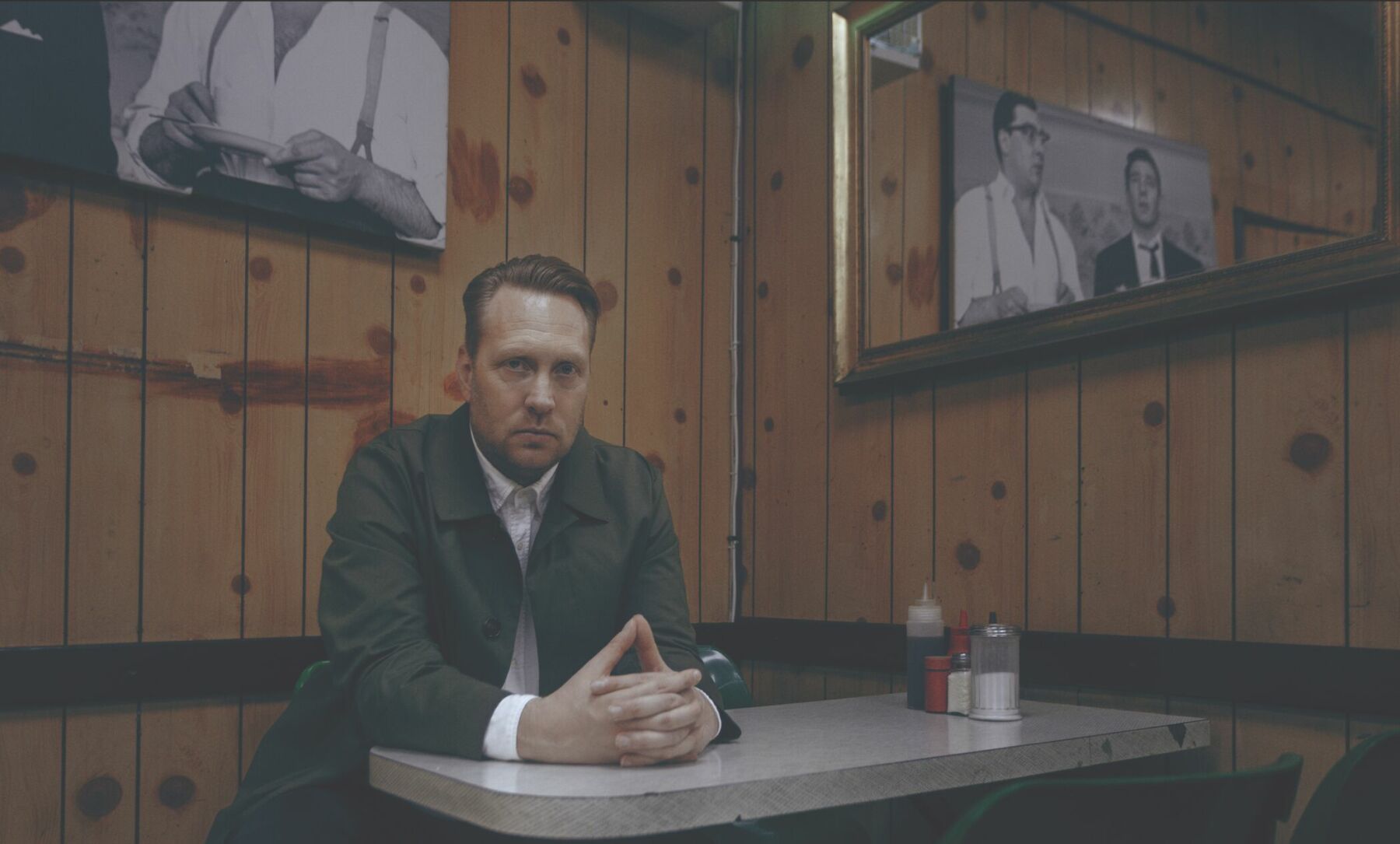
The next mixtape instalment comes from Vanity Productions, the alias of Danish experimental musician Christian Stadsgaard, whose work navigates the fragile space between melancholic melody, noise and electronic experimentation.
A central figure in Denmark’s experimental scene, Stadsgaard co-runs the influential Copenhagen imprint Posh Isolation, while projects such as Damien Dubrovnik and The Empire Line have helped shape the Nordic underground over the past decade.
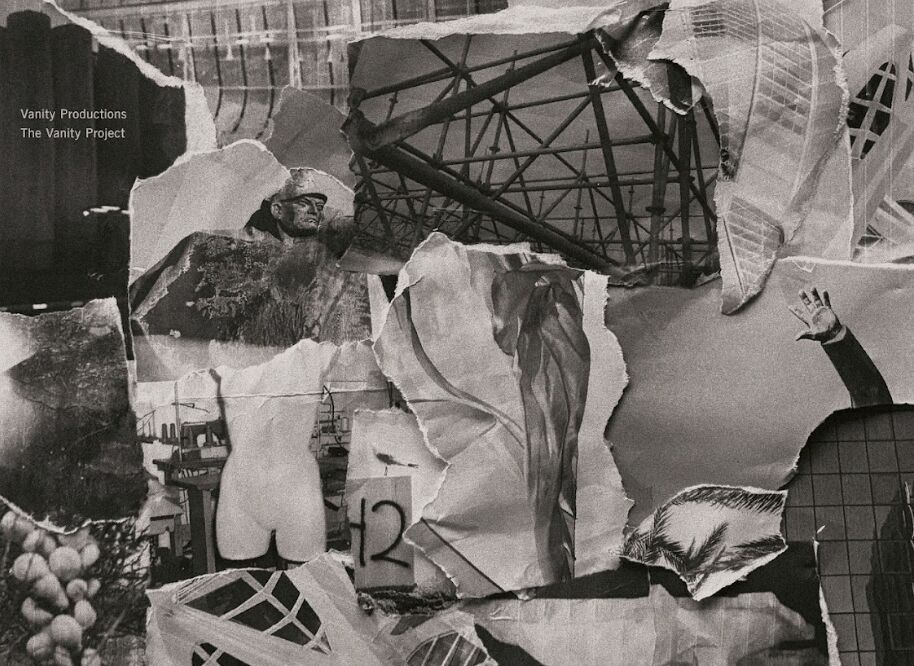
His forthcoming album, The Vanity Project, to be released April 10 via Northern Electronics – run by Varg2™ and Anthony Linell – draws inspiration from Robert Rauschenberg’s Hoarfrost series, with its fragile, suspended collages. Warped tape textures, found sounds, and bursts of noise electronics intertwine with drifting melodic fragments, producing a sound world that is dreamlike yet quietly unsettling. The compositions balance delicate melodic passages with darker tonal undercurrents, moving between intimacy and abrasion while exploring reflection, perspective, and what lies ahead.
The album also reconnects Stadsgaard with Merzbow, following their 2019 collaborative album Coastal Erosion, continuing a dialogue between noise extremity and emotional fragility that runs throughout the Vanity Productions project. This mixtape reflects some of the sound influences behind the artist’s new production.
Your new album, The Vanity Project, is out April 10th, and it sounds layered, refined, and conceptually intriguing. I hear a musical delicacy reminiscent of Gavin Bryars, William Basinski, and The Caretaker – though much more depraved – with brooding moments of harsh chaos, string-laden samples, and recurring motifs folding into one another. As the record progresses, I’m drawn deeper into its intricate sonic landscape. What brought you here, and what went into creating such a release – aside from navigating your own vanity amid Copenhagen’s cold winter countryside, of course?
I think I started to question my own life choices: Why had I not chosen a life in the suburbs, a regular job, a dog, and paddle tennis every Tuesday? Why did I build a life around doing a kind of music that has a very narrow reach and interest? Is it just some kind of long-extended puberty or some never-ending immaturity? I started working on the album about a year ago, and at the time, I had not found a sustainable solution to my job situation; we just announced the end of Posh Isolation, and basically everything was about to be redefined for me. So all roads were open, but it also made me wonder how I got to where I was. So it was a time for contemplation. I wanted that to be reflected in the music.
Musically, I am somewhat related to the three gentlemen you mention above, but on this album I was also, to a large degree, influenced by The Bomb Squad, the production team behind early Public Enemy. The raw, noisy, and a bit clumsy at times, but potent and effective aspects of that crew really appealed to me. So I wanted to do something similar, but move it away from militant hip-hop and into abstract electronics.
Robert Rauschenberg’s Hoarfrost (1970) layered translucent fabrics with transferred imagery, creating fragile, suspended collages that blur personal and collective memory – a spirit that seems to echo across this release, in its visual and sonic universe. How did Hoarfrost resonate with you, and in what ways did it shape or animate the sounds you were creating?
Well, exactly like you just mentioned: Suspended collages that blur personal and collective memory. I wanted to play with connotations in music, expectations and genres, in an infinite semiosis, all in a sea of meanings and put it together like paint on a canvas, wash it, distort it, saturate it, throw in dirt, and don’t be gentle. I wanted it to be fragile and elegant on one side, but dirty and distorted on the other. In general, I consider Rauschenberg an influence on what I do musically, especially when I work in the more collage end of things. And the new album is, to a large degree, a collage.
Collaboration is central to this release. When shaping the mix around the album’s influences, what guided your selections – and how do those choices reflect the way you listen and develop ideas in your own work?
The whole album is a patchwork of sounds. A lot of people sent me different material that I could use, other stuff I recorded during studio sessions with friends, other stuff I ripped off from YouTube tutorials or just plain sampled, and other material comes from recordings in the street, on the train, or wherever I was. In a way, my phone became the main instrument, as everything was collected via that device in different ways. I gave three people features on the album because their contributions became dominant on each of the tracks I was working on, but the list of contributing musicians is much longer.
As a composer, it is very easy just to make use of your usual palette of sounds and techniques and essentially repeat or refine what you have already been doing. Involving other people can help you break your own patterns and bring you to places you had not imagined on your own. Initially, I was influenced by Merzbow’s record Pia_Noise with pianist Nicolas Horvath, where they work with spas piano playing and very subtle mixed noise. I am very well aware that ‘The Vanity Project’ sounds very different from their album, but that’s where it musically started for me.