Text by Daniela Silva
We live in a moment when the infrastructure of our lives is being rewritten by code, sensors, and systems that most of us do not see. Artificial intelligence sorts, predicts, and governs; quantum computing promises to fracture our notions of logic; biotechnology engineers life itself; space exploration redraws the horizon of human possibility. These transformations are not abstract – they are already structuring economies, politics, and the intimate dimensions of everyday life. And in this critical juncture, it is artists who insist on another path: one where technology is not the sole domain of corporations and laboratories, but a terrain of imagination, critique, and possibility.
The British Council’s Why Technology Needs Artists captures this with rare clarity, not as a catalogue of artworks but as a cross-continental demonstration of what happens when artists intervene in the architectures of technological change. The forty voices it gathers – from robotic collaborations to data trusts, from biodiversity archives to speculative quantum experiments – are not documenting the future from the outside. They are building it from within.
It is time to move past the tired idea of artists as commentators. That role, passive and reflective, belongs to a world where technology could still be held at arm’s length. But the systems that now shape us are not at a distance; they are in our phones, our hospitals, our elections, our infrastructures. In such a landscape, the artist cannot merely mirror. The artist must prototype, disrupt, and re-code. The artist is not an accessory to technology; the artist is its co-author.
Holly Herndon and Mat Dryhurst exemplify this urgency. Their Data Trust Experiment was not a metaphor but a system – a proposal that communities should govern how their collective voices are used to train AI. The project reframes the very grammar of machine learning, shifting ownership from corporations to collectives. This is not commentary; this is infrastructural imagination. It serves as a reminder that datasets are not neutral and that governance itself is an artistic medium.
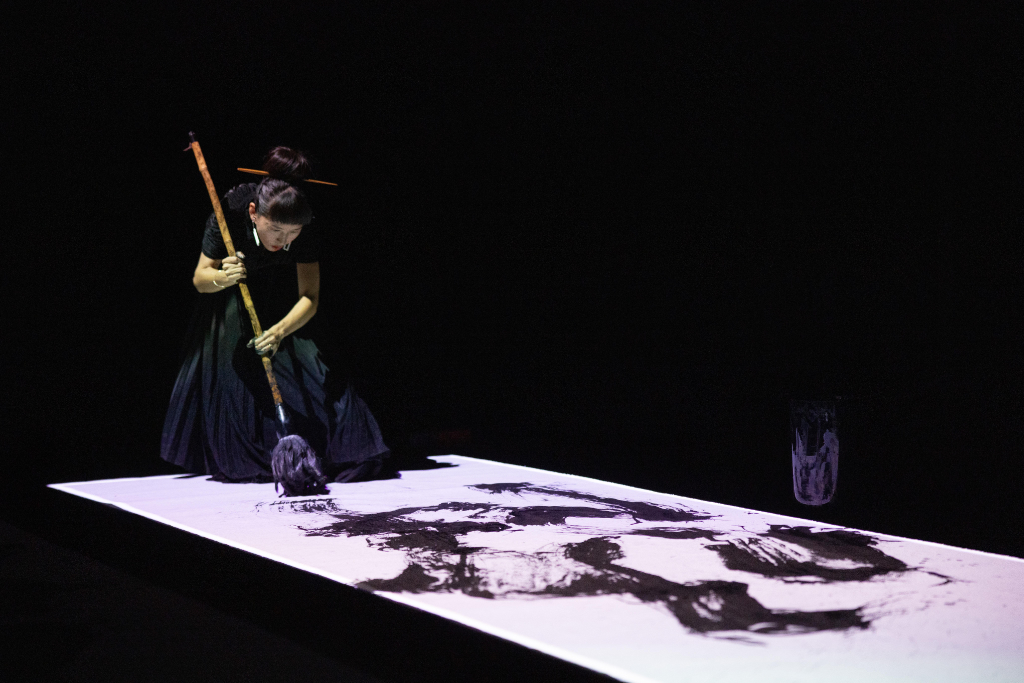
Sougwen Chung’s collaborations with robotic systems show another way forward. A robot arm is not presented as spectacle but as partner, as an improviser in the act of drawing. Here, AI does not replace human intelligence but extends it. The work stages a refusal of automation-as-destiny and asserts instead that co-creation is the radical alternative. In every mark traced on paper, the question of how humans and machines will live together is rehearsed and reimagined.
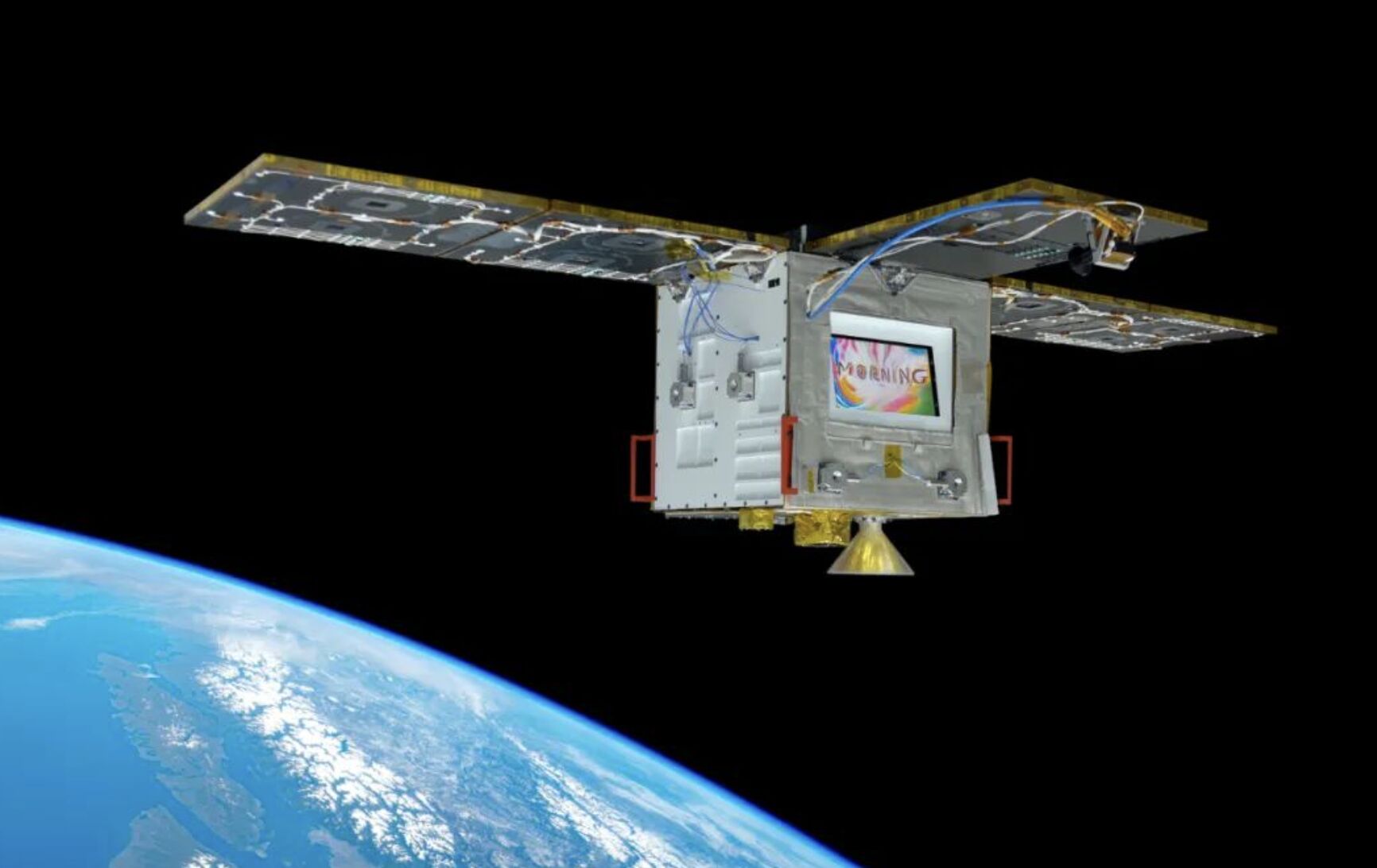
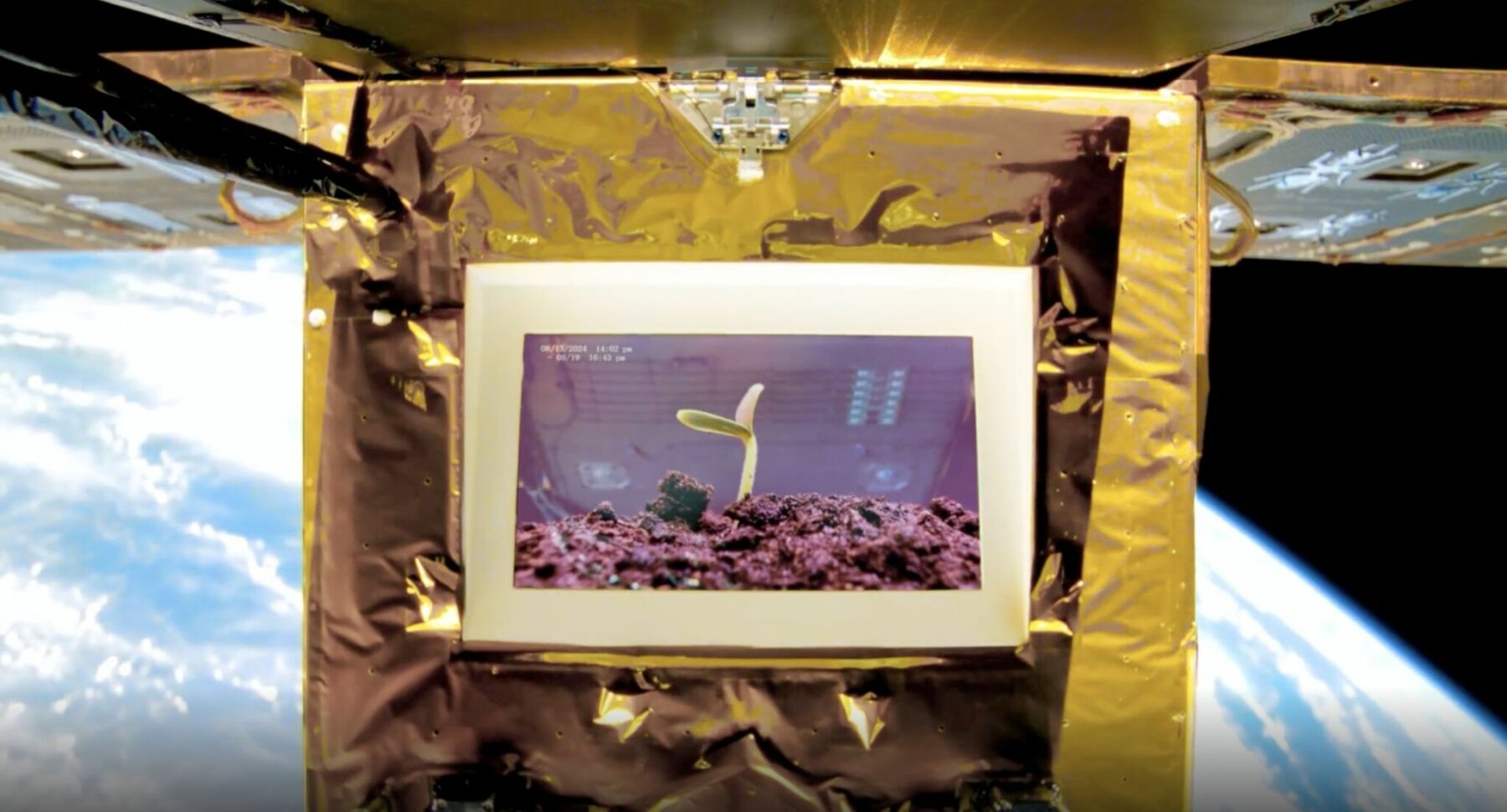
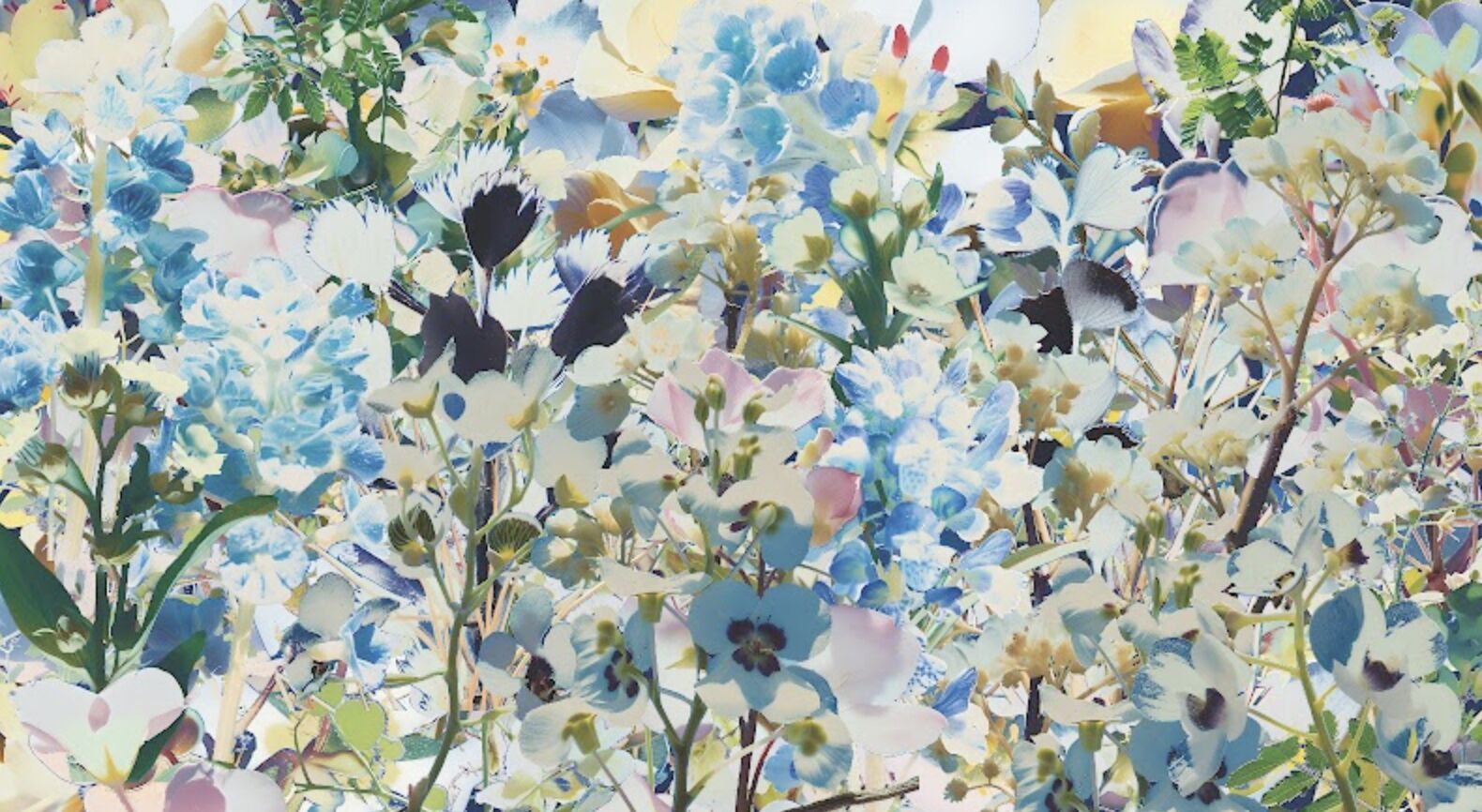
What these artists are exposing is the poverty of the corporate imagination. Left to market logic, technologies calcify into tools of extraction, efficiency, and surveillance. They reinforce the exclusions of the present rather than inventing alternatives. But artists expose the blind spots of innovation. Linda Dounia Rebeiz confronts the erasure of African ecologies from AI training sets, insisting that what machines learn to see reflects who has the power to decide what counts as knowledge. Xu Bing launches satellites that refuse to serve surveillance or geopolitics, turning space into a canvas for collective imagination. In each case, the artist intervenes where technology has forgotten the human, and insists on reintroducing it.
This is not ornamental; it is essential. History has already shown us that artists do not merely react to technology – they expand it. The pioneers of electronic music did not wait for tools to arrive; they bent circuits until they produced new sounds. Today, artists hack algorithms, quantum processes, and biomaterials in the same spirit. The stakes, however, are immeasurably higher. The systems at play now are not just media; they are infrastructures of governance, economies of scale, engines of climate futures. In this context, the artistic experiment becomes urgent research and development, shaping what forms of life these technologies will enable or foreclose.
Look inside a quantum computing lab, and you may find murals, installations, and speculative design. Google’s Quantum AI Artists in Residence programme reveals that art is not decoration but atmosphere – an intervention that changes how scientists think, communicate, and imagine. Scientists themselves admit that the presence of artists expands their curiosity, making visible possibilities otherwise buried in equations. The LAS Art Foundation’s exhibitions show the same: Laure Prouvost’s work with quantum noise did not just aestheticise complexity; it forced scientists to reckon with new conceptual horizons. When art enters science, the terrain itself shifts. Research becomes not just technical but cultural.
What threads these interventions together is a politics of diversity and resilience. Technologies that ignore multiplicity are brittle; they fail the moment they encounter lives that do not conform to their assumptions. Artists force technologies to open to difference. Anna Landre reframes disability not as a limitation but as an innovation driver, proposing accessibility as a frontier of design. Danielle Brathwaite-Shirley creates digital spaces that hold trans and Black histories, asserting that future infrastructures must carry more than the dominant narratives of the present. These interventions are not marginal footnotes; they are blueprints for technologies capable of surviving, adapting, and flourishing in a plural world.
And perhaps above all, artists insist on the possibility of hope. This does not mean fantasies of perfect futures. It means proposals that destabilise inevitability. Libby Heaney looks to quantum computing not as a commercial race but as a chance to imagine logics that are non-binary, fluid, and indeterminate. Iris Long and Gary Zhexi Zhang describe art and technology as free electrons, building bridges in a world increasingly defined by boundaries. These are not consolations; they are provocations. They declare that futures can be otherwise, that imagination itself is infrastructure, that we are not condemned to live inside the architectures corporations design for us.
This is why the conversation must change. Artists are not here to soften the hard edges of innovation, nor to decorate its outputs. They are not cultural capital to be sprinkled on research pipelines. They are already embedded in the very process of technological world-building. The question is not whether to “include” artists, but whether we are willing to acknowledge that the futures we will inhabit are already being shaped by their interventions.
The stakes are high. AI is reorganising economies, quantum computing will challenge the foundations of security and logic, biotechnology is rewriting definitions of life, and climate technologies will determine survival itself. If these infrastructures are built without artists, they will carry only the logics of profit, efficiency, and control. If they are built with artists, they may carry imagination, equity, and care. The difference is not aesthetic. It is existential.
The launch of Why technology needs artists should therefore not be read as a symbolic gesture, but as a dispatch from the frontlines. It documents an epochal shift: that artists are no longer standing at the margins of technological change, but are embedded within it, pulling its trajectories into new shapes. Across continents, across disciplines, they are re-coding the operating systems of our futures.
And so the call is clear: in the face of technologies that claim inevitability, we must amplify those who insist on possibility. Artists are not mirrors of our present; they are engines of our futures. They remind us that imagination is not decoration but infrastructure, that speculation is not distraction but strategy. In the uncertain years ahead, the most radical act is not prediction but creation.
Artists do not ask for permission to reshape technology. They are already doing it. And if society dares to follow their lead, the futures that emerge may yet be ones worth inhabiting.