Text by Daniela Silva
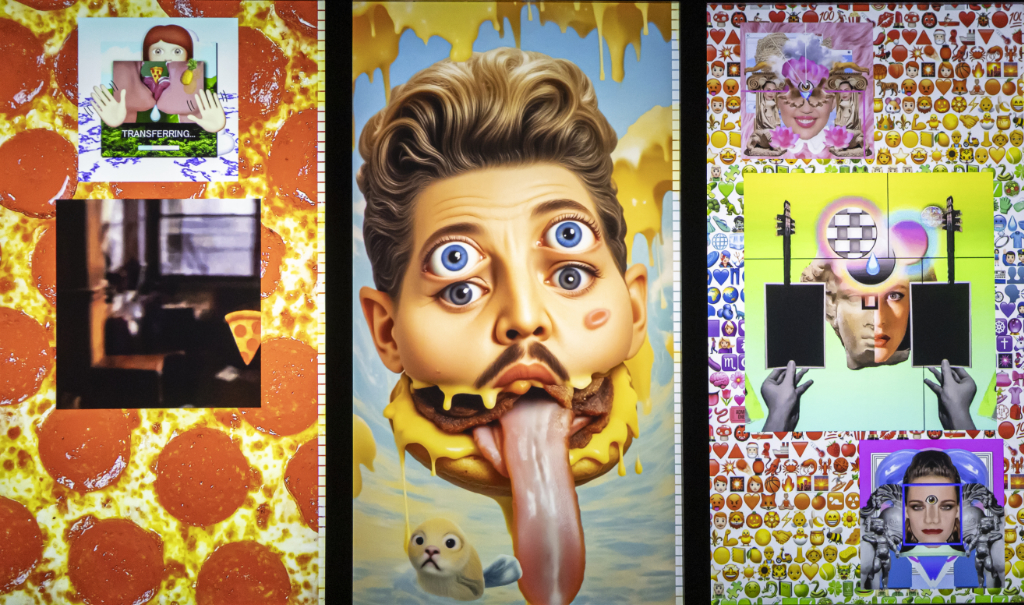
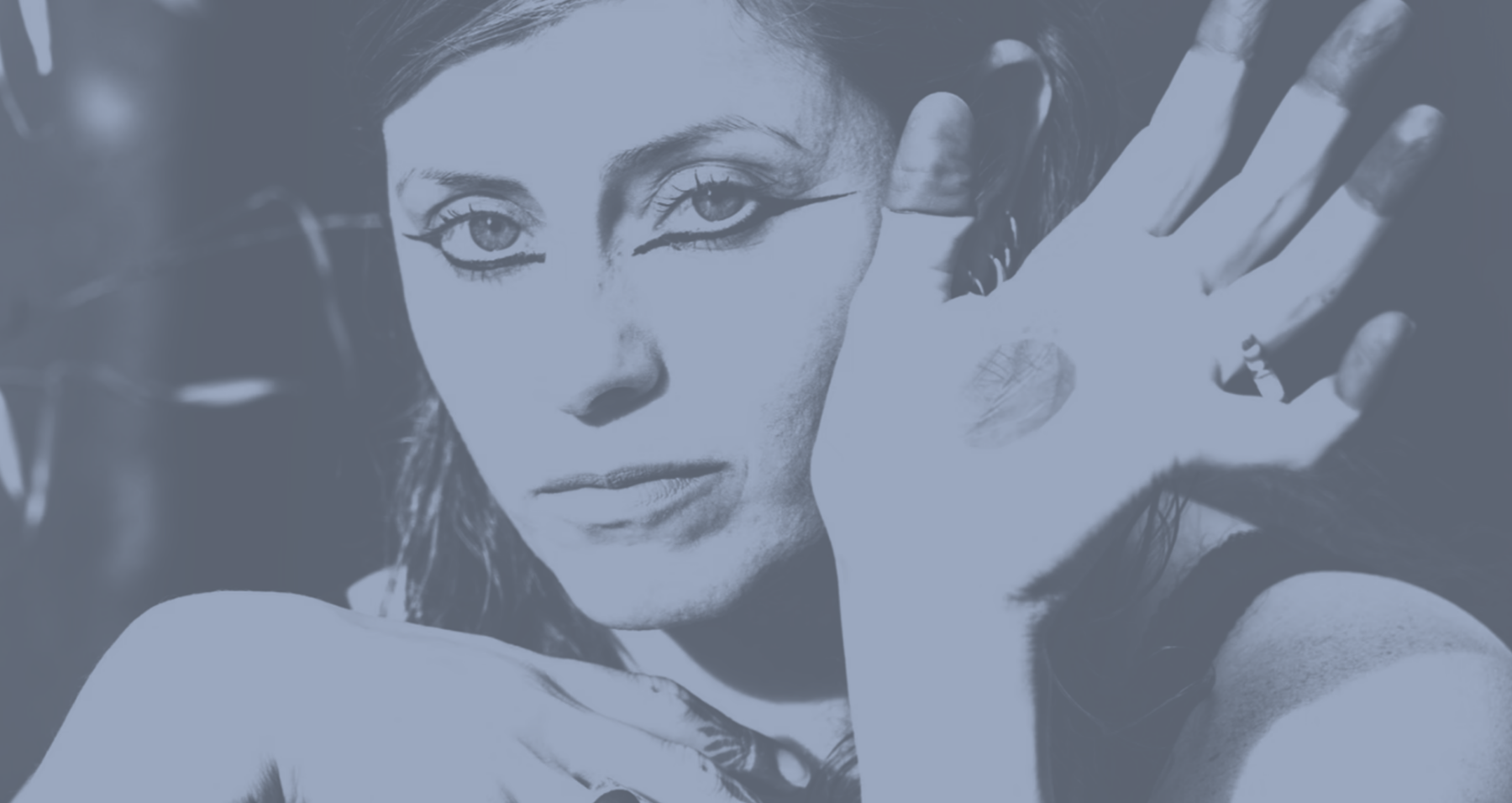
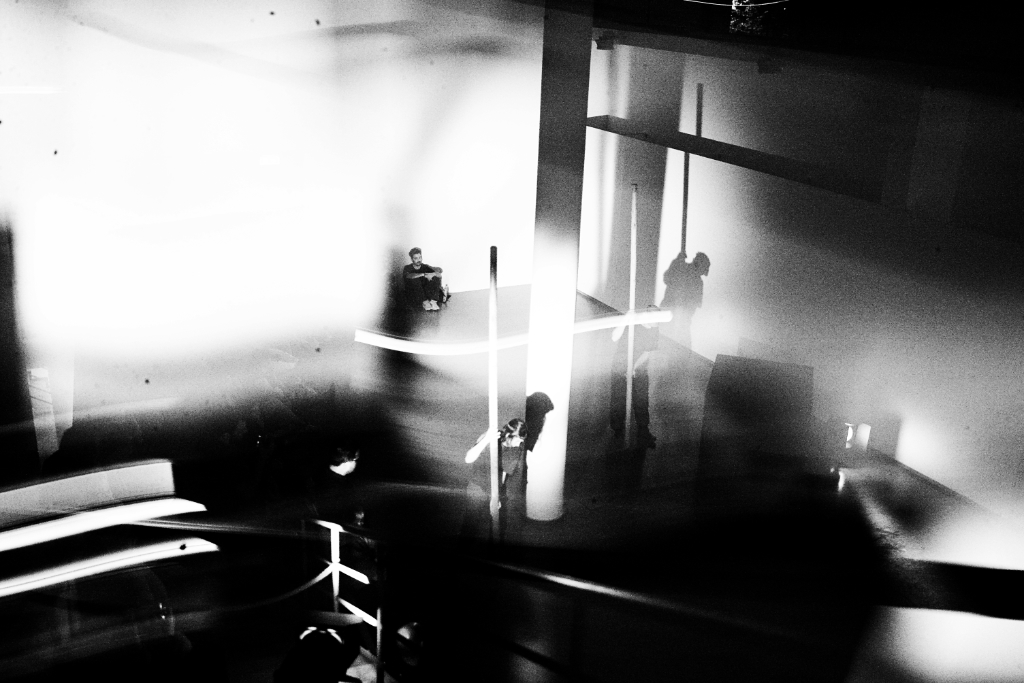
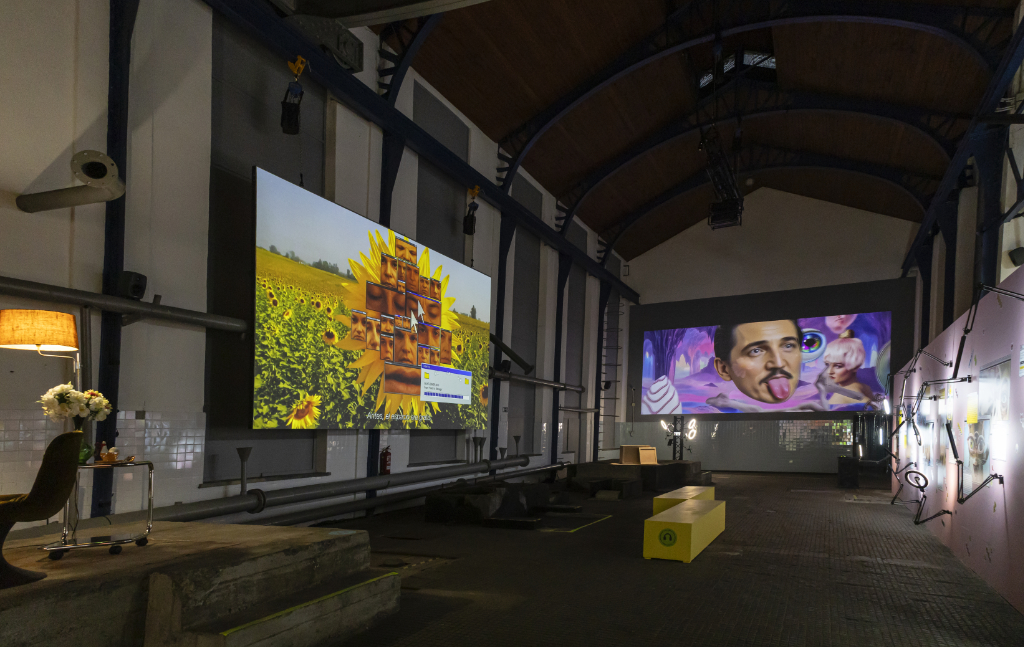
A meme survives long after the joke has passed. Indeed, a forgotten filter, a distorted portrait, a GIF shared a thousand times: fragments of an online world moving too quickly to remember itself. At Pozu Santa Bárbara, a former coal mine in Asturias, French artist and filmmaker Anne Horel gathers these fragments into an unlikely archaeological record. The material is familiar, almost disposable. In contrast, the excavation reveals something far less fleeting. Additionally, Data Fossils: An Internet Diary, curated by L.E.V. Festival and organised by the Town Council of Mieres, is Horel’s first retrospective in Spain. Occupying the mine’s former compressor room, it traces her practice from the early culture of social media to the strange possibilities of generative AI. Across five sections, digital debris reveals how we construct identities, invent mythologies and leave traces behind.
Horel’s relationship with collage predates the feeds that would become her raw material. Revisiting her archive for the exhibition took her back to 2006, when she was combining drawings with paper collage. Flash followed, then Myspace around 2008, before social media’s increasingly complex image economies. The platforms changed, but the gesture remained: collecting, cutting, reassembling. Looking back, Horel describes the process of connecting these different periods as creating one giant collage in itself.
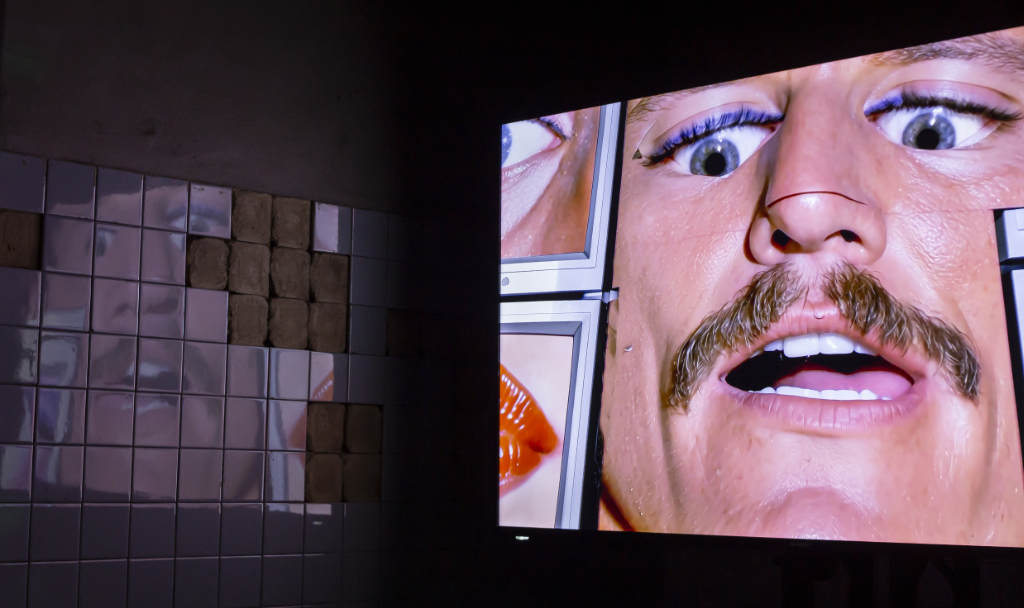
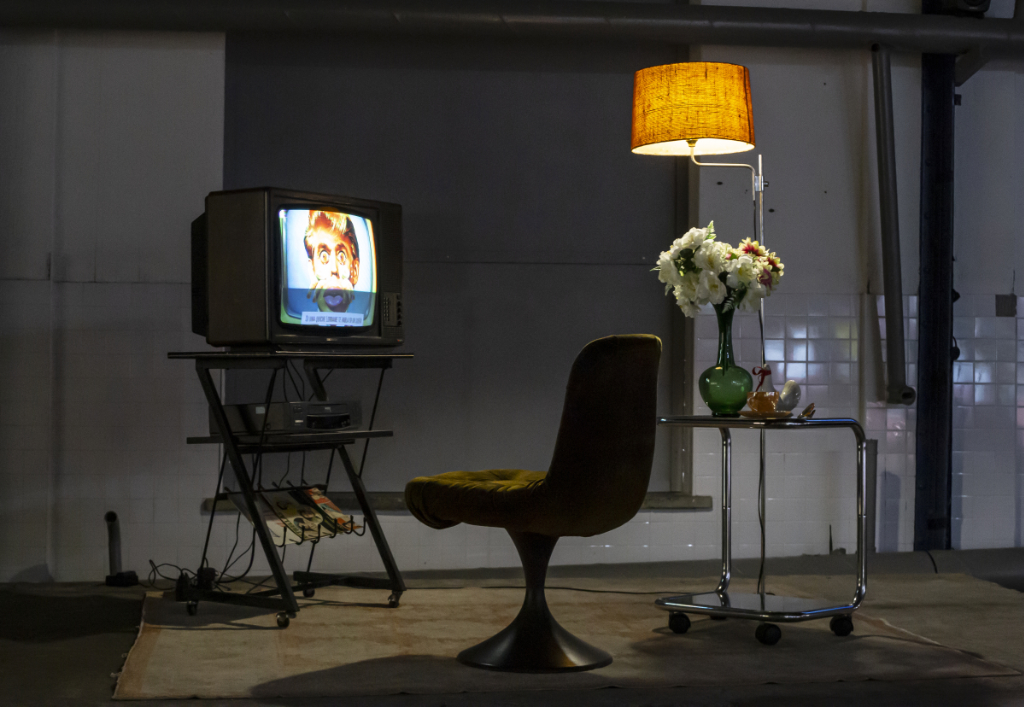
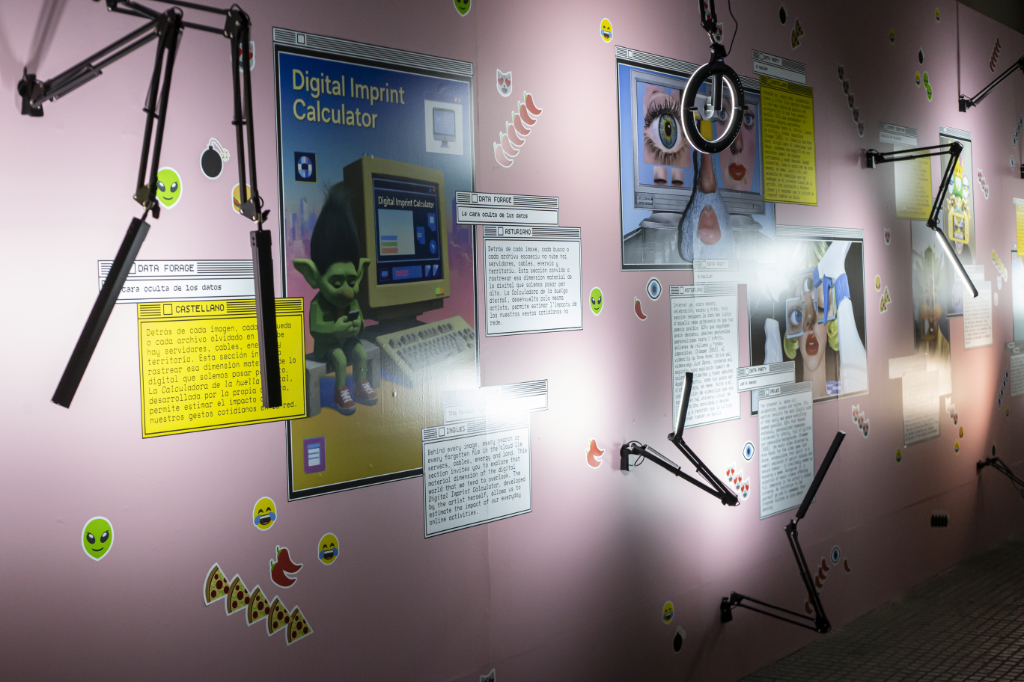
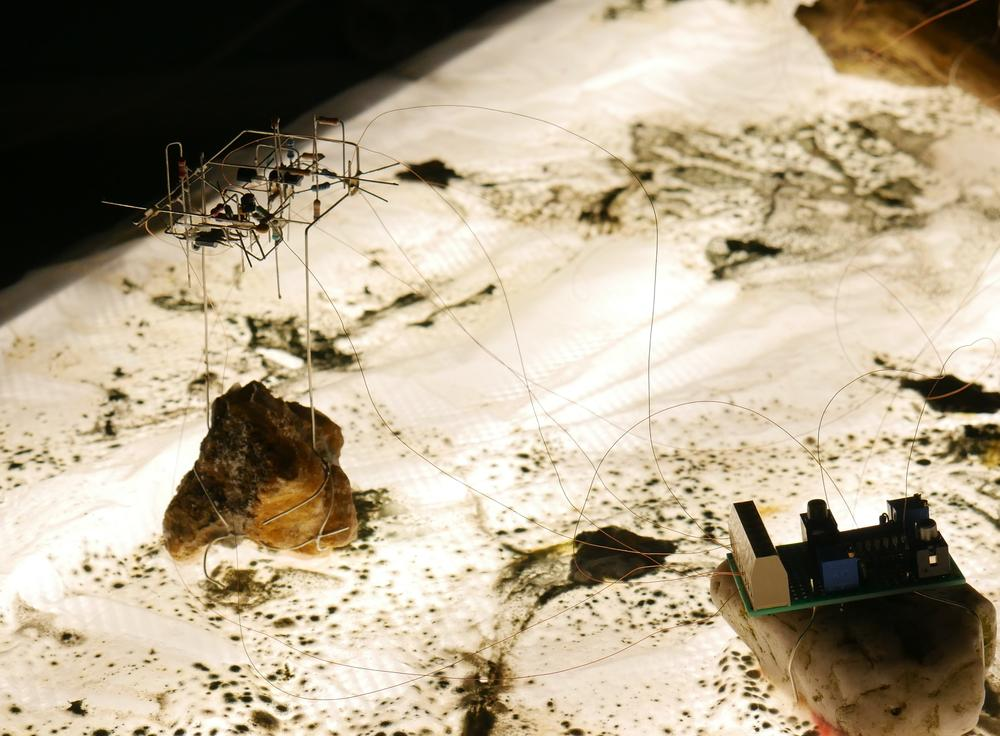
Placing this history in a former site of industrial extraction has a particular sharpness. Pozu Santa Bárbara symbolised mining for eight decades, and authorities have protected it as cultural heritage since 2008. Today, its architecture holds another kind of excavation. Behind the apparent immateriality of images, messages and machine-generated content lie data centres, energy demands, physical resources and human activity turned into economic value.
As Horel puts it, There are two forms of extraction at play: the resources that sustain digital infrastructure and the value drawn from our memories, creativity and attention. Platforms gather and monetise the data we generate collectively, and we increasingly pay for access to our own cultural environments. In this setting, the language of data mining becomes uncomfortably literal. The mine makes visible an economic continuity that the smooth surfaces of our devices tend to conceal.
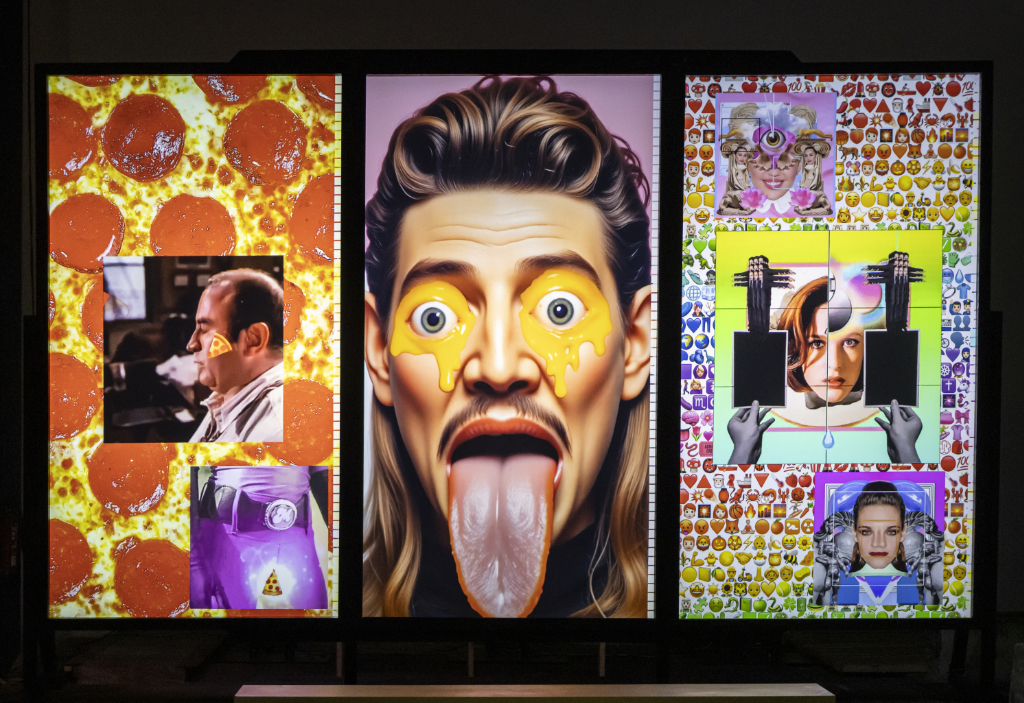
Moreover, the exhibition is structured by five interconnected layers. Fossil Feed brings together digital collages made between 2009 and 2026, alongside Good Soup, a triptych that transforms contemporary icons into a pop altar. Data Forage turns towards the infrastructures and costs beneath the image. Data Party gathers Horel’s music videos, while Content Creature offers a bestiary of identities assembled through filters. Stories presents short films in which collage comes to life to tell contemporary fables. These works trace an internet history that is neither tidy nor linear.
The absurdity is central. Memes, celebrity worship, and avatar culture might seem too trivial to merit preservation, yet for Anne they form an emerging collective language. They carry emotion, humour, affiliations, and the desire to be recognised by others. Online mythology is endlessly copied and remade, but its memory is precarious: platforms disappear, formats become obsolete, images lose their original context. The joke can outlive the community that made it intelligible.
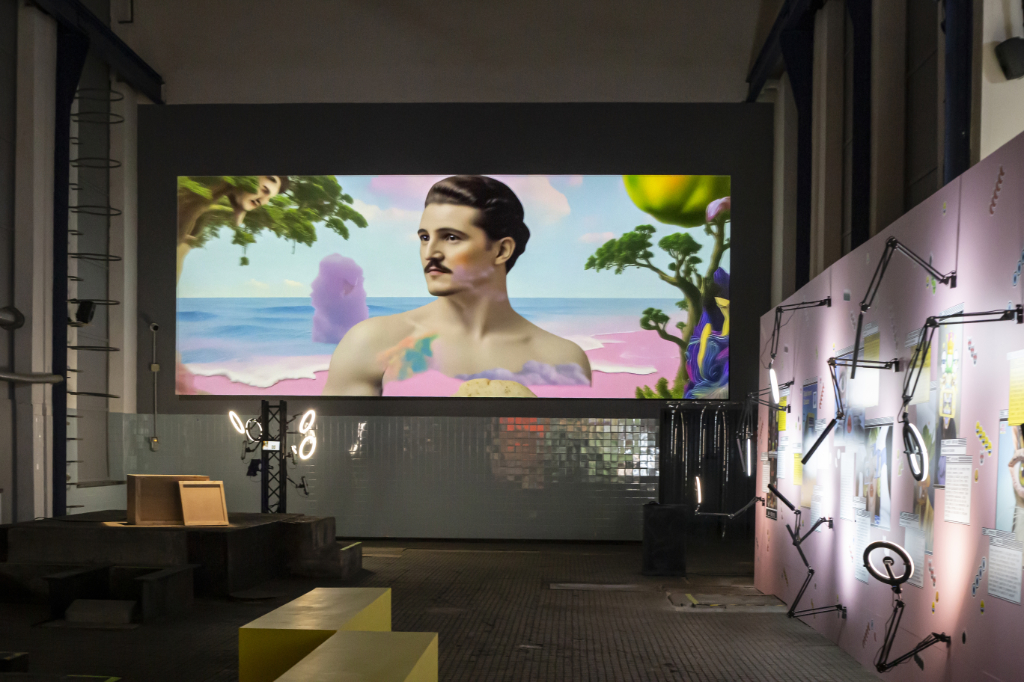
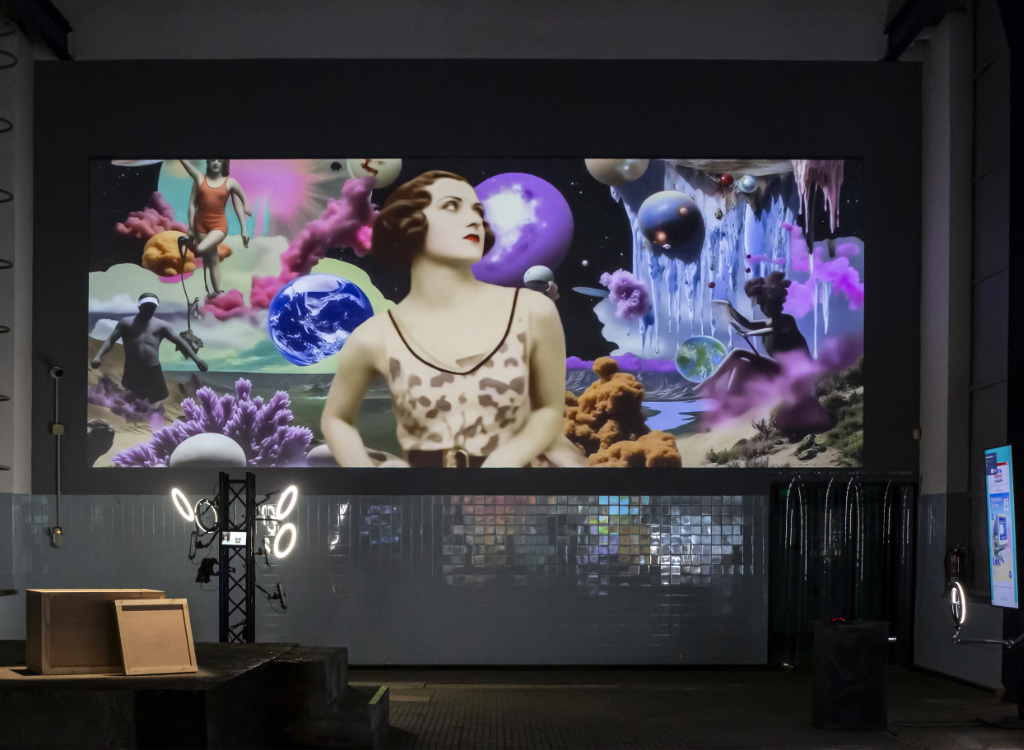
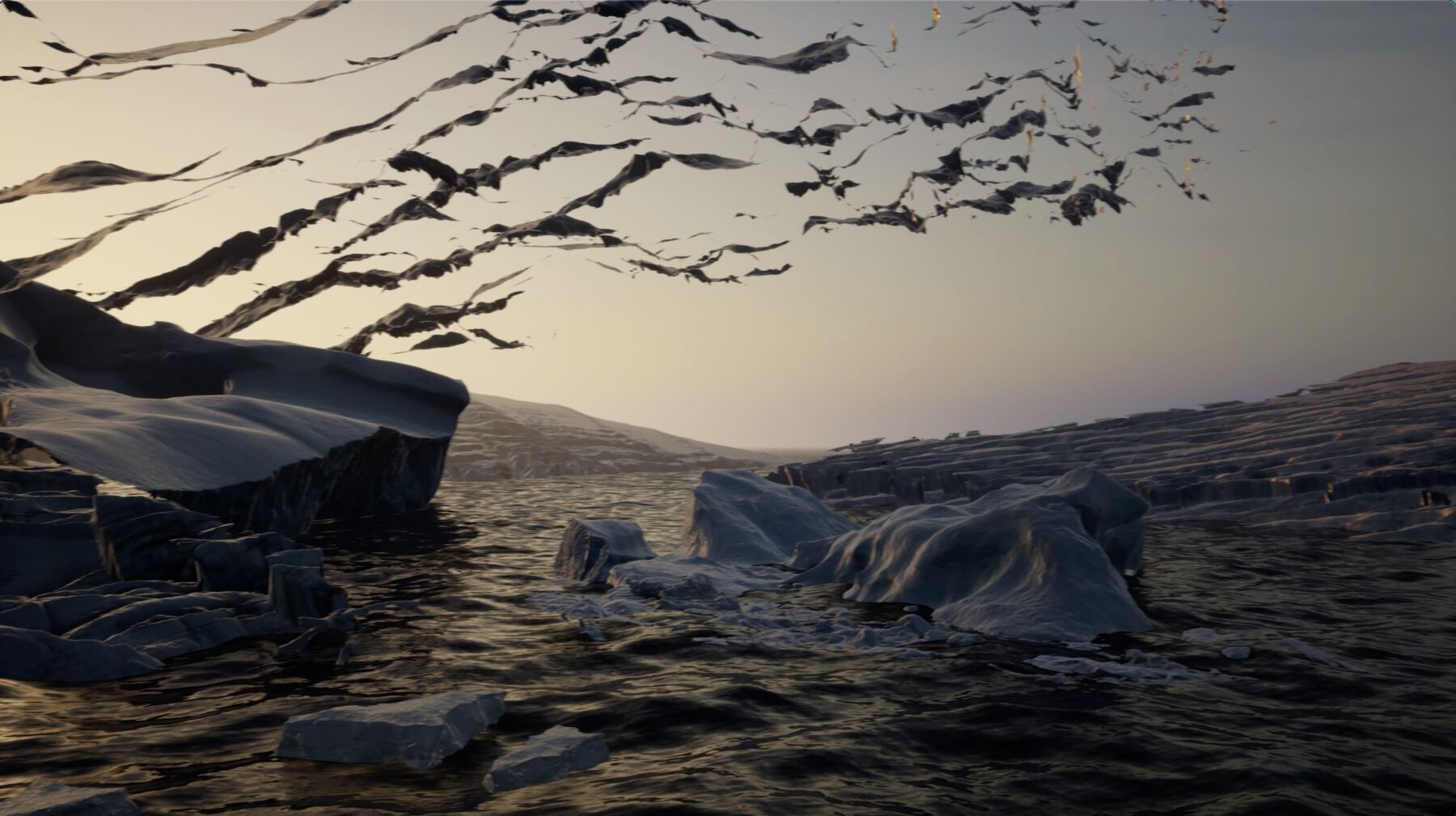
Generative AI introduces a further instability. Horel began experimenting with image generation in 2022 and was drawn less to photorealism than to hallucinations, artefacts and uncanny hybrids. These results extend the logic of collage. In one video experiment, an unprompted line of dialogue changed an entire film’s direction. For Horel, an accident matters when it reveals a possibility she could not have imagined alone. What a system gets ‘wrong’ may be precisely what makes it artistically revealing.
Yet the same technology that enables such creative detours also sharpens questions about the resources and labour hidden behind digital production. In Data Forage, Horel’s Digital Imprint Calculator invites visitors to estimate the material impact of their everyday online activity, translating data use into comparisons involving water, oil and meat consumption. It gives seemingly weightless actions a material dimension. Horel does not exempt her own practice from this contradiction. She acknowledges the resources her tools consume, while resisting the idea that individual guilt can adequately address a systemic problem. The exhibition holds fascination and criticism in the same frame: the pleasure of making images with machines, and the need to scrutinise the economies that make those images possible.
There is also a change of scale. What passes through a phone in seconds now occupies a space visitors move through. Removed from the feed, these fragments can be examined as cultural artefacts rather than endlessly replaced as content. What looked like noise becomes a record of collective impulses: what made us laugh, what we chose to share, the versions of ourselves we projected into the network. Horel hopes that visitors will return to their screens with a different sense of what they are looking at.
Today’s content is tomorrow’s archaeology, Horel says. In a former coal mine, that thought acquires a material urgency. The internet may seem to forget almost everything, but it is constantly accumulating traces of us. The question is what survives, who gets to use it, and what is consumed in the process.
The exhibition will remain open until January 7, 2027.