Text by Hannah van den Elzen

How can we change what we know by modifying the conditions under which we observe? When we change what we record, at what scale, over what period and through which procedures? We usually produce phenomena and make them legible through a combination of instruments, materials, protocols, scales and models: apparatus designed for a specific purpose. Researching, classifying, recording and documenting are methods that shape our understanding. How can we open up new ways of observing and producing representations?
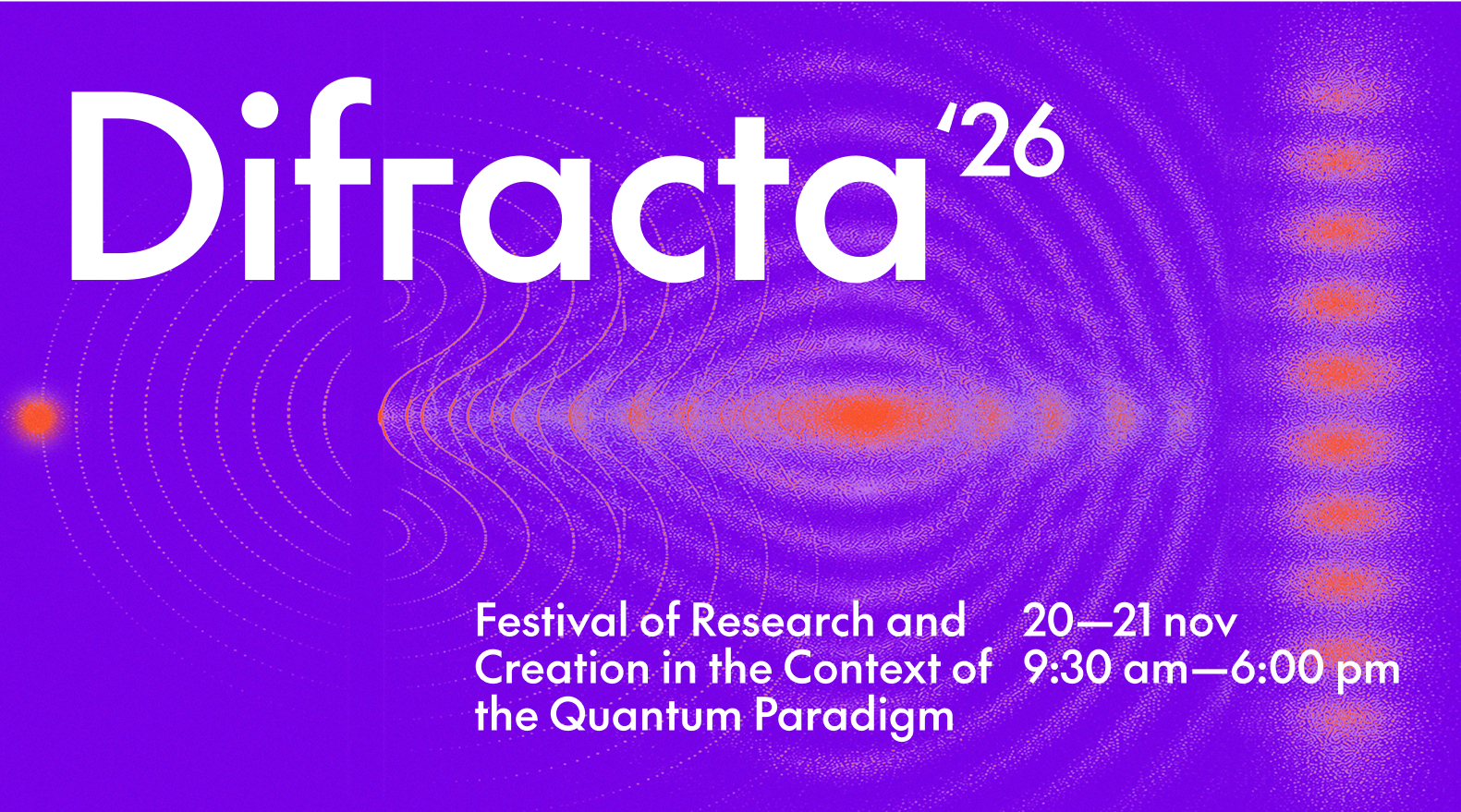
DIFRACTA’26, a festival curated by Pilar Cortada for Eina Obra, runs on 20 and 21 November at Eina Bosc in Barcelona and takes us along in non-linear ways of measuring. The festival draws inspiration from the quantum paradigm, and throughout the programme this concept enters into dialogue with new possibilities for art, design, science and philosophy. The programme focuses on developing new forms of inquiry, knowledge, experience, practice, and material engagement through a selection of artists and speakers who will show us how to establish new conditions.
The festival highlights perception, inspired by a range of philosophers who challenge the relationship between perception and action. Take James J. Gibson’s ecological approach to perception, for example. Gibson challenged the idea that the nervous system actively constructs conscious visual perception and promoted ecological psychology – the mind directly perceiving environmental stimuli without cognitive construction. Karen Barad’s agential realism and approach to metaphysics, on the other hand, question how things come into being and what exists. Barad argues that things emerge through ‘intra-actions’ with each other. According to Barad, entities do not exist as separate individuals before they relate to one another; their connections shape them.
Within philosophy, new materialist and critical posthumanist perspectives, including the work of Jane Bennett and Rosi Braidotti, inform our understanding of material agency and relational subjectivity. They invite us to reconsider the autonomous individual as the exclusive origin of action and creativity, and to attend to the human and nonhuman relations through which these processes emerge. Explains Cortada over email.
The biologist Jakob von Uexküll discusses Umwelt, the German word for environment, and specifically draws attention to the sensory environment of species: a private, species-specific subjective world that each organism inhabits. Each organism inhabits a world of perception and action linked to its sensory capacities and ways of engaging with its surroundings, challenging the idea that human experience can serve as a universal measure, Cortada notes.
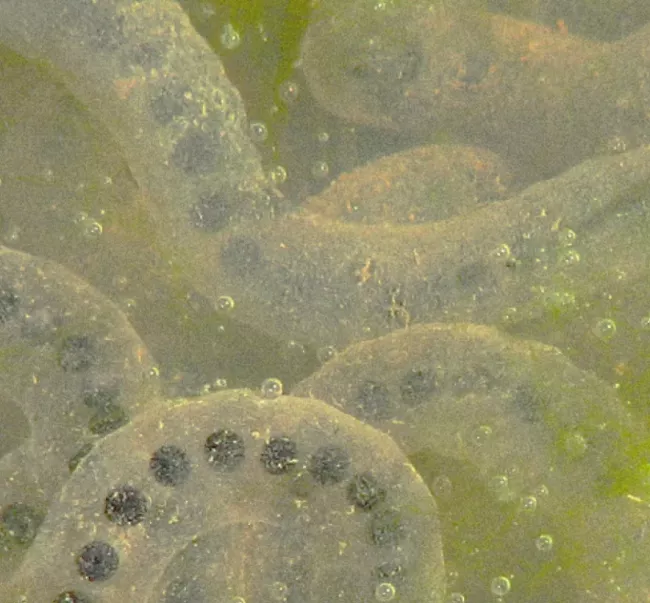
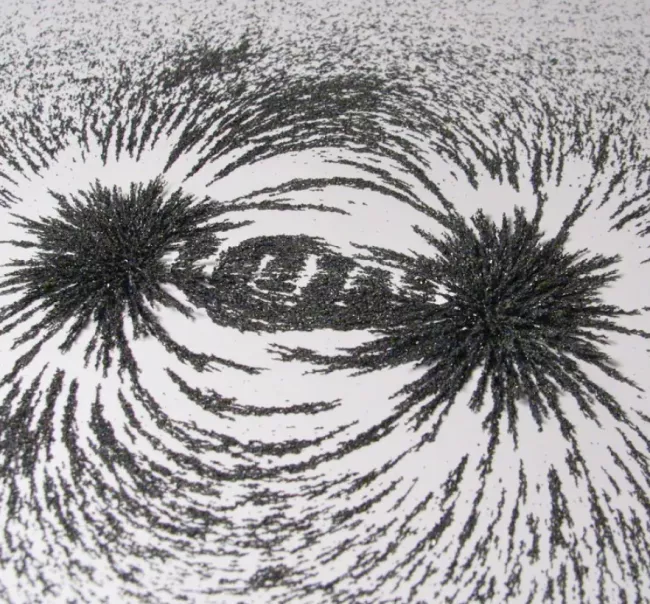
The quantum paradigm highlights the idea that reality is not set in stone. It therefore opens up new possibilities and ways of looking at different kinds of relationships among organisms, materialities, apparatuses, technologies, environments, and social and cultural contexts. The quantum paradigm helps us to imagine new futures. At DIFRACTA’26, these futures will be explored by bringing notions from the quantum paradigm into dialogue with artists’ work. Throughout four dimensions – epistemology, ontology, methodology and ethics – the festival explores the responsibilities that arise when research is understood as an intervention.
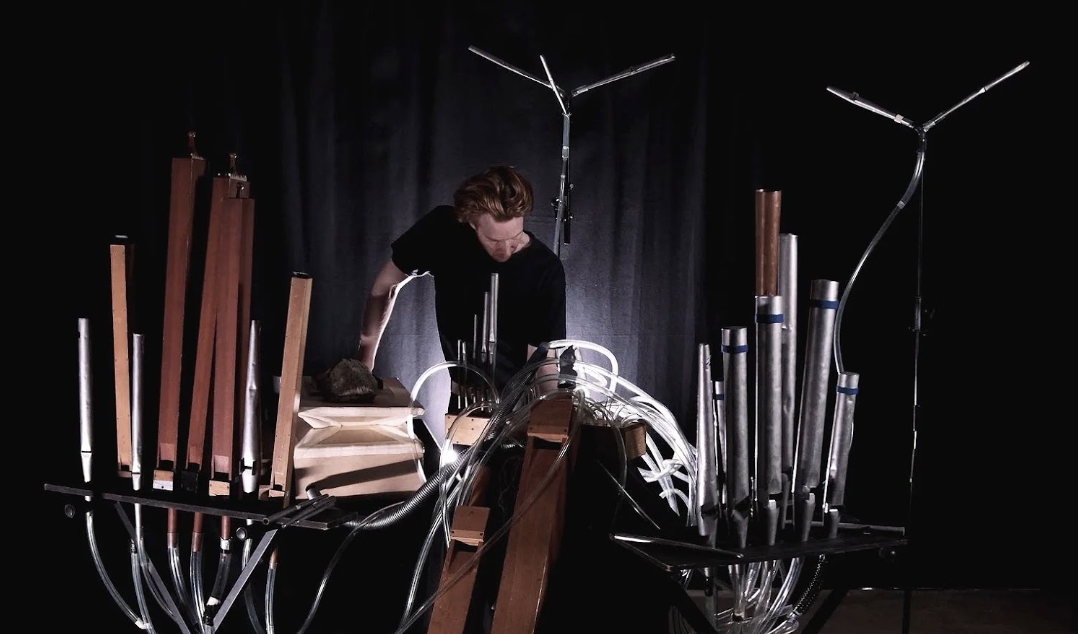
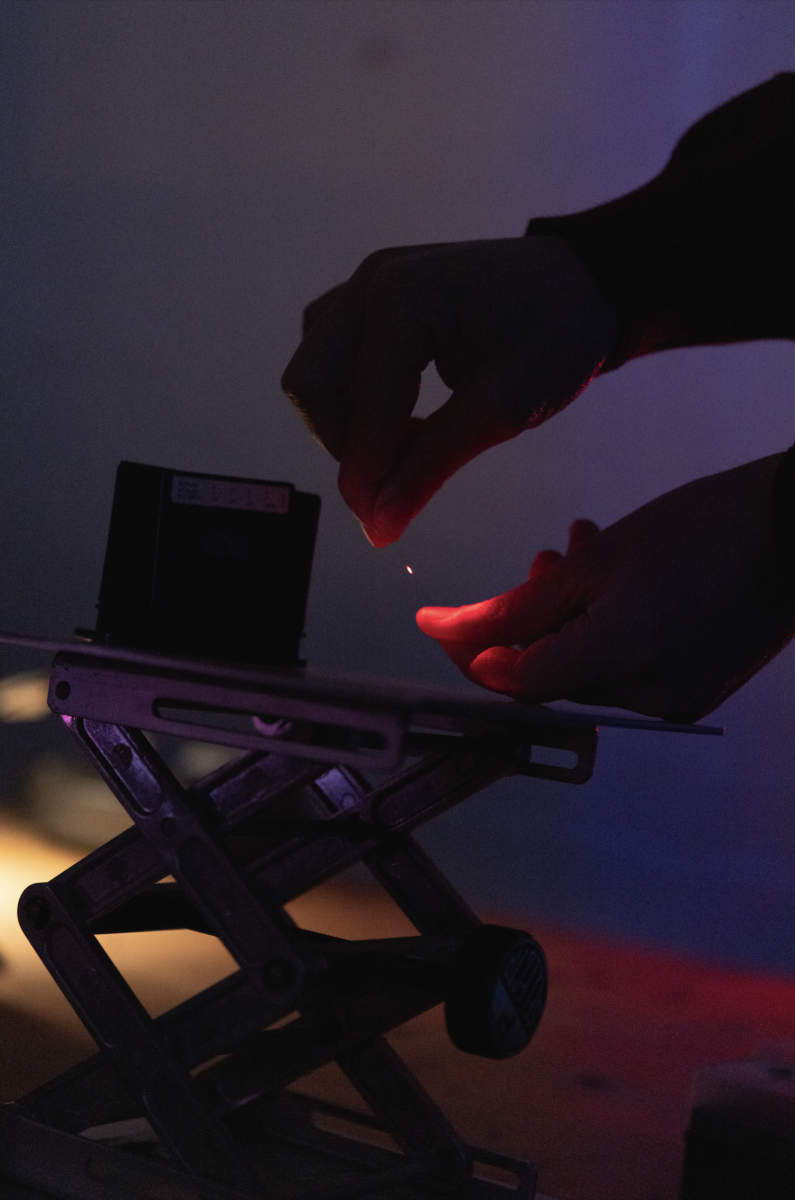
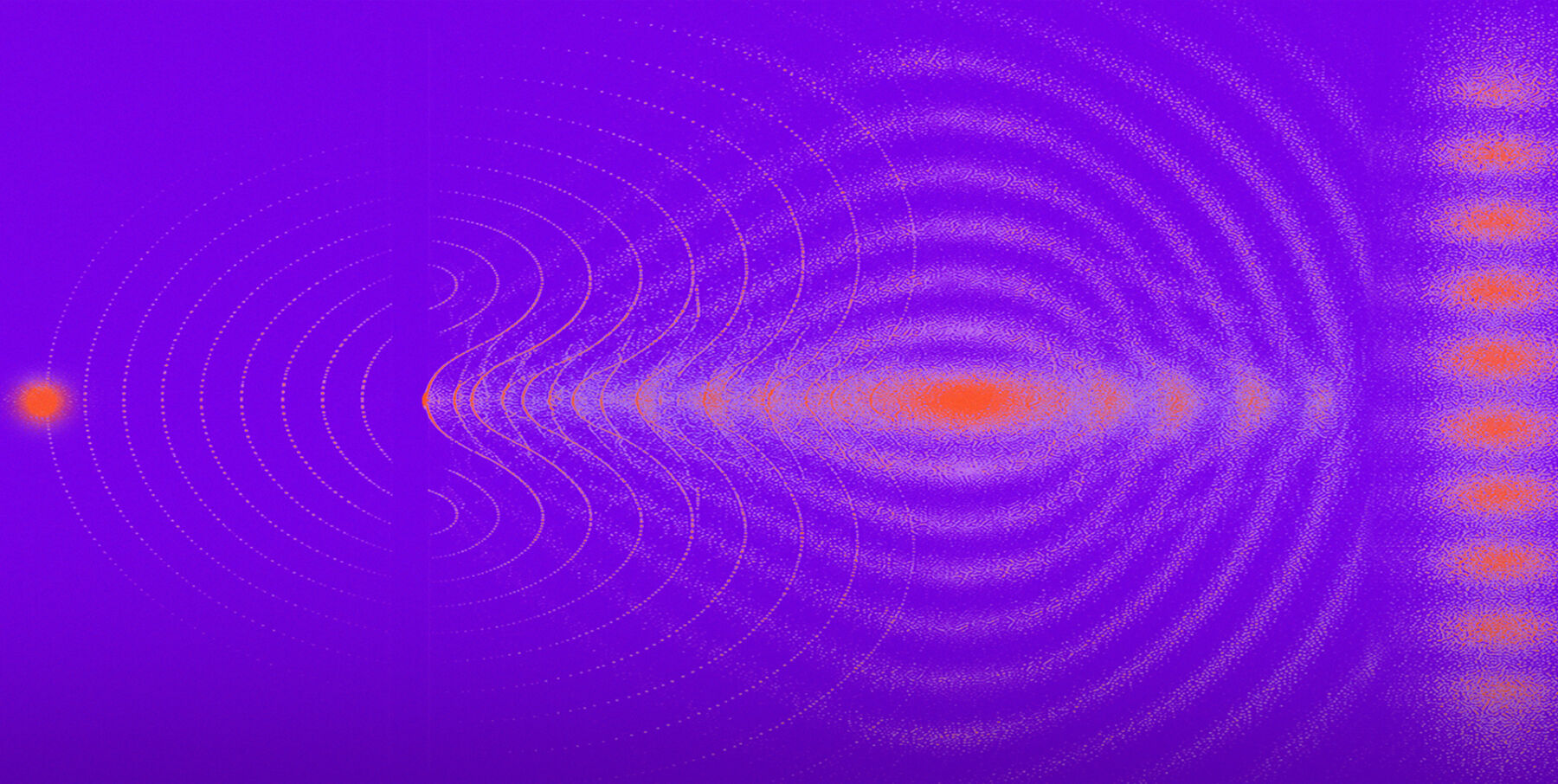
The festival’s epistemological chapter addresses observational devices with artist Pep Vidal, along with Anja Grotens‘ view on classification systems and the production of evidence, among others. Through the festival labs, the audience can test how a phenomenon shifts via methods and documentation. The programme’s artistic activities draw attention to what we now view as perceptible and what remains excluded: Astrid Schrader talks about human-nonhuman relations and feminist science studies, and Evelien Geerts discusses diffractive methodologies. The latter is inspired by Donna Haraway, who breaks down binary oppositions through a diffractive approach: challenging the hierarchy between researcher and “researched”, past and present, male and female, human and animal and more.
The quantum paradigm allows us to interrogate some of the categories through which we organise our understanding of reality: objects, properties, observation, separation and determination. The philosophical interpretations informing DIFRACTA open up ways of thinking about what exists through its relationships and conditions of emergence, Cortada reflects.
Another topic that will be discussed during the festival is Femke Snelting‘s critical approach to computational practices. Snelting questions knowledge and agency with material conditions and exclusions within research and creative practice. In current methodologies for research, artistic creation and knowledge production, prevailing models tend to treat research objects as entities whose boundaries are established in advance, favouring linear processes.
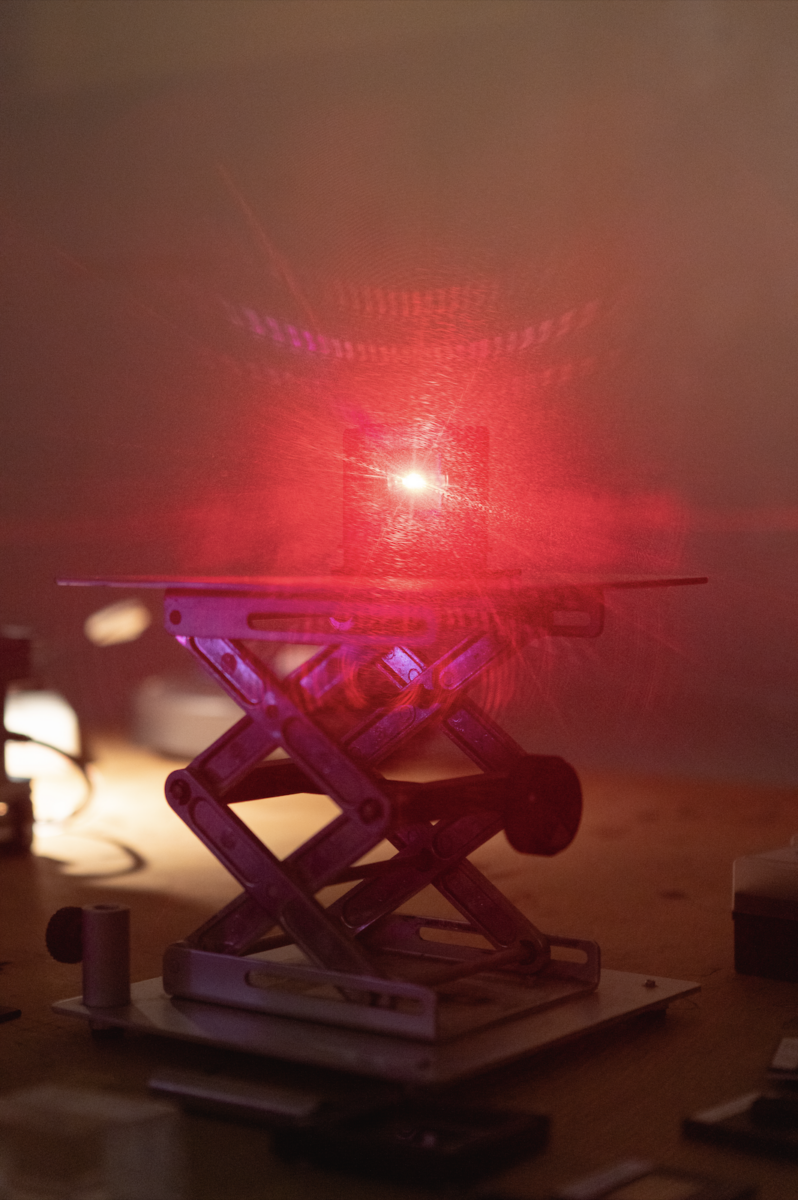
People at Eina see this first edition of DIFRACTA as the beginning of an ongoing research process. The practices and methodologies explored in this edition will be mapped in the following ones, alongside the difficulties and unresolved questions they raised.
DIFRACTA’26 is planning to release a publication that will develop this inquiry – bringing practices and perspectives into dialogue, examining how they transform one another and what methodological possibilities emerge through their encounters. This will help us understand what changes when research and creative processes move from an emphasis on objects to relationships, from external observation to participation, and from representation to performativity, Cortada states.
All participants make previously overlooked relationships considerable. They show us how apparatuses and established forms of classification shape what we observe, experience and seem to ‘know’. Which configurations produce which phenomena, for whom and with what consequences? To open up new ways of observing and producing representations, we need to revisit non-linear ways of perceiving and recognise the impact of situated practices. The festival program helps us shape responsibility for the resources used, the relationships it establishes, and the exclusions it produces.
Working in non-linear ways involves paying attention to feedback, contingencies and effects that emerge from relationships between multiple processes. It requires revisiting questions and decisions as working conditions change, recognising that their consequences cannot always be anticipated, Cortada concludes.