Text by CLOT Magazine
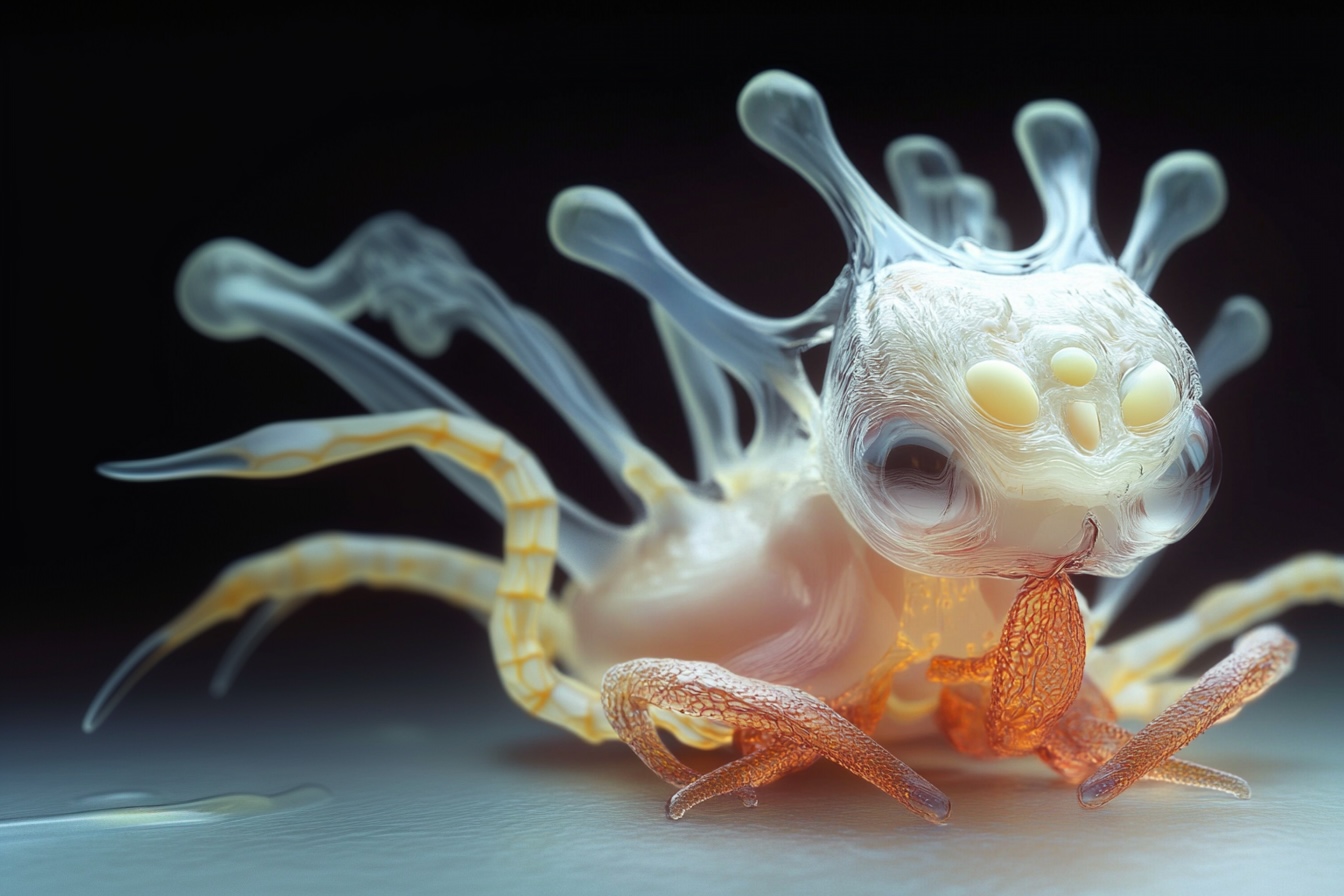
Berlin Science Week 2025 will host a panel discussion for CHRYSALIS ARTISTS IN LABS, the new project by Art Laboratory Berlin, which surfaces as a cross-pollination chamber between scientific inquiry and artistic speculation. On 8 November 2025, under the umbrella of BSW, the project’s panel discussion will expose the inner workings of residencies in Berlin science labs — probing at the margins of neuroscience, AI, biodiversity, and ecology.
At the heart of CHRYSALIS is a wager: that art and science, when truly entangled, generate new modes of knowing. In 2025–26, four Berlin-based artists — Helena Nikonole, Julius Holtz, Sybille Neumeyer, and Margherita Pevere — will take up residencies inside Berlin’s research institutes. Mentored and mediated by Art Laboratory Berlin‘s curators, Regine Rapp and Christian de Lutz, these artists will engage with scientific collaborators from Berlin universities.
The November panel will present three of these dyads: Nikonole with Álvaro Rodríguez (Rillig Lab, plant ecologies), Holtz with Ludmila Litvin (Charité, sleep & chronobiology), and Pevere with Germán Joosten (ecological novelty). Alongside these pairs will be Rapp and de Lutz, who will moderate the panel.
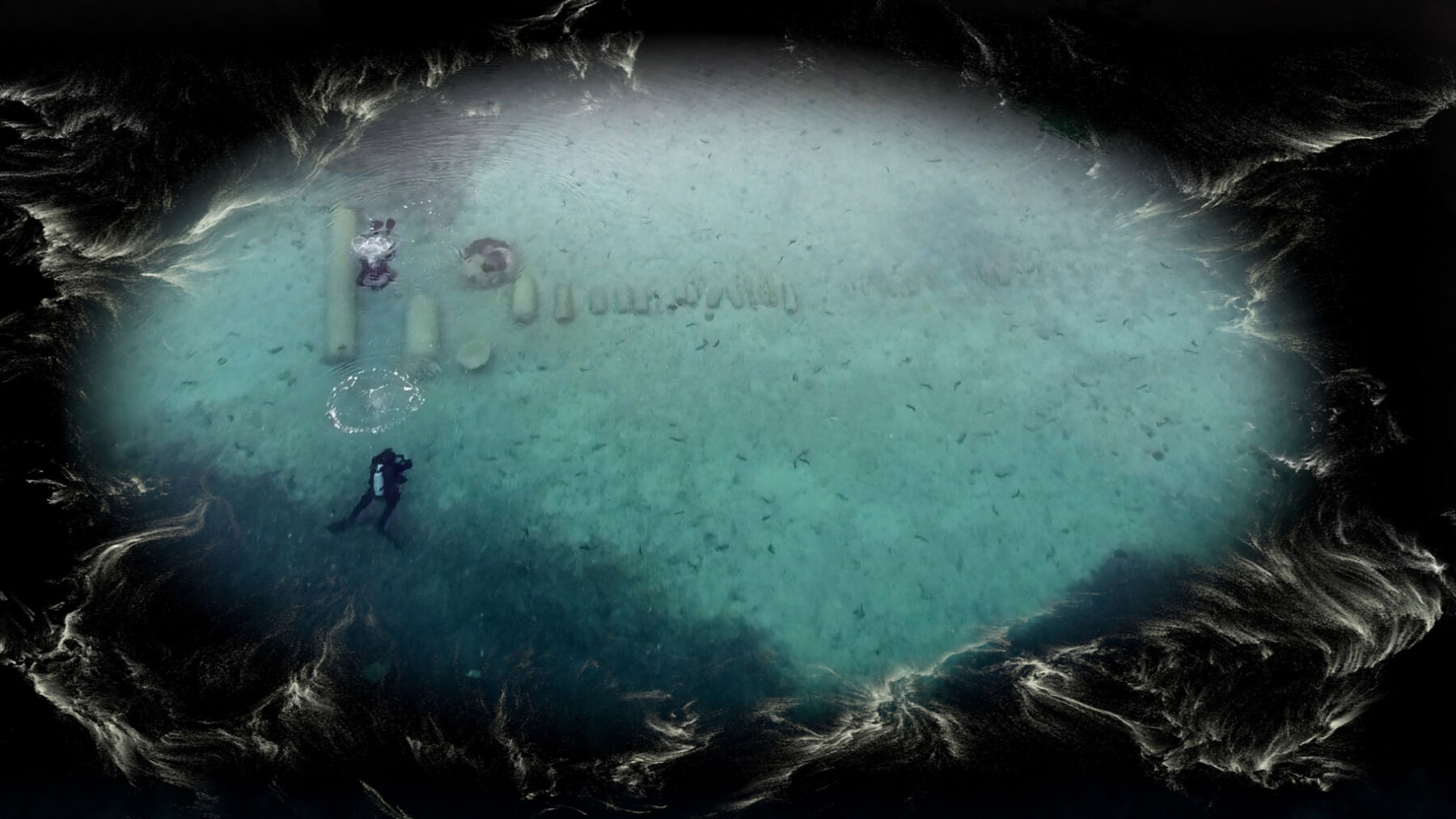
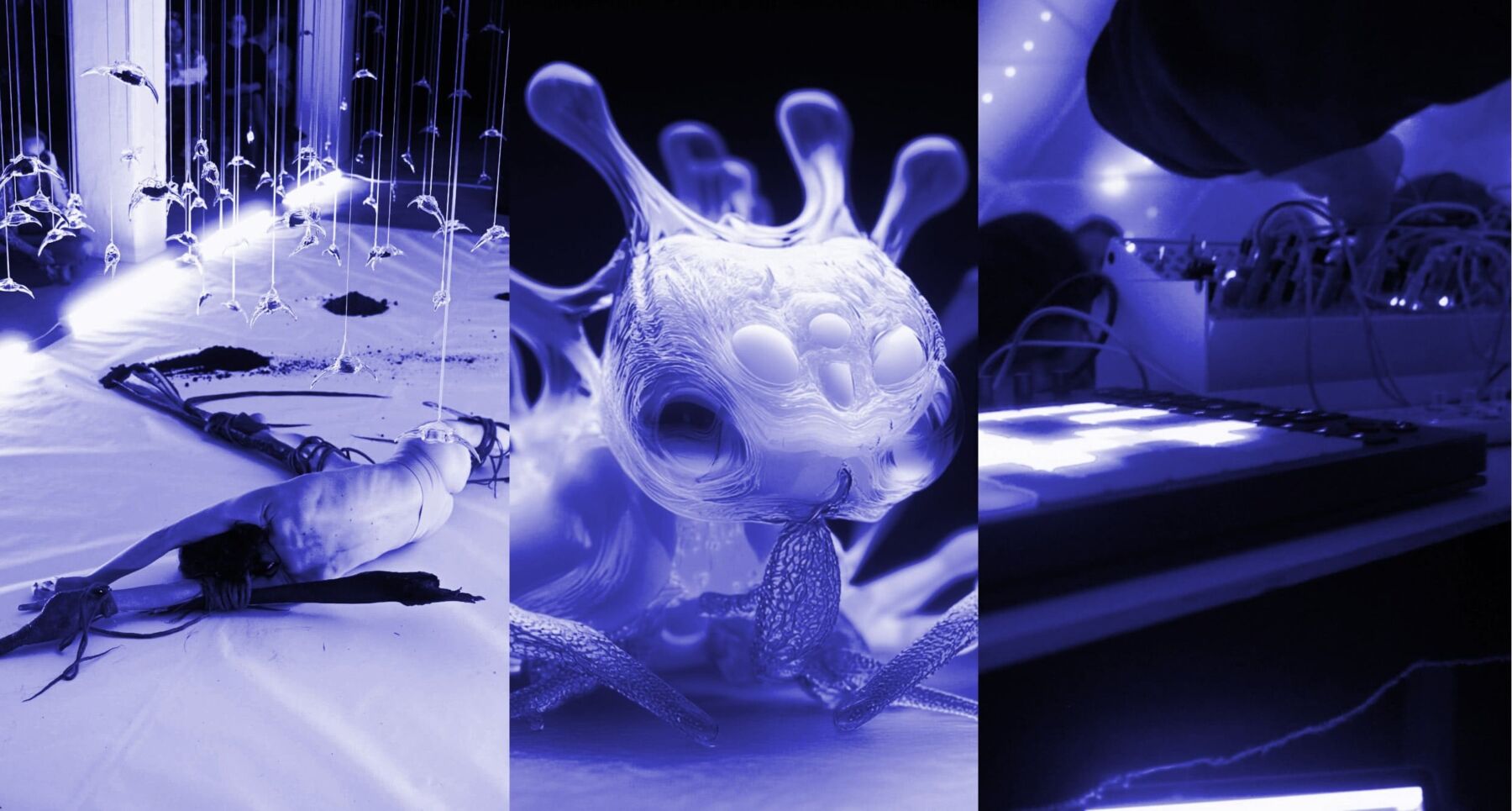
Helena Nikonole’s work positions itself at the interface of machine learning and biosemiotics. In collaboration with the Rillig Lab, she brings metagenomic soil ecology into dialogue with AI models. Julius Holtz, whose practice traverses electroacoustic music, media art, and interactive sound environments, contributes a sonic lens to CHRYSALIS. During his residency, he will collaborate with neuroscientists and chronobiologists to explore consciousness, listening, and neural feedback. Margherita Pevere’s ongoing series untaming death repositions death not as a terminus but as an ecological process, particularly within polluted Berlin ponds. Her residency will examine how chemicals, such as nicotine, pharmaceuticals, or industrial runoff, function as environmental agents that affect biotic systems.
This panel will showcase the creative dynamic process of Chrysalis, which is planned to be regularly shared and discussed with a broad public. The artists and their immediate scientific collaborators will regularly present their research and experiences in a series of talks in 2025 and 2026, as well as at an international interdisciplinary symposium in October 2026. Also, each artist will hold a workshop based on their ongoing lab residency.
More information here.