Text by Maya Elimelech
The jittery quilt we dream in, the home we share. Where is the place we all exist in together? A grandmother’s smile, a tower, a man with the head of a lion; these visions form fractals of a larger work in the making. Dreams are often treated as private experiences, fleeting images that vanish upon waking. Cosmologyscape asks a different question. What if they form part of a collective terrain through which communities imagine, remember, and build worlds?
Cosmologyscape, conceptualised by artists Kite (Oglála Lakȟóta) and Alisha B Wormsley, is a public artwork, dream diary and methodology meant to bridge the gap between symbol and space, the dream and the earth. Wormsley’s practice investigates Black temporalities and rematriation, while Kite’s work explores contemporary Lakȟóta knowledge systems through visual art, technology, performance, and sound. Together in 2020, the artists developed Cosmologyscape through a series of workshops and a commission with Creative Time.
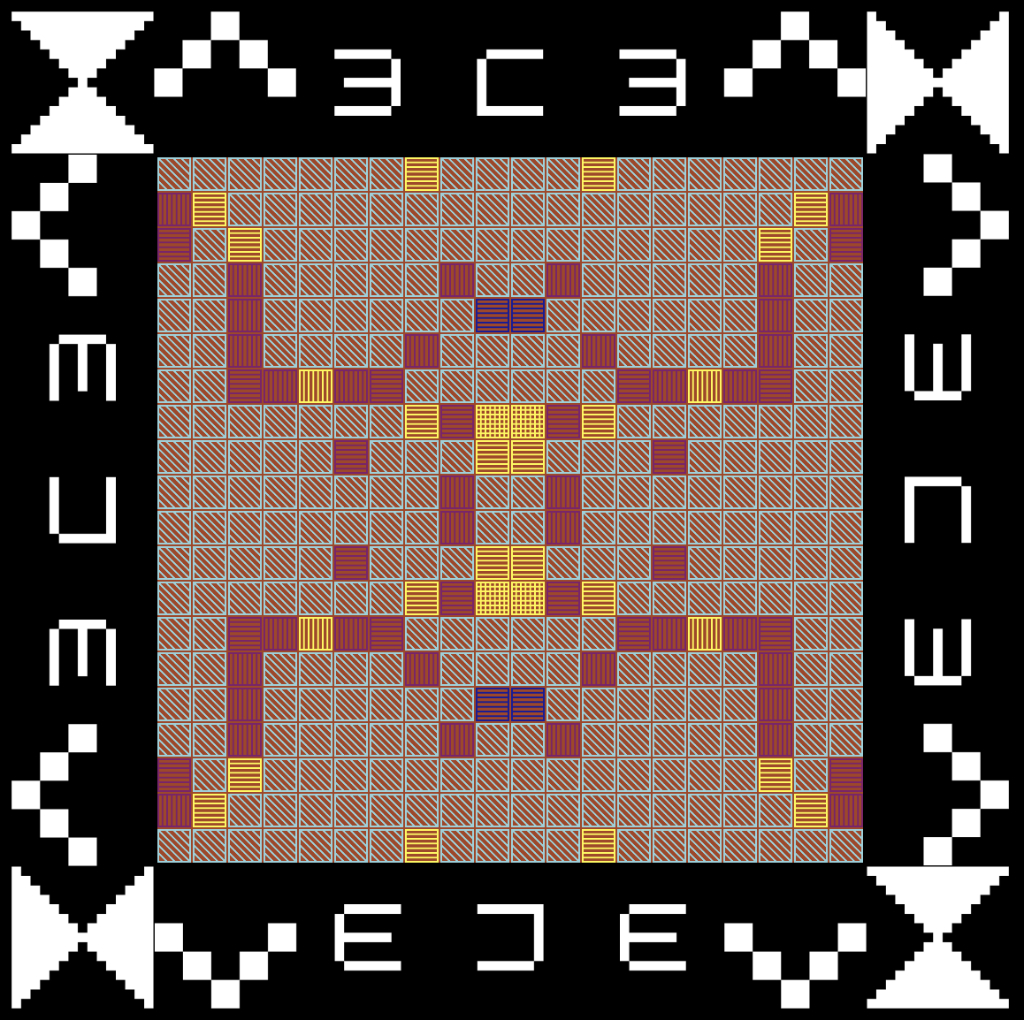
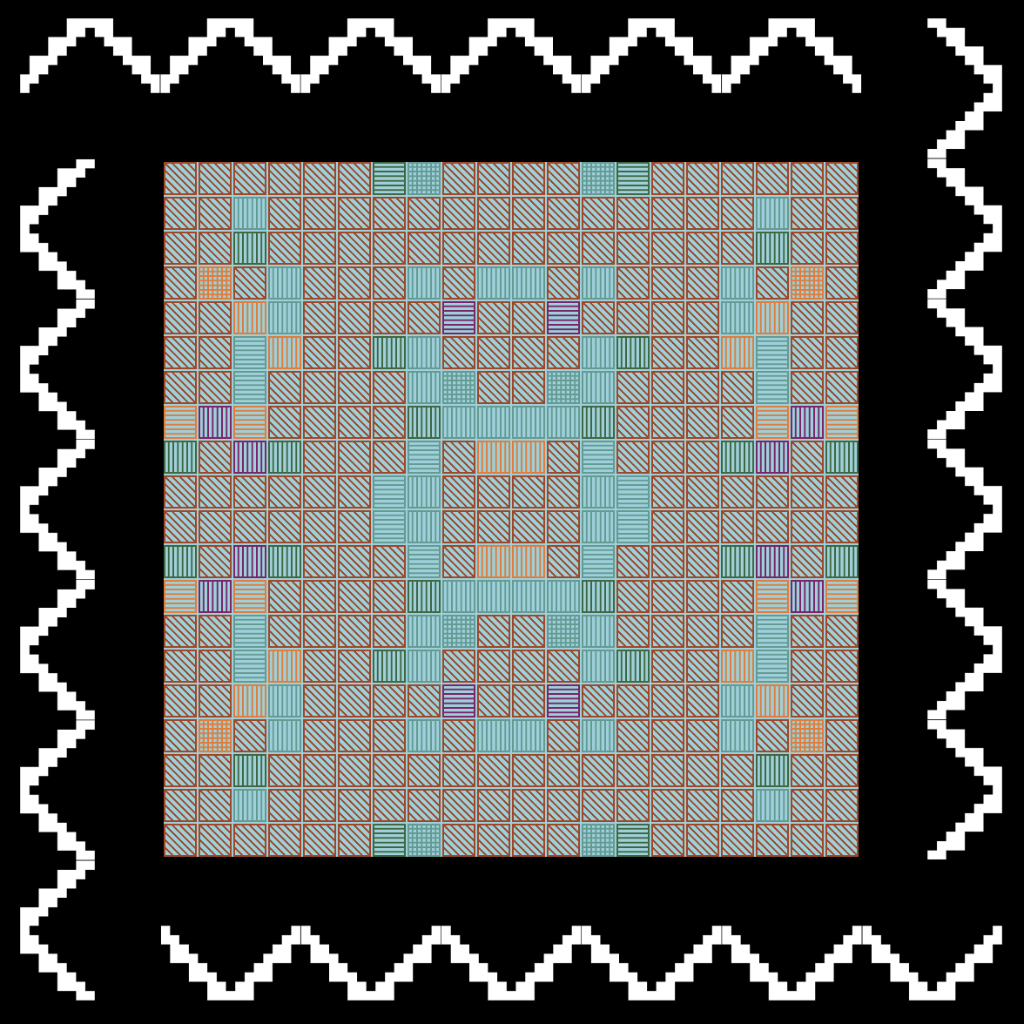
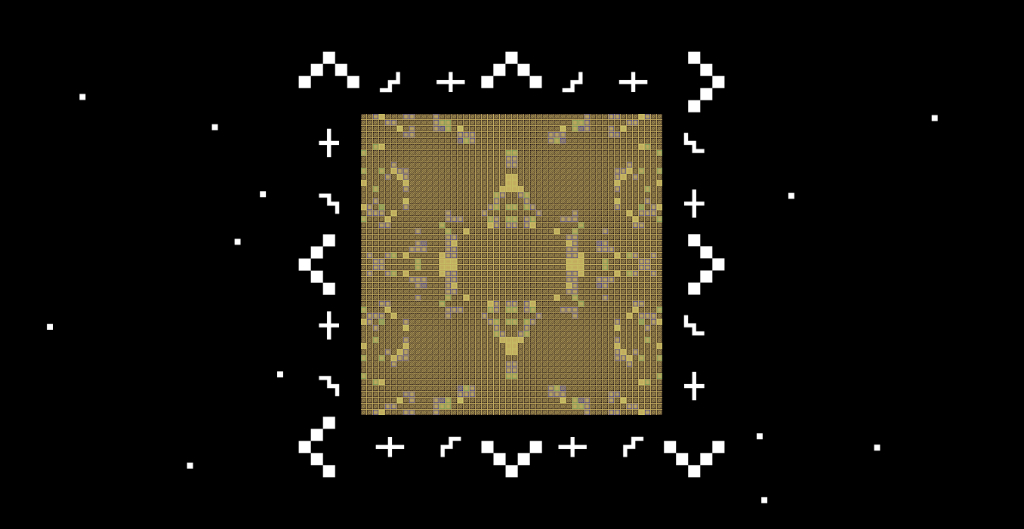
The project sought to revive and reimagine a long lineage of Black and Indigenous communal dreaming practices; traditions that have historically been used to communicate with ancestors, convene with the collective dream, and connect with possible futures. The Cosmologyscape website is a collection of dreams: a shifting digital quilt, with each square generated from 26 Lakȟóta and Black symbols.
Though tied to the past, Cosmologyscape has a radically experimental interpretation of traditional symbols. In my interview with the artists, Kite describes the symbols as a shared language through which people can interrogate our collective dreams, emphasising that the project is not an attempt to teach Lakȟóta culture but to create conditions for mutual exchange. The intention is to create a framework through which strangers can make meaning together.
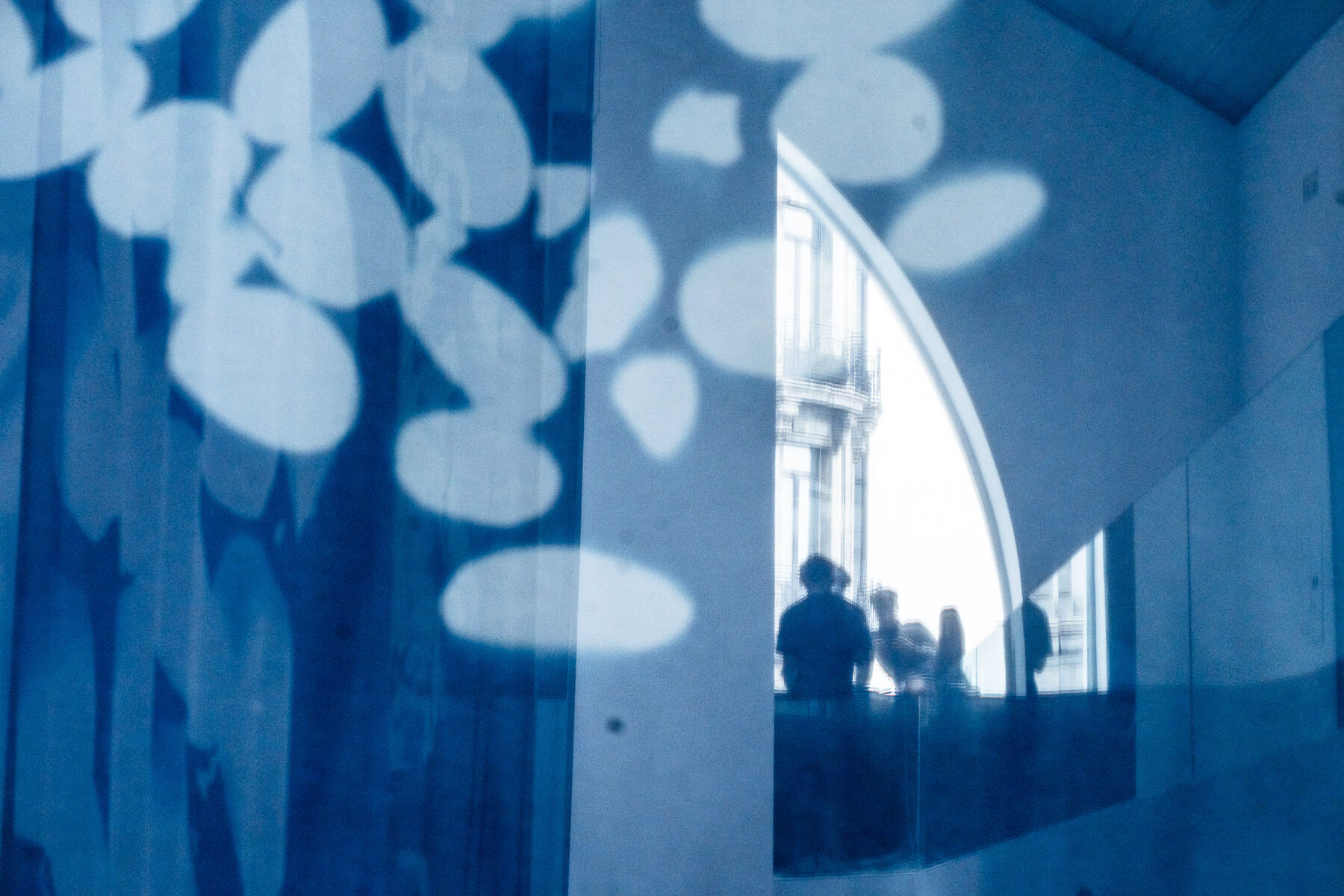
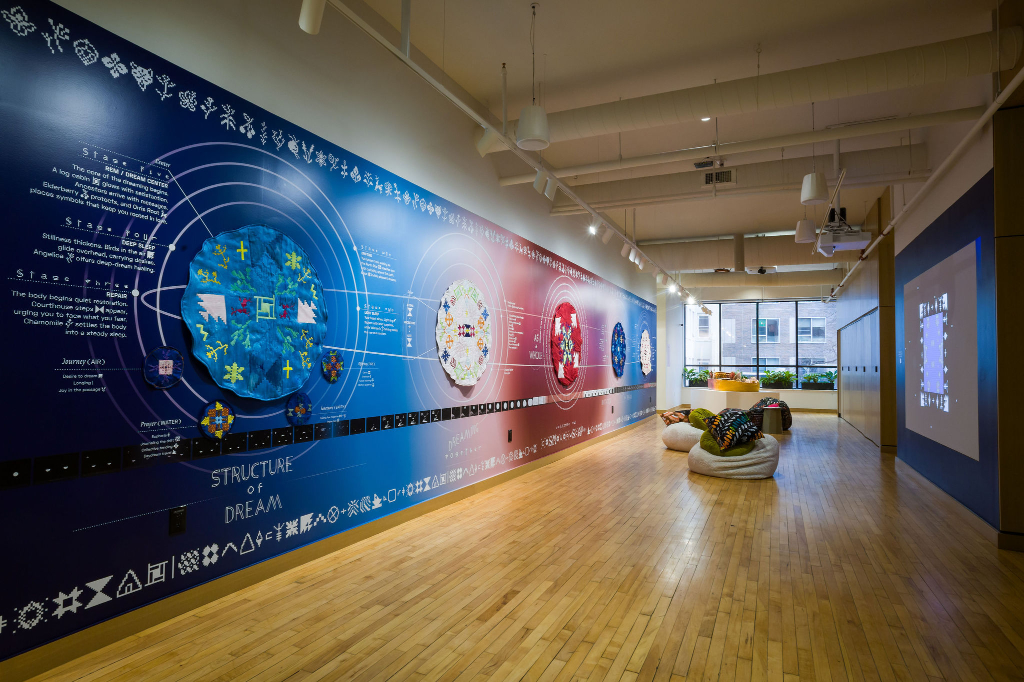
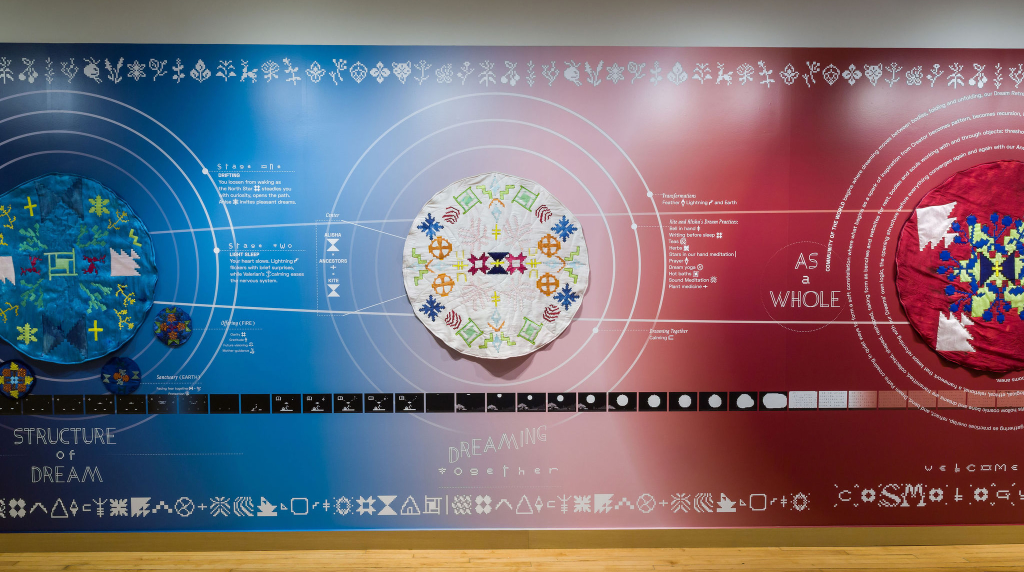
Welcome to Cosmologyscape is a site-specific installation commissioned by the Wagner Foundation that builds upon the artists’ years-long research in dreaming. On view at Wagner Gallery, participants from the Boston area are invited to submit their dreams digitally to see them transmuted physically into textiles and mural-sized graphics.
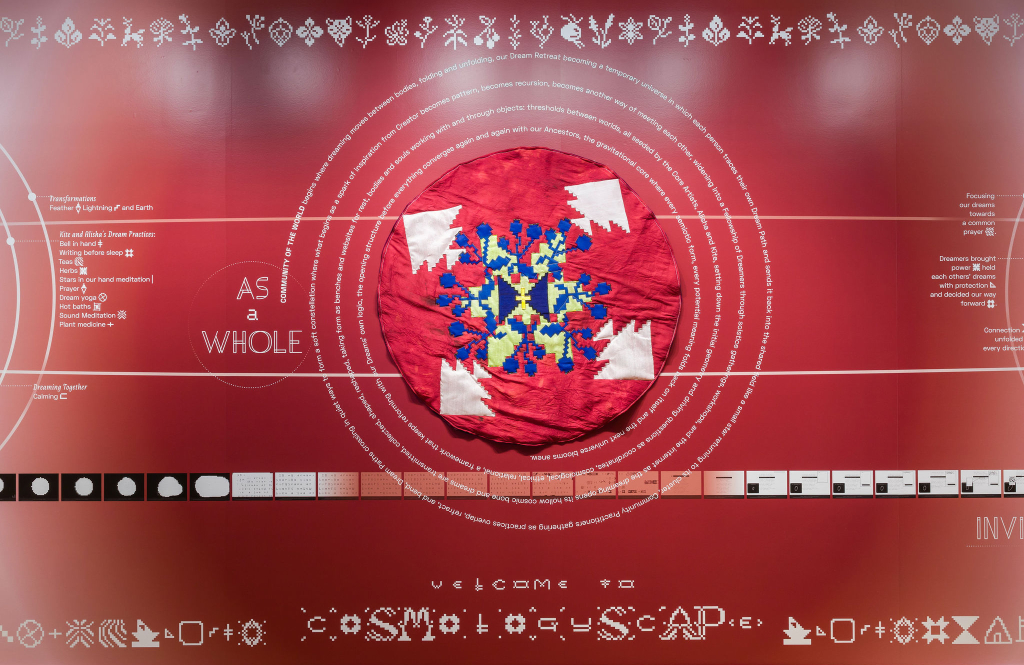
This iteration also features a contextual diagram created with design studio Omnivore; sound artworks; furniture co-produced with Indigenous students from the University of Manitoba; and a “dream office” inviting visitors to rest, reflect, and enter the imaginative space of the project. Co-curated by Abigail Satinsky and Maggie Wong, this exhibition examines the Cosmologyscape methodology, and specifically its adaptability to the needs of Black and Indigenous communities.
Lakȟóta methodologies that encourage reciprocality, mutual dependence, and the resolution of inequity at the micro and macro levels are central to the artwork. Within this framework, dreams and visions are not merely private experiences but ethical processes through which new knowledge can emerge. As Kite explains, finding ways for globally disparate communities to make new knowledge that centres their values is key for making anything, whether it’s art or technology. Cosmologyscape was created with these principles embedded in its design. After the dream is submitted, participants are given herbal tea offerings inspired by their dreams. Their data is securely managed and destroyed, as if it is returned to the earth.
Kite and Wormsley highlight dreams as sites of collective understanding, rather than something to be interpreted. Words were created to serve specific functions and to communicate ideas our ancestors felt worthy of being named.
Thinking of symbology as a language, Wormsley tells me: I picked symbols that are connected to my family, and that I think are ancient — symbols that have been recreated and reused from before the Atlantic slave trade, rooted in this mystical, ancient Africa and brought all the way over here, used again for the same communication, the same type of interactions. When we think about otherworldly beings, we’re thinking about voyages, we’re thinking about journeys, we’re thinking about building houses. These symbols are cross-cultural representations of humanity. The symbols function as technologies of relation, carrying human experiences across space and time. They’re like a hand reaching out to you from those who came before, and after, from places you have never been.
I am reminded that the time and space to rest are conditions of power. Who is allowed to dream? And whose dreams conceived the world we live in? Whose dreams might envision a better future for all? The concept of Black Quantum Futurism proposes that time is a corruptible concept, which can be collapsed in order to bring about a more equitable reality.[1]
For example, the time that it takes to fight an eviction takes longer than the eviction itself. These imagined systems can be reconfigured and rethought in nonlinear spaces. Wormsley sees the dream realm and physical realm as not just connected, but the same place. “Conjuring dreams into the physical realm is what we do all day, every day. We’re working through things in our dreaming so that we can bring them into the physical realm. I actually don’t think that there’s a difference between the physical realm and the dream realm. I also don’t think there is a difference between the past, present, or the future — it’s all happening simultaneously…
We’re building and resolving things that happened in the past, resolving things that happened in the present and the future, through dreaming.” Dreaming can act as a spell through which new, emancipatory foundations of reality emerge. It can be your guiding rock; your star in the air because you told yourself who you are and what this is.
Cosmologyscape builds spaces for collective dreaming. When dreaming — the most intimate meeting of our minds — is practised in a space of community, it allows for glimpses into each other. More and more, the digital world allows for new levels of detachment from the environment, the material conditions of those around us, ancestry, and our own inner worlds. We are reminded that we are not isolated units moving one way through time. Transcending rigid structures designed to oppress also means meeting each other in the most intimate way; in order to form new understandings of the world and materialise something radically different and true.