Text by Rae (Mee-Jin) Tilly
On September 25, Art Laboratory Berlin opened the group exhibition CHRYSALIS. ARTISTS IN LABS presenting brand-new artworks by Margherita Pevere, Marcus Maeder, Helena Nikonole, and Julius Holtz. The exhibition spans two locations (Art Laboratory Berlin at Prinzenallee 34 and OKK at Prinzenallee 29), runs until November 29, and reflects 18 months of interdisciplinary exploration where art and science intertwine and communicate.
I attended the press preview on Friday afternoon the 25th. Art Laboratory Berlin curators Regine Rapp and Christian de Lutz, together with artists Margherita Pevere, Marcus Maeder, Helena Nikonole, and Julius Holtz, gave a tour ahead of Friday’s official evening opening. At the Art Laboratory Berlin location, artist and researcher Margherita Pevere introduced us to Ode (2026).
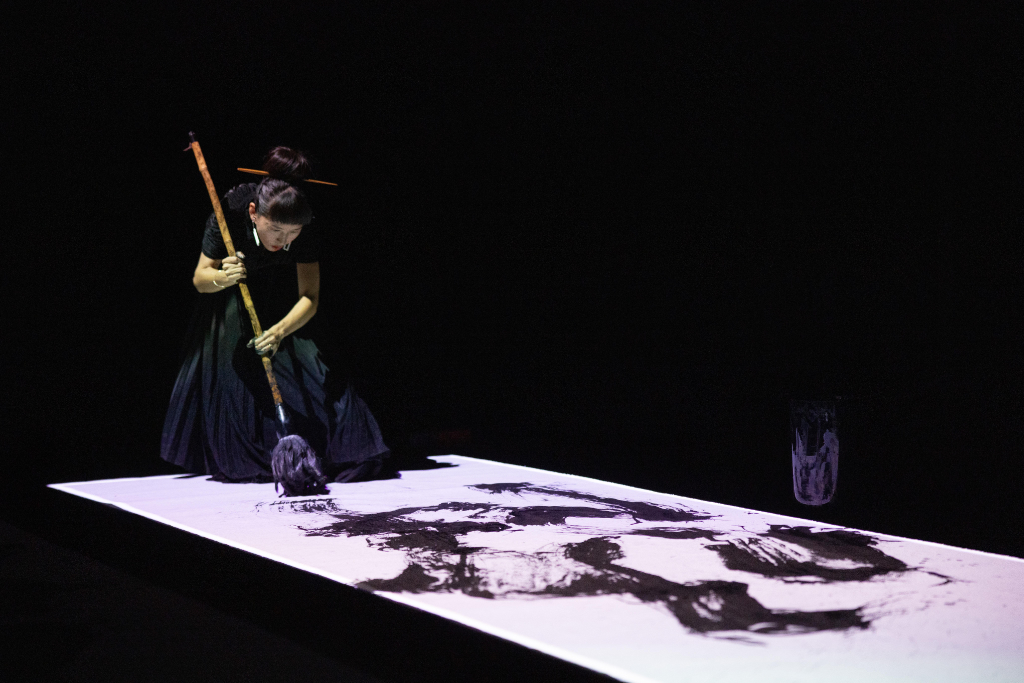
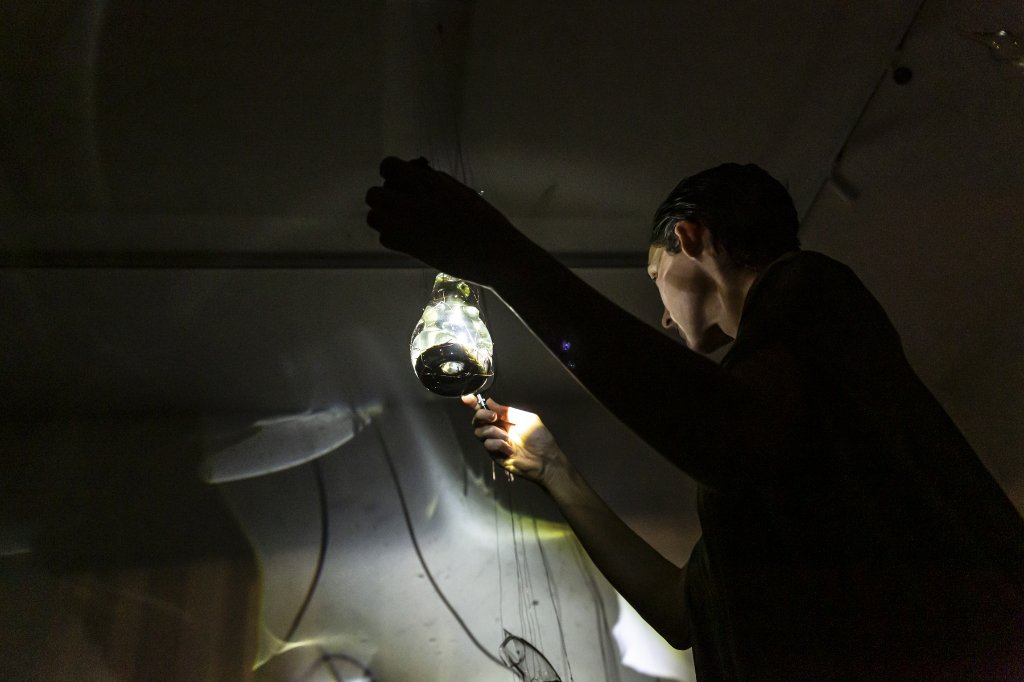
This mixed-media presentation showcased Pevere’s interpretation of ponds as extraterrestrial technology: In her own words, Ode imagines ponds as enigmatic spaceships conducting genetic work in their ‘holding’ and stillness. A mixed-media display of sculpture, sound, machine learning, costume, and performance, Pevere’s Ode was cross-referential. Each element related meaningfully to the others, creating a closed loop, like a spaceship whose inner workings are physically bound by its structure, creating an isolated interior.
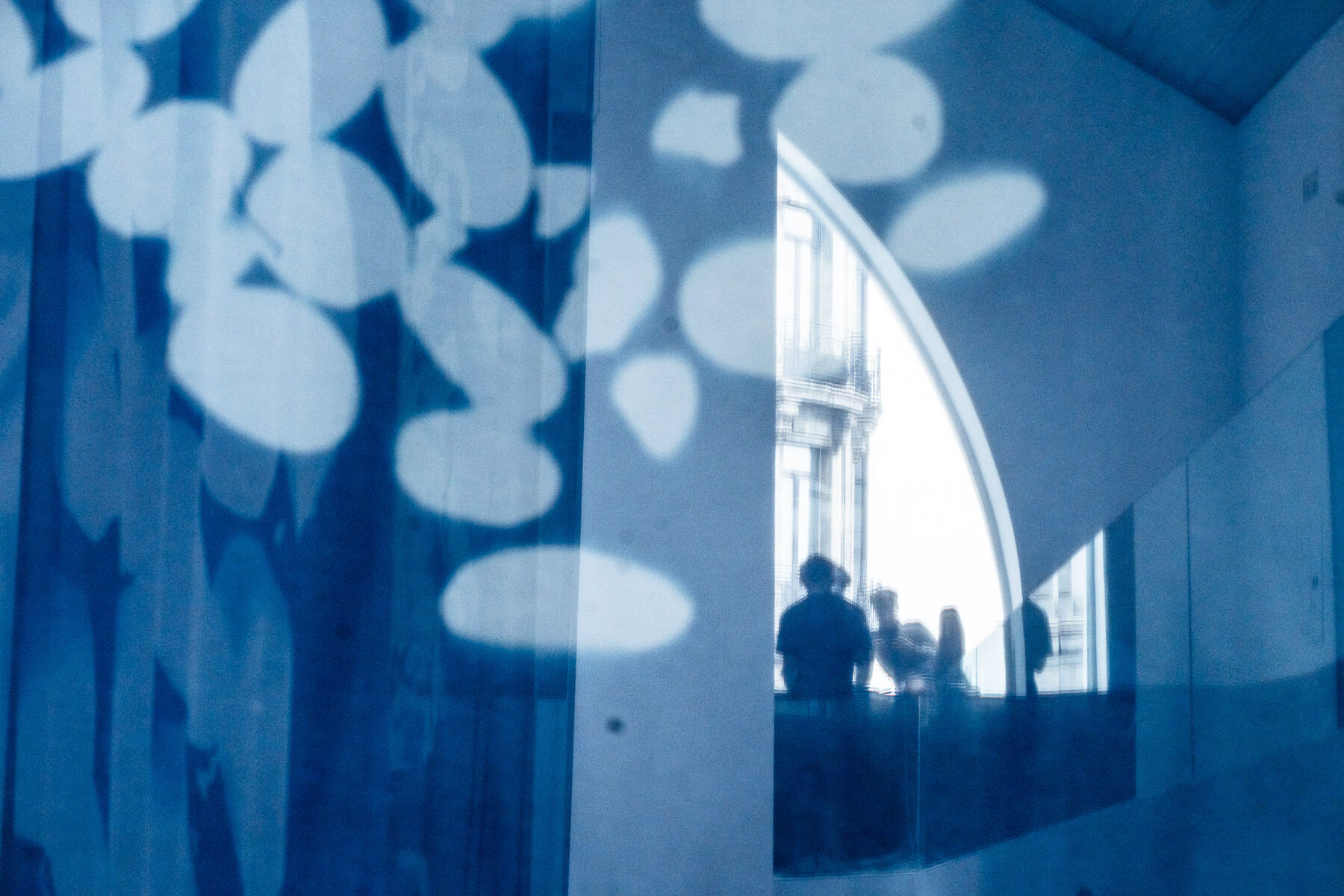
Visually, glass sculptures filled with pond water, collected as part of Pevere’s research for the POUNDER project [1], were suspended from the ceiling. They let what lies beneath us in nature meet us at eye level, forcing us to acknowledge what we usually ignore. Sound waves created by transforming this same pond water (including bacteria and pollutants) through environmental DNA metabarcoding made what is usually unheard audible.
Here, we listened to the symphony of microscopic interactions. In act one, we heard the sounds of environmental DNA data of bacterial populations from 40 Berlin ponds. In act two, we heard singer, composer, and performance artist Dorian Wood’s voice layered over itself, with each bacterial genus corresponding to a different vocal track.
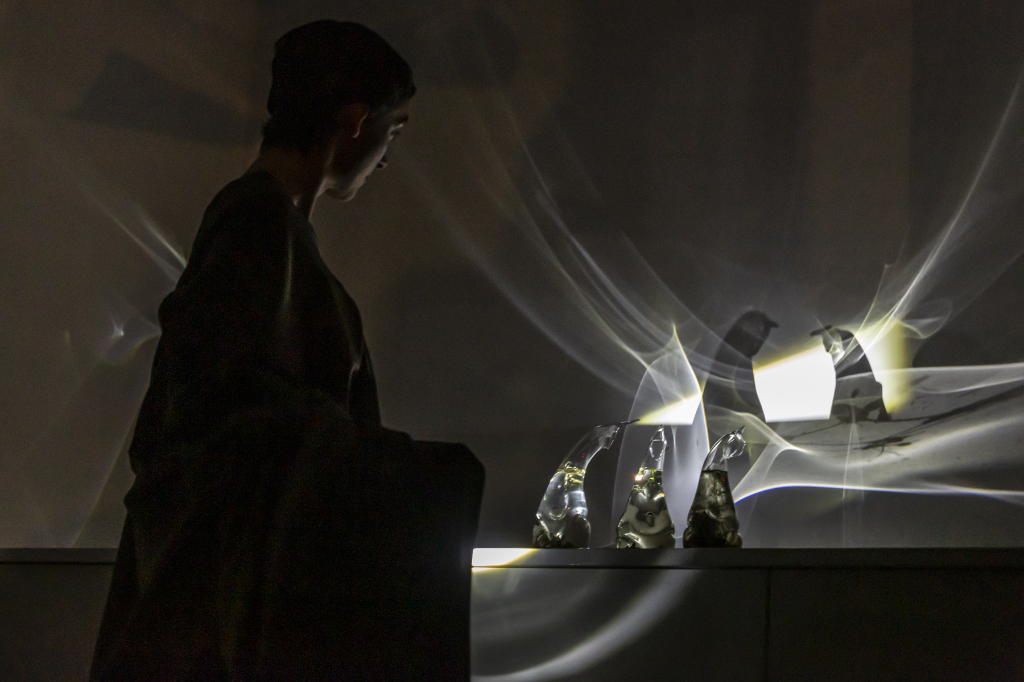
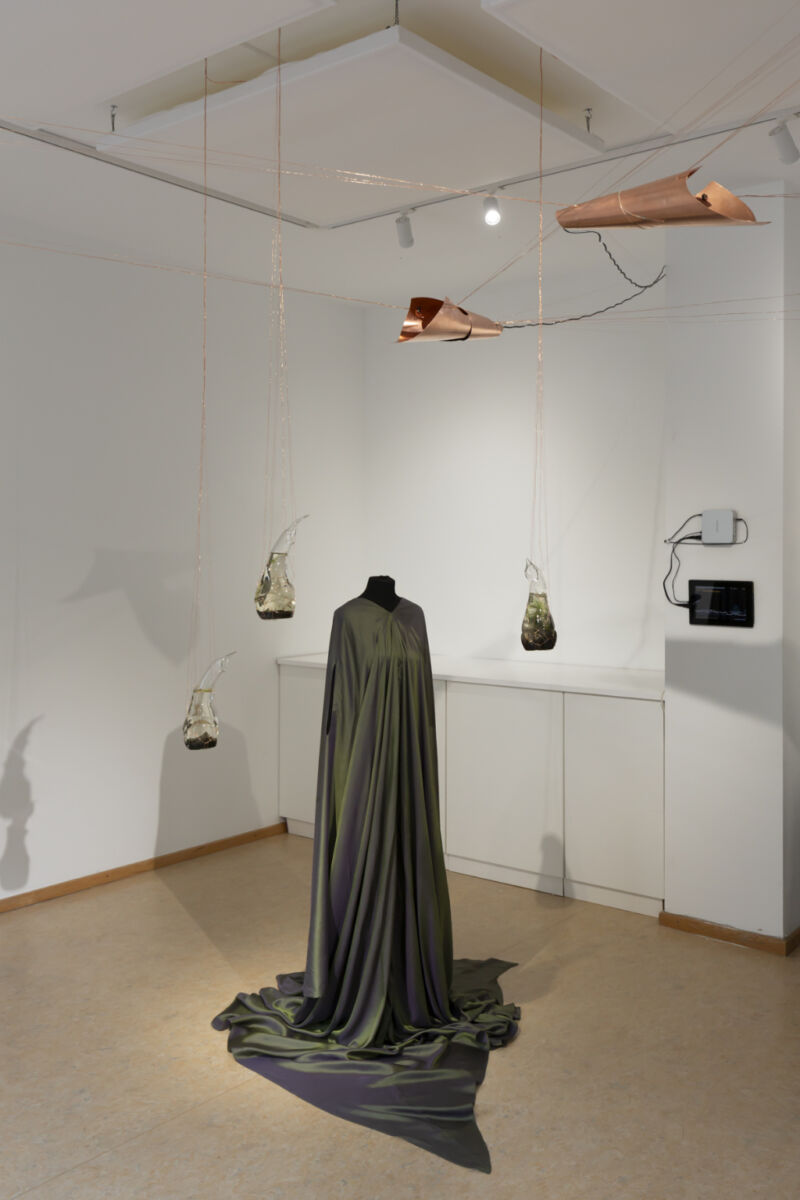
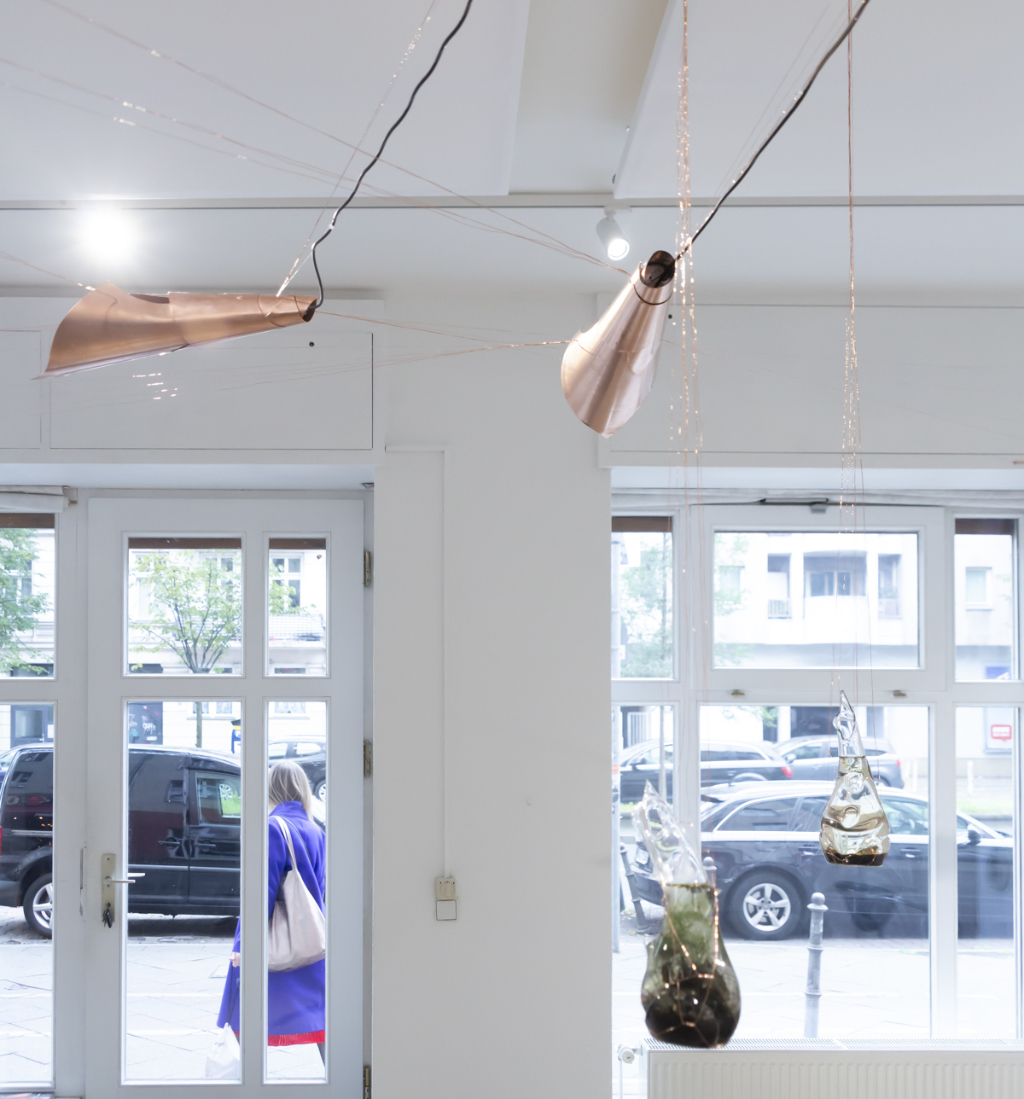
Sound was not the only expression of linear progression. A viewing box with a small peephole also displayed magnified versions of the living samples suspended within the hanging glass structures as they moved. The last element, positioned at the center of the hanging glass sculptures, was a green gown. Pevere would wear it for the official opening, transforming her into a creature from the pond who would invite guests into the spaceship and interact with the other elements of Ode. Those unable to attend Pevere’s performance can still engage meaningfully with her work, encountering Ode in a manner Pevere views as more contemplative, suspended, enigmatic.
While we may be looking at a closed universe, a pond, a spaceship, isolation is not the objective. Facilitating the hearing and seeing of microbial life is. Listening to layers of different sounds, not in isolation but in symphony, lets us hear the microscopic in community, conversing with one another. Ode asks us to think about relationships, symbiotic and parasitic and leaves us wondering if we are truly the host or the parasite.
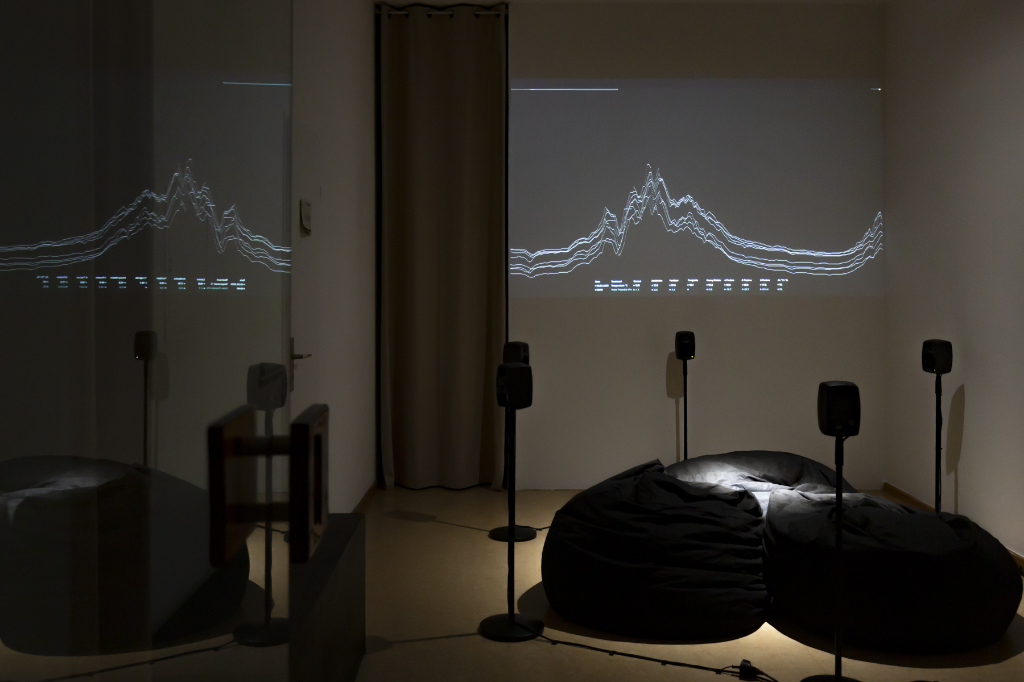
Pevere was not the only artist making the microscopic perceptible. Artist, researcher, and composer Marcus Maeder’s sound installation Change Factors brought us below the surface as soil temperature and humidity data points from seven treated soil plots transformed into sound.
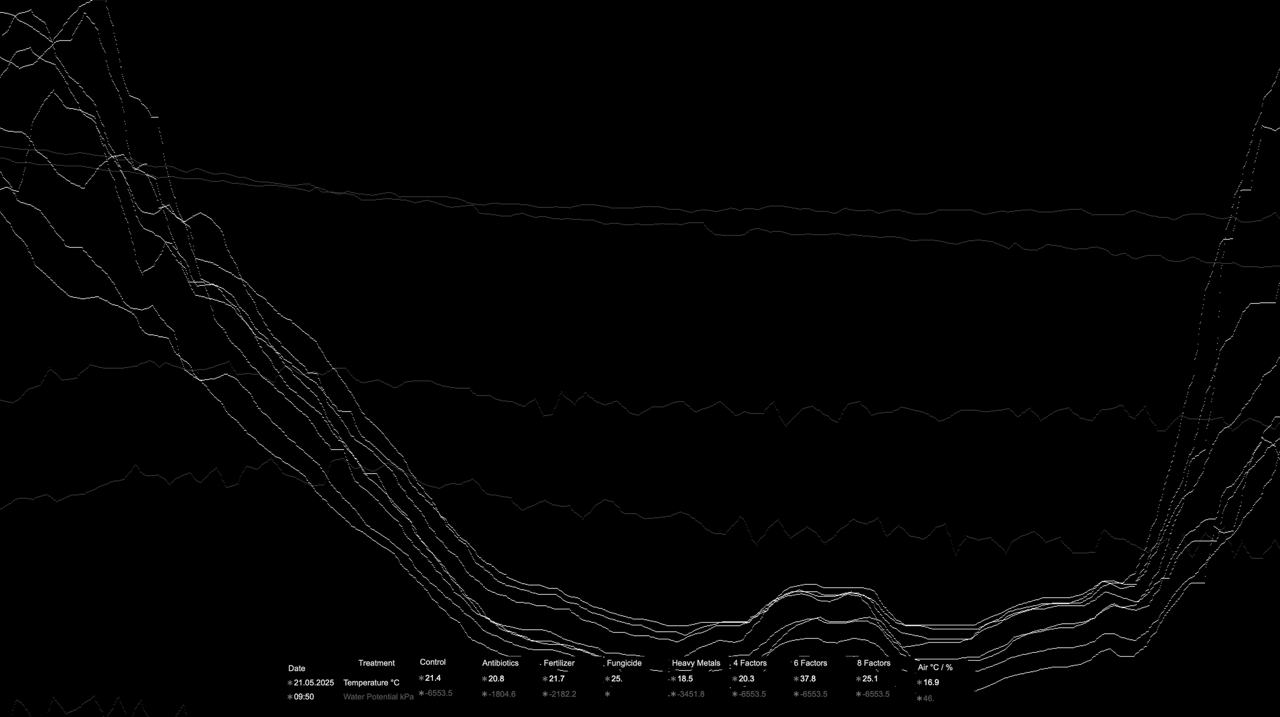
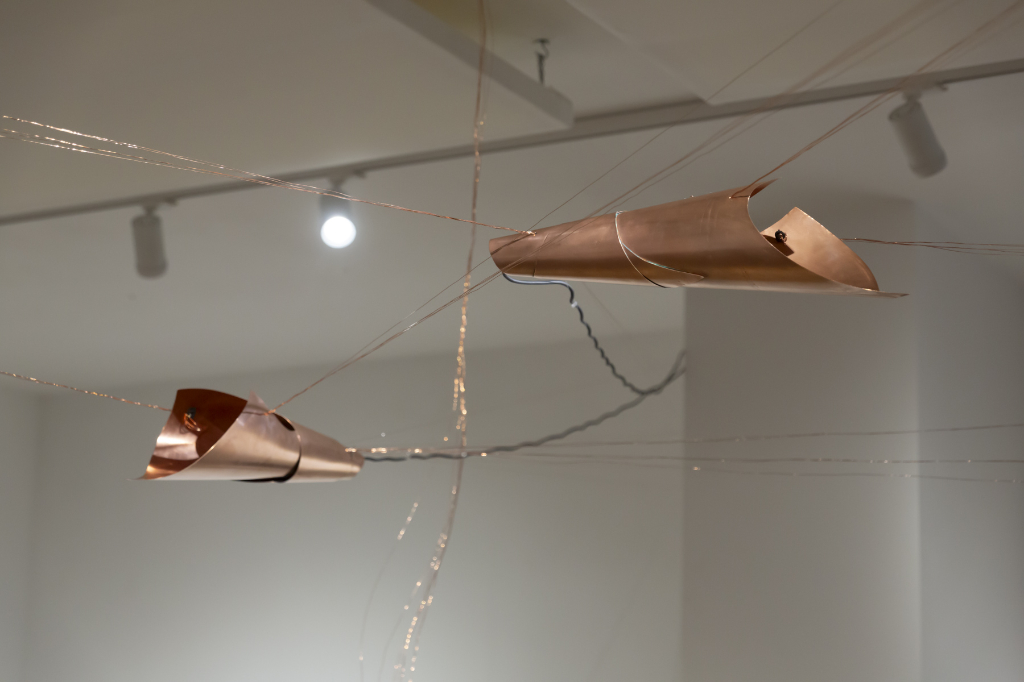
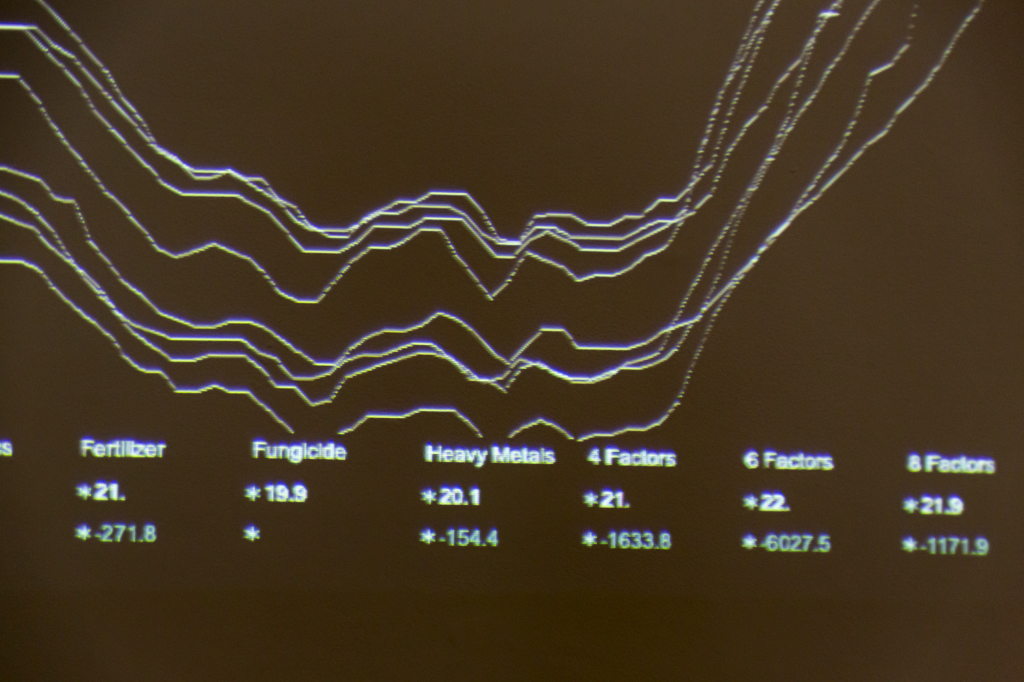
A projected graph let us visually connect what was being played from 6 elevated speakers arranged in a circle. The 16 trend lines showed data collected between May 18 and June 9, 2025 during his residency at Rillig Lab [2], and were accelerated by a factor of 600 based on measurements taken every 10 minutes. This data came from each treated soil plot and one control plot, with each plot represented by a trend line for soil temperature and humidity. The sounds of soil creatures were also audible, though not visually represented.
As both a scientist and an artist, Maeder explained that he was interested in whether science or aesthetics drove the resulting sound for Change Factors. My decisions are based purely on artistic criteria—whether the resulting soundscape sounds interesting to me. In Change Factors, closely spaced but never identical soil temperature readings primarily created beats and pulsations in the pitches…Nature does not speak for itself here; rather, I am creating an expanded experience of nature—or, more strictly, something entirely synthetic that seeks to depict something natural, or rather, our catastrophic impact on the natural environment.
This exposed an interesting tension between the need to manipulate to create conversation at a decibel level perceptible to the human ear and the desire to manipulate for artistic value only, to make the listening experience pleasurable. Maeder noted that placing Change Factors within the exhibition was deliberate, since this work cannot be displayed or made observable outdoors. In this regard, the exhibition space becomes the laboratory where we can isolate what we want to observe.
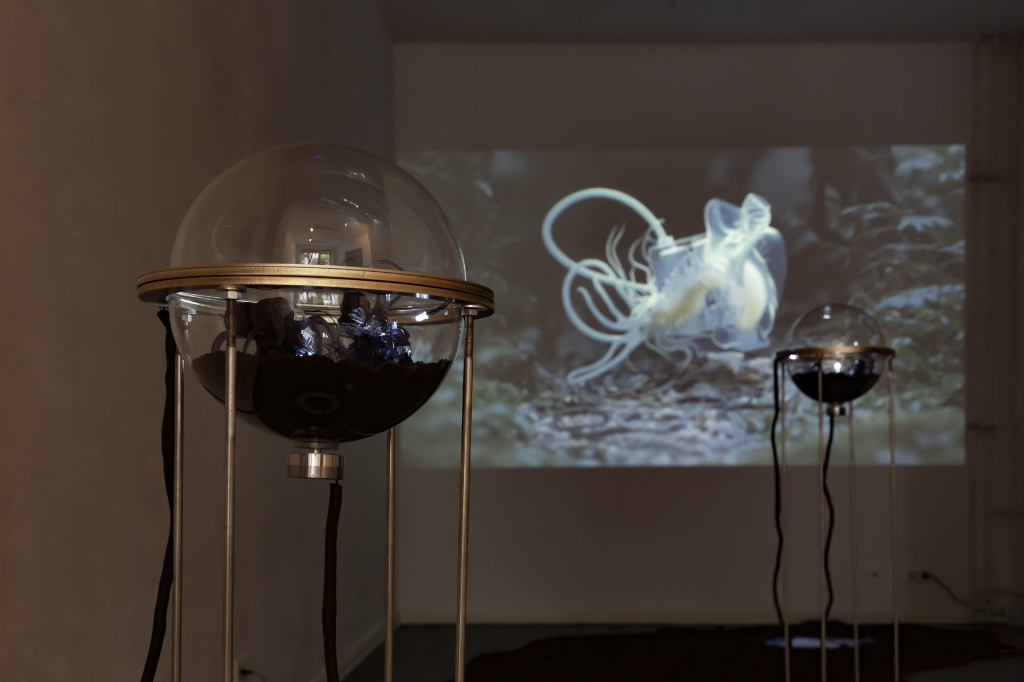
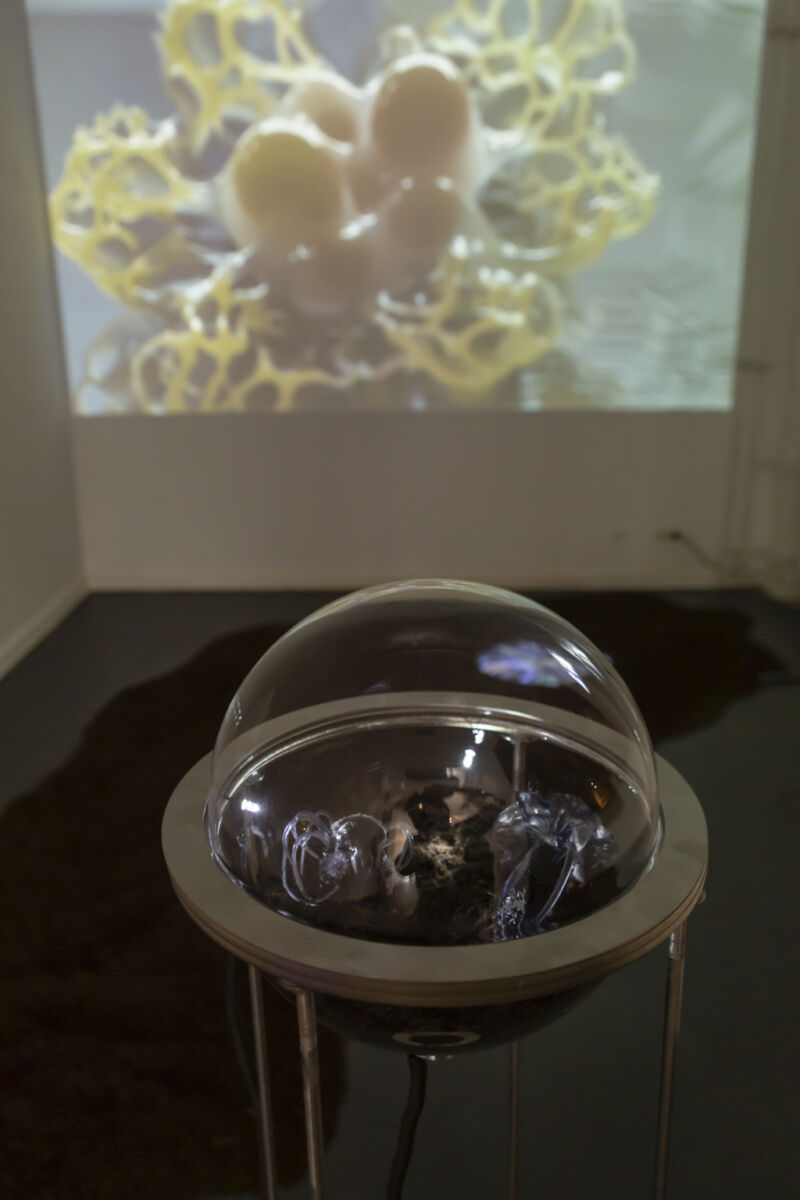
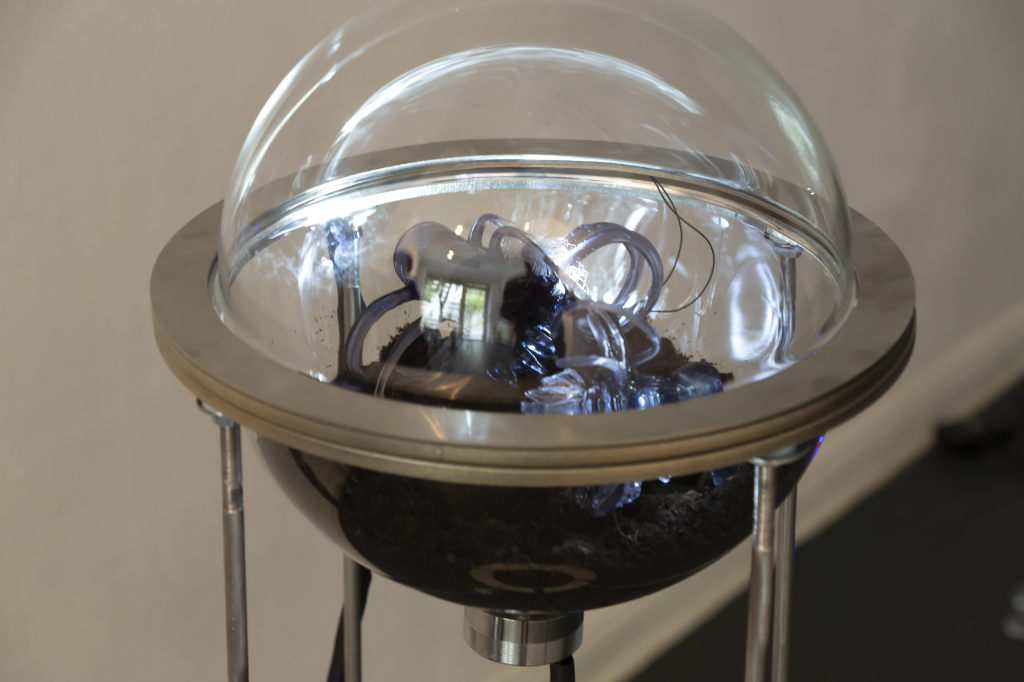
Our exploration of soil and sound continued, as we made our way to the OKK location at Prinzenallee 29. Rather than using data to shape sound artistically, new media artist and researcher Helena Nikonole explores what happens when sound meets soil and its creatures. SonoMetagenomics (2026) asks: When viewed as environmental pressures that may impact how soil microbial communities evolve, do sound and vibration become evolutionary forces?
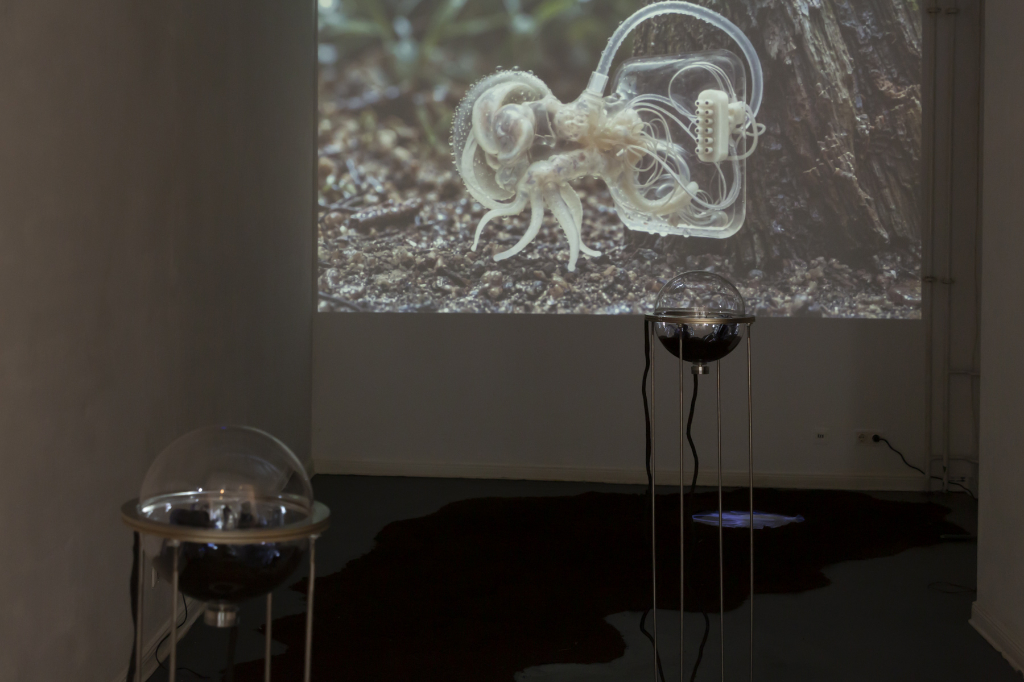
SonoMetagenomics is a speculative representation of a planned scientific experiment that Nikonole is envisioning in collaboration with postdoctoral researcher Álvaro Rodríguez del Río at the Rillig Lab | Plant Ecologies, Freie Universität Berlin. Here, soil samples exposed to extreme noise and vibration, inspired by human-made noise pollution, are compared with soil unexposed to sound. At OKK, two spherical bioreactors displayed soil under the influence of noise. One bioreactor replicated the sounds used in the official experiment, a jackhammer; the other played speculative sounds ranging from military drones and explosions to the hum of AI data centres and the sounds of nature.
Nikonole took this work one step further by introducing speculative organisms within each sphere, further increasing the complexity of interaction between environments, organisms, and stressors. What would sound pollution affect, not only the existing soil communities, but these speculative creatures themselves? What additional sounds might these creatures make?
While the speculative species depicted in the bioreactors were stationary, a projection behind the bioreactors allowed us to experience how these creatures might move and interact with their natural surroundings. These new cyborgian life forms evolved from Speculative Species Evolution (2025), in which Nikonole explored how life might evolve under Anthropocene-specific conditions.
Speculation sits at the heart of much of Nikonole’s work, and for good reason: I want my work to have real scientific value and to communicate new ideas through an artistic language people can access … conceptually … [and] … aesthetically. The experiment produces knowledge, and the installation produces an experience and a speculation. But the artistic part of the project can go where science can’t yet: it speculates about sound as an evolutionary force, controlled evolution, and the creation of cyborgian systems.
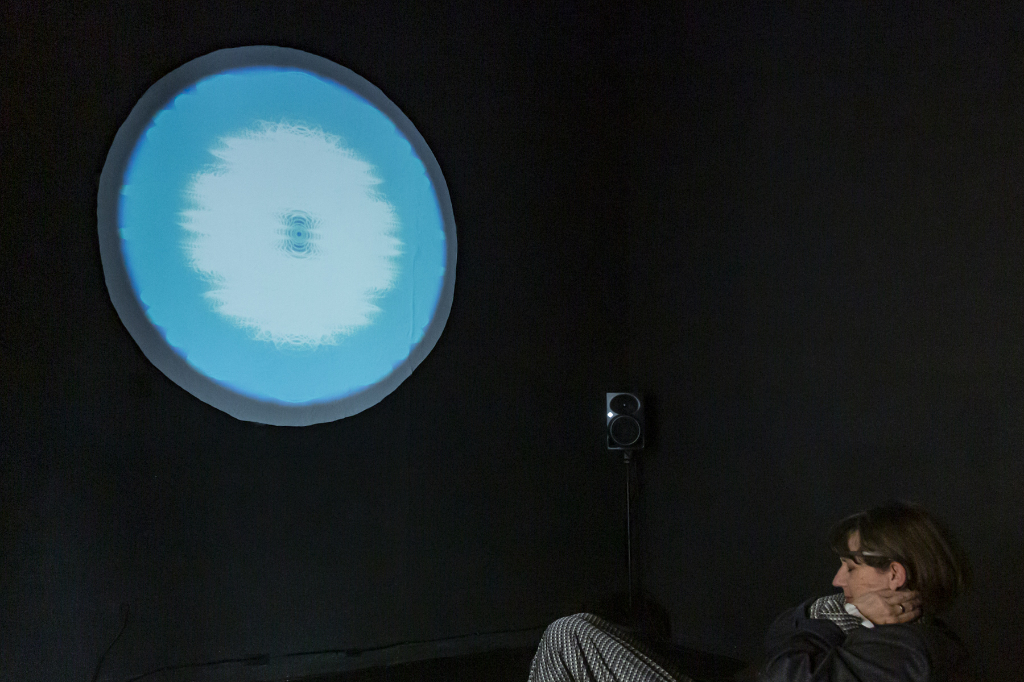
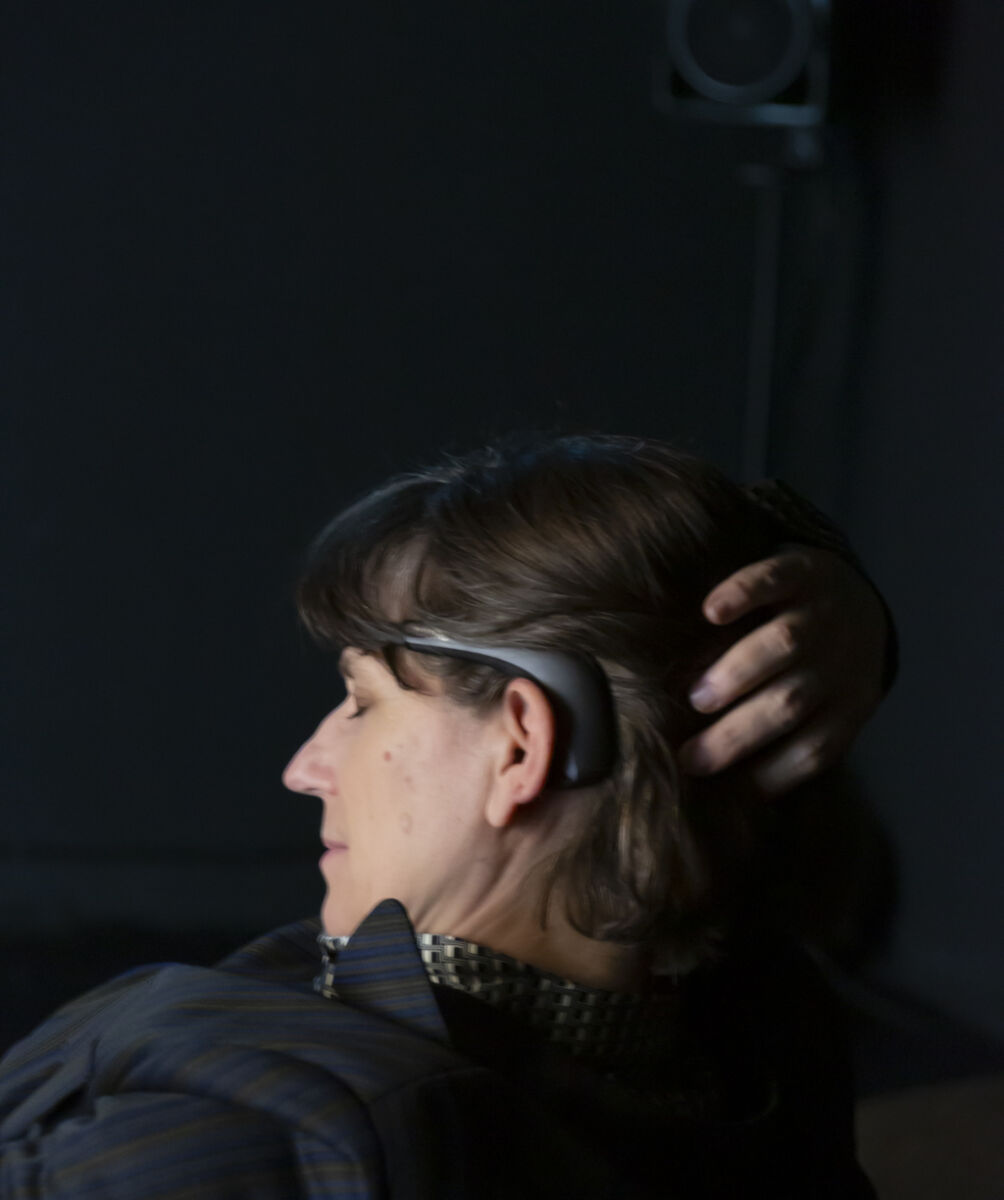
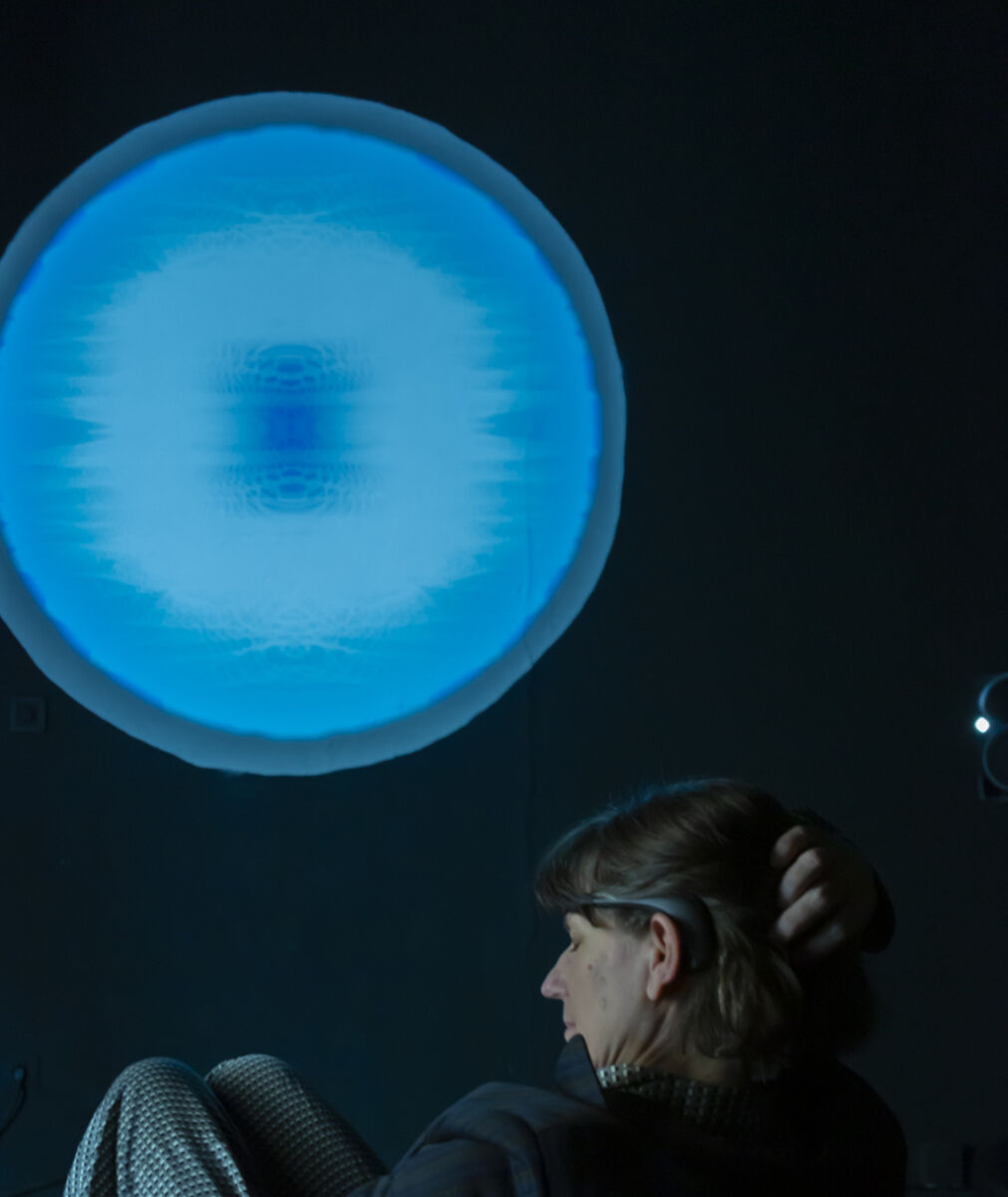
Artist and composer Julius Holtz showed his generative audiovisual installation COMMON GROUND (2026) at the CHRYSALIS exhibition. In collaboration with scientists from the Bernstein Center for Computational Neuroscience and the Institute of Physiology, Holtz’s work also sits at the intersection of sound and state.
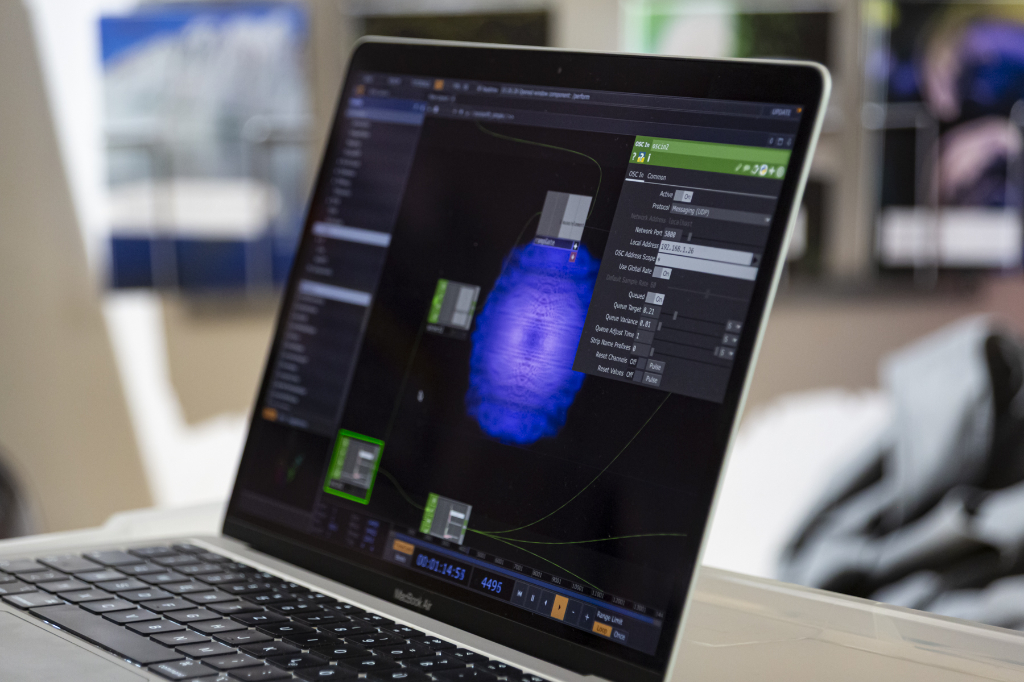
However, rather than exploring the microbial communities around us and how external factors may or may not influence them, COMMON GROUND explored how the human mind state can directly influence sound. Using a brain-computer interface (BCI) for direct interaction, I experienced my mind state both audibly and visually. Wearing the BCI let me externalise what is usually an internal experience. However, through this process, I was confronted with the fact that those around me could also witness this externalisation.
Depending on the person, this feeling of exposure might feel freeing, communal, confronting, or isolating. I also began to ask myself whether I was truly shaping the visual and auditory output, or whether this generative production of sound and light was shaping me. In this regard, as my own brain waves determined the sounds and visuals created, but then that which was being fed back to me (and those around me) was further influencing my state, which in turn influenced the resulting sound and video projections, I had become internalised and externalised, influenced and the influencer, in a complicated feedback loop.
This loop is already known to Holtz, and he can be seen engaging with this complexity in his previous work, Introspective Sound Garden, where he focused on the relationship between the amplitudes of the brain’s alpha and beta waves through one-on-one sessions with participants who experienced how the readings from the EEG device influenced the sound that they were listening to.
As Holtz describes, People’s mental states changing how they experience a piece of contemporary music proved the existence of a sensory feedback loop. COMMON GROUND extends this feedback loop by incorporating a visual channel alongside the auditory one. These loops are presented in an interactive, performative manner, unlike the one-on-one sessions in Introspective Sound Garden, adding another loop of influence: the audience.
Each project, when viewed in isolation, raises unique questions and offers different entry points for engagement. Viewers can choose to explore the works artistically, scientifically, or interdisciplinarily. After all, any viewer can engage with what is presented as they see fit. What stands out to me is CHRYSALIS. ARTISTS IN LABS’ strength as a residency lies in facilitating polyfunctionality; without it, the interdisciplinary nature of each work would be incomplete. At the intersection of art and science, we recognise a symbiotic relationship. Science gains artistic purpose, and artistic exploration raises questions and creates space to think outside the lab.