Text by Eleni Maragkou
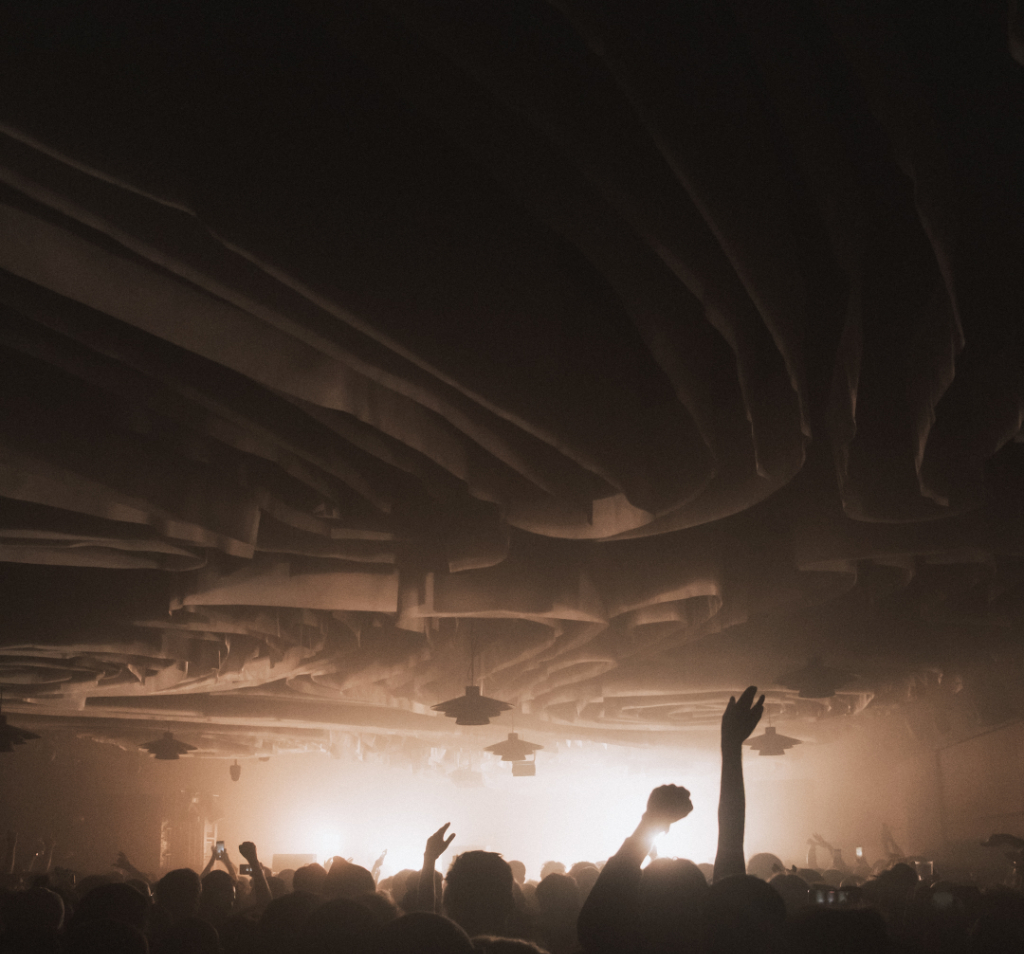
Equal parts invitation and dare, Lunchmeat Festival’s calling card is a cheeky mantra: See You Dancin’. This September, the festival returns to Prague for its seventeenth edition, opening at the famed club Ankali and then unfolding over four nights deep in the basement of the National Gallery’s Trade Fair Palace. The promise remains: dancing. Yet much of what fills these rooms resists the dance floor entirely.
Lunchmeat began in 2010, filling a gap in a city then saturated with drum and bass [1], a scene with its own pulse, but a narrow one. The founders set out to widen the field. Even the name is a kind of thesis: born from a collective working across programming, motion, and graphics, folding sound and image together until neither could be called the other’s servant. Sixteen years later, that original urge has become the festival’s guiding method. Its heart is the commission: this year, five Lunchmeat-curated audiovisual works, four of them world premieres. Each pairs a musician with a visual artist, often for the first time, to create something neither could have made alone.
Most festivals assemble names, arranging familiar acts for maximum draw. A commission is something else entirely: a wager on chemistry that does not yet exist, placed months or even years in advance, on work no one has seen. Commissioned works are the festival’s most important cornerstone, and from the very beginning it has aimed to put the sonic and visual elements on an equal footing, say Jirka Kredenc and Jakub Pešek, the festival’s curators.
Lunchmeat is all about creating conditions for artists to think beyond their usual boundaries, to step past the edge of what they know: We strive to create the right conditions for artists to think about their creation in an expanded context beyond their standard practice, thereby pushing the boundaries of their artistic approach a step further. In practice, the festival’s central act is a bit of matchmaking, pairing KMRU’s tectonic ambience with Nick Verstand’s kinetic light, inviting Buena Tarde and ztaa to build a piece about brutalist architecture across continents, trusting that Woesum and Guz Reichwald’s shared history will spark something live. When it works, the result feels inseparable from the festival itself, something a touring set could never offer. When it doesn’t, the risk is Lunchmeat’s, and they take it with eyes open.
Architecture as co-curator
The festival opens at Ankali, a former soap factory that a group of locals converted, some years ago, into one of Prague’s few independent electronic music venues. Ankali was built, in its founders’ telling, out of the need for a permanent and self-governed place for locals. It sets the tone for what follows: raw, industrial, community-made rather than programmed from above.
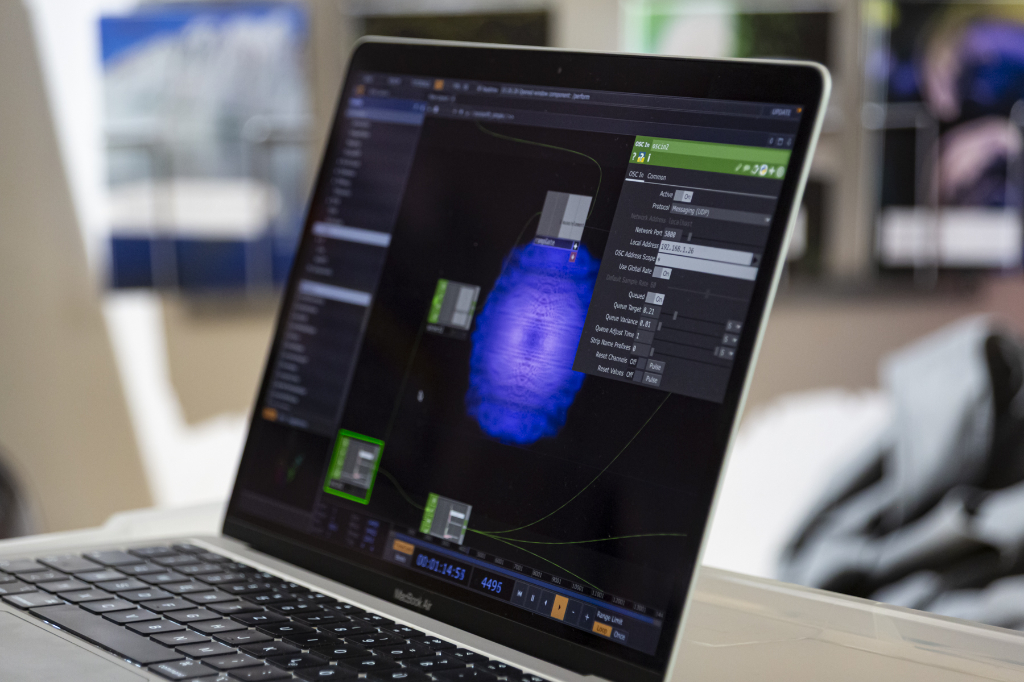
Across town, the basement of the functionalist Trade Fair Palace is an ideal venue for a festival, offering a raked floor that can cradle a seated crowd or hold a standing one, and raw concrete walls that, for a few nights, become a black box. Here Lunchmeat builds its technical world from scratch each year. This is a blank canvas waiting to be filled, which opens up unlimited possibilities for the creativity of the projects.
Built between 1925 and 1928 by Josef Fuchs and Oldřich Tyl, the Trade Fair Palace was, on opening, the largest functionalist building in the world and the first of its kind in Prague, a monument to the commercial optimism of the young Czechoslovak Republic, put up for the international trade fairs it was named after. It survived a near-fatal fire in the 1970s and, from 1976, became home to the National Gallery’s modern and contemporary collection.
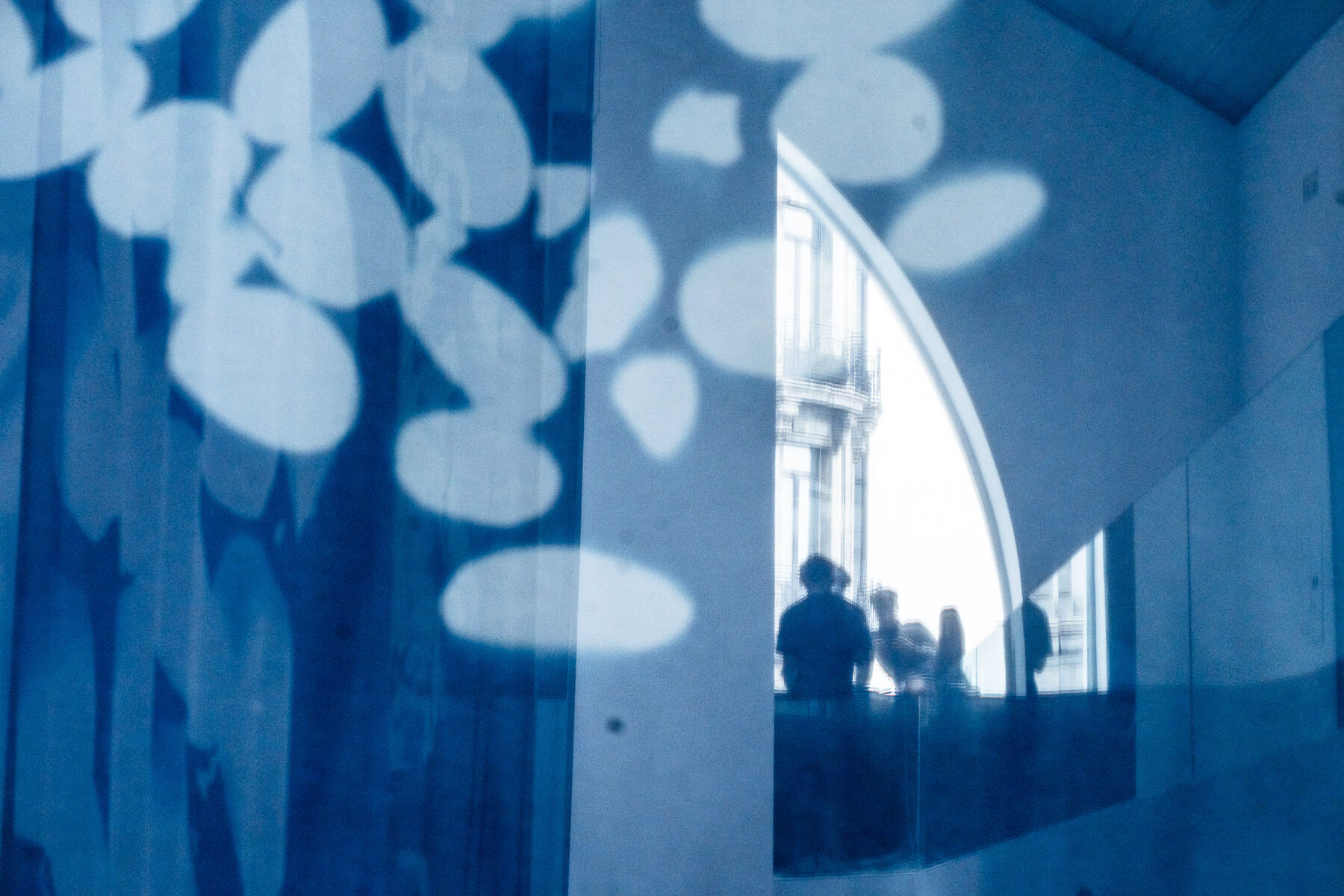
The choice of a gallery basement can’t be accidental. Staging these works inside a modernist museum reframes them, subtly but unmistakably, as new media art as much as nightlife, as something to be regarded. Here, the architecture itself, more than any wall text, tells you how to pay attention. Each of the two stages carries its own specifics and limitations, and these, Jirka Kredenc and Jakub Pešek say, from the very beginning determine the mood or energy of the selected shows.
Some works have been in production for more than a year, and these become what they call anchor points: fixed weights around which the rest of an evening’s mosaic of slots is arranged. The programming, then, is less a strict schedule than a fluid composition: formats of visuality, music education, and technology weighed against one another until each night takes shape as a story the organisers want to experience themselves alongside the visitors.
More than dancin’
Which brings us back to dancing, and why the festival’s banner sits at a curious angle to the programme beneath it. Many festival audiovisual projects have a clearly defined narrative and are not always dance-floor-oriented material, Jirka Kredenc and Jakub Pešek explain. They often serve as an impulse for reflection and the formation of a subjective opinion.
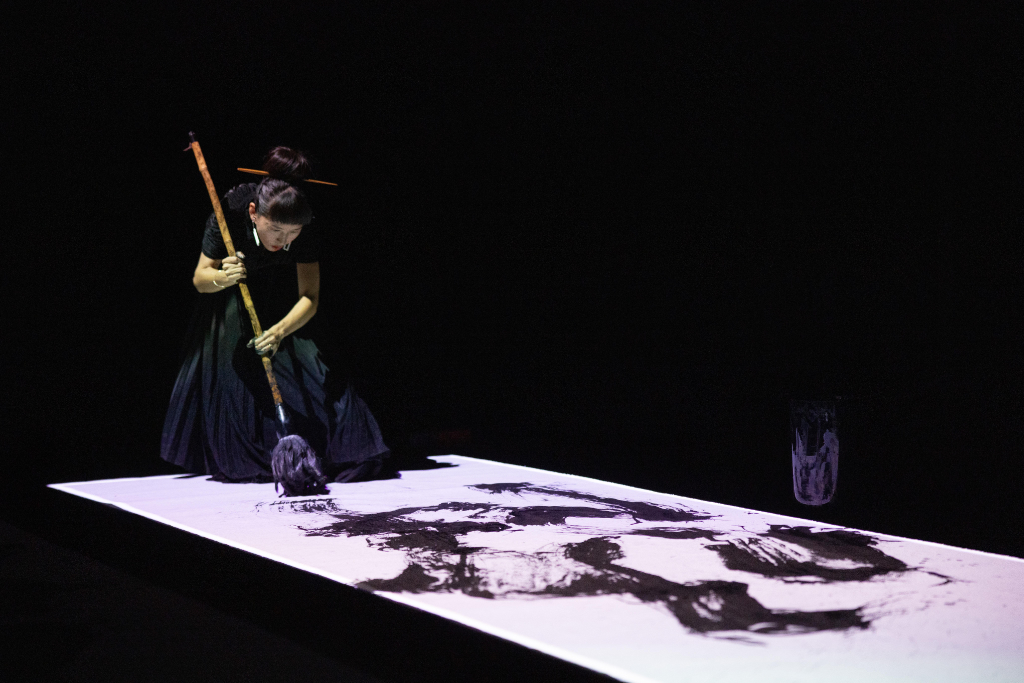
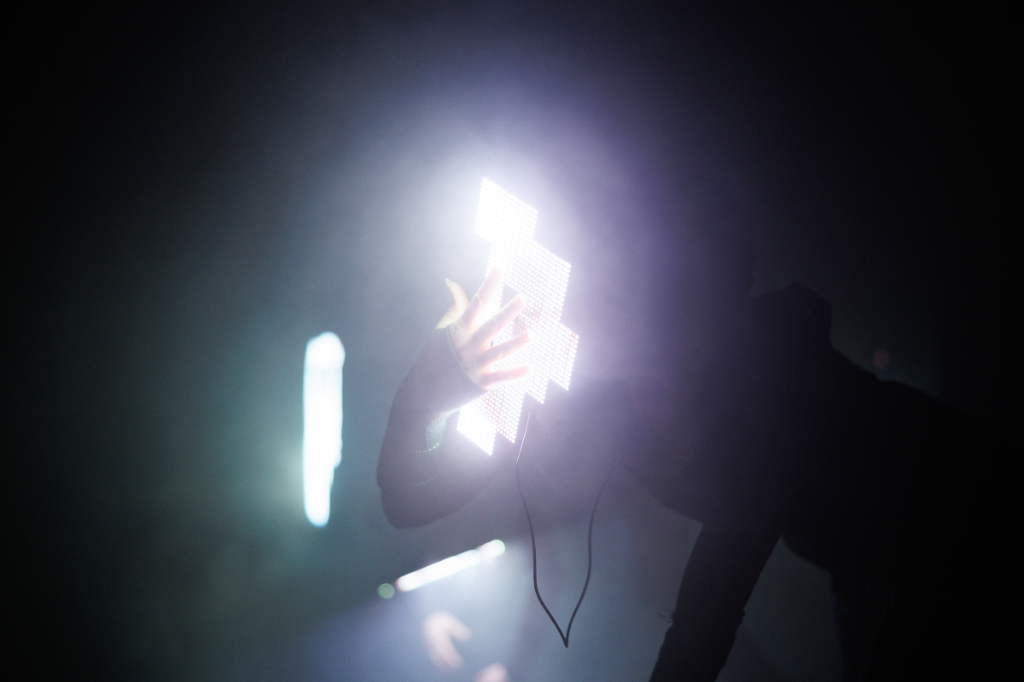
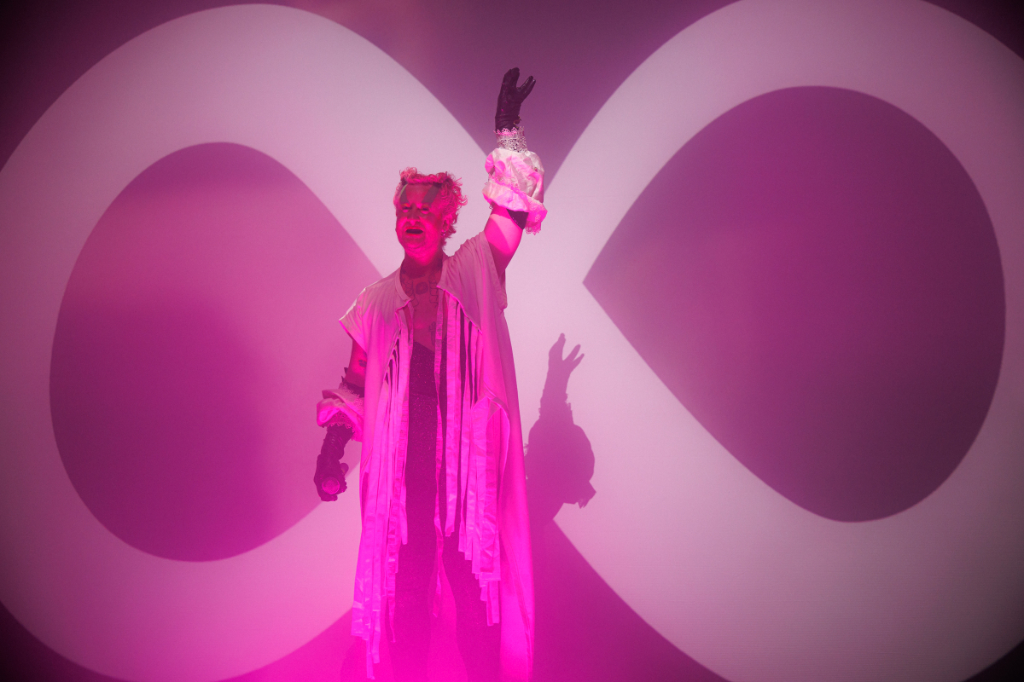
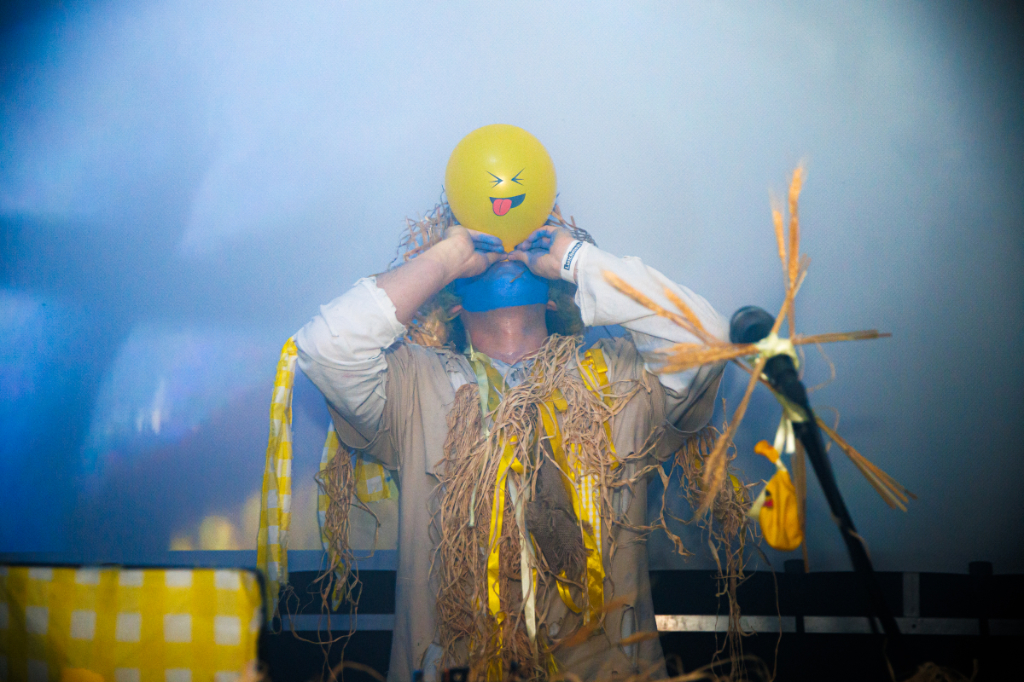
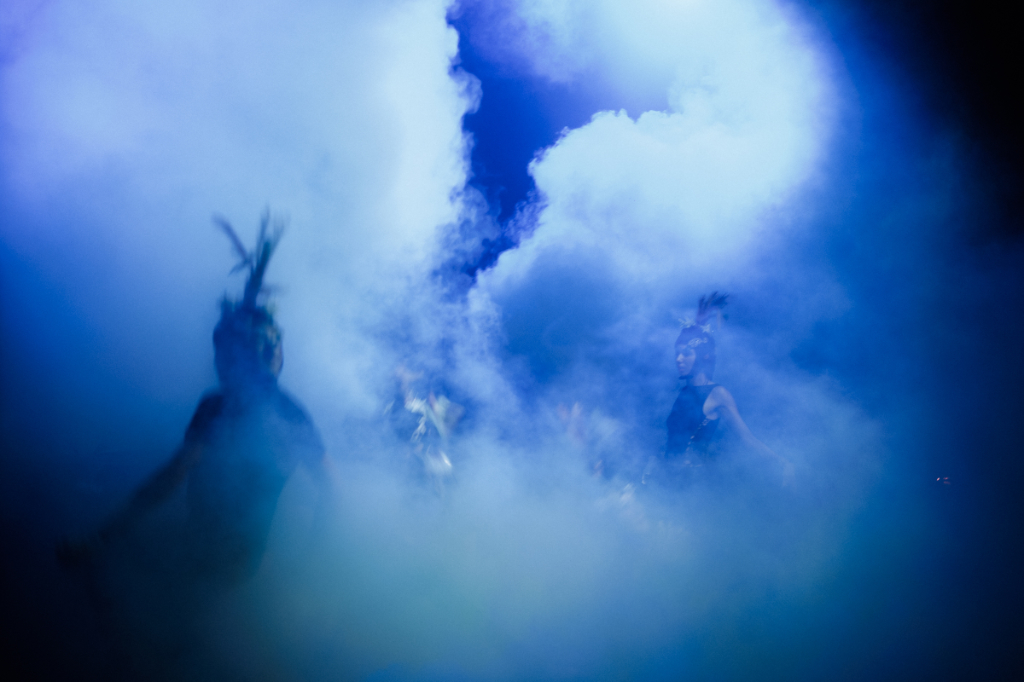
A cinematic walk through a forest by Kevin Peter He and FITNESSS; Miriama Kardošová’s I Tell Her To Speak, folding club performance into avant-garde theatre with handmade masks and a hint of cabaret; Isama Zing and DJ Gäp focusing on lights, fog, and strobes as if these were the bodies on stage – none of this asks for the surrender the dance floor demands. Instead, it asks for attention held at a slight distance, the posture of the gallery rather than the club.
The festival names this discursive strand openly in its Symposium, but it would be a mistake to confine the thinking to that space alone. Regardless of the formats it uses, whether a community showcase of local labels, panel discussions, seminars, or film screenings, [the Symposium] is always a form of sharing ideas or viewpoints, Jirka Kredenc and Jakub Pešek explain.
The reflective impulse runs through the entire programme, and the Symposium is simply its most visible form: a way of making clear that Lunchmeat treats sharing ideas as inseparable from sharing a beat. This festival has always refused the usual hierarchy between the two. No headliners, no support acts – its own long-standing formulation – and beneath that, no fixed order between dancing and looking, between the body given over and the mind switched on.
A genre-agnostic conviction
What binds the seventeenth edition is not a genre or a sound. The lineup stretches from guaracha fused with acid and techno, to hypnotic ambient, deconstructed club, dream-pop, punk-and-rap, and high-energy Latin dance – a range that, on paper, might seem like variety for its own sake. The real thread is a stance: electronic music deserves space, to be premiered rather than repeated, and to be staged in a room that asks you to look as intently as you listen. The organisers say they try to imagine each evening as a story they want to live through themselves, alongside the audience.
Autechre will close the four nights in near-total darkness, a set the festival calls once-in-a-lifetime. It is a fitting end, if a little ironic: the most anticipated name on the bill will play in conditions where looking is impossible, leaving only sound and darkness. See You Dancin’.
Lunchmeat Festival returns for its seventeenth edition on September 23–27, bound not by a sound but by a stance and it ends in the dark.