Text by CLOT Magazine
From 21–25 October 2025, Leeds becomes a crucible for radical performance as TRANSFORM25 returns with a programme that feels both urgent and intimate, echoing the festival’s reputation for pushing boundaries across theatre, dance, and installation. Transform is the UK’s leading festival for inclusive, international performance. The festival nurtures, creates and presents extraordinary, cross-disciplinary performances with the power to change the way we see the world. Drawing on the rich cultural diversity of the Leeds City Region. This edition interrogates embodiment, identity, and the politics of storytelling through artists who move between performance, activism and experimental poetics.
Curated by artistic director Amy Letman and her team, TRANSFORM25 is framed by the provocation “Who will tell the story of those condemned to silence?”, a question that permeates the festival’s five-day arc. Letman has described the programme as a meditation on endings and transformation, and fo example, opening the festival with her epic solo performance Rinse, Australian performer and choreographer Amrita Hepi muses ‘why is it, when something is about to end, we begin to want to save it “why is it, when something is about to end, we begin to want to save it?” This thematic tension—between loss and persistence, silence and expression. True to its ethos of accessibility, all events are Pay What You Can, reinforcing the sense that this is a collective experience rather than an exclusive one.
The city of Leeds itself becomes an active collaborator. From theatre stages to public markets, TRANSFORM25 unfolds as an act of occupation and reclamation. The Young Curators, a collective of local creatives, have shaped several of the festival’s activations, notably An Olive Tree: A Living Archive at the historic Kirkgate Market—an open installation inviting visitors to leave messages, images, or reflections on belonging and memory. This participatory structure situates Leeds not merely as a backdrop but as a co-author of the festival’s narrative, allowing citizens to inscribe their own voices into the performance ecology.
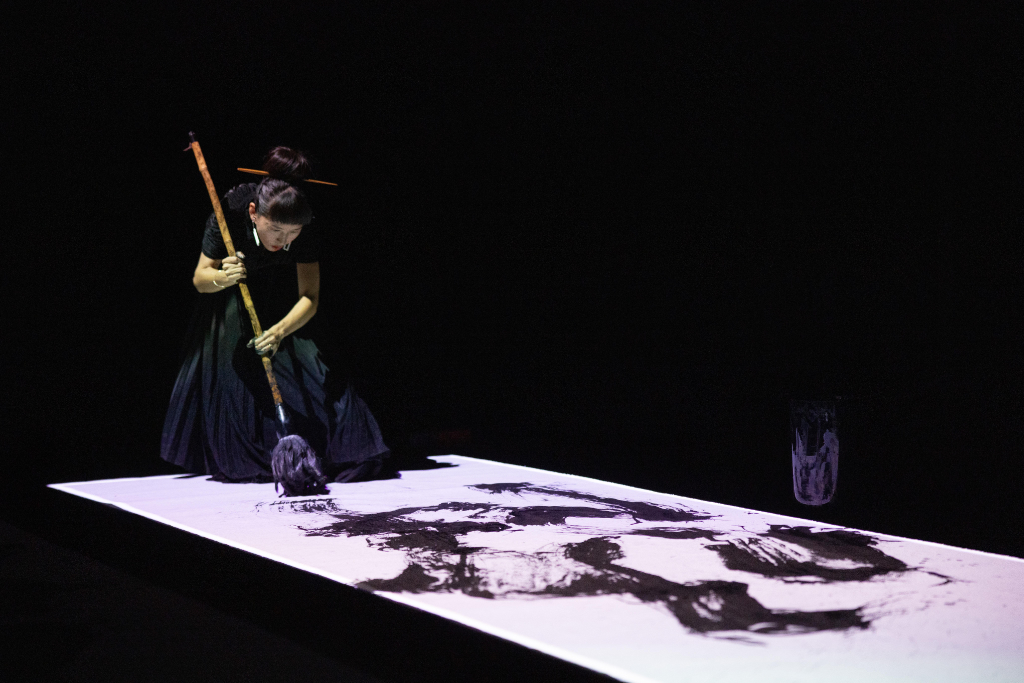
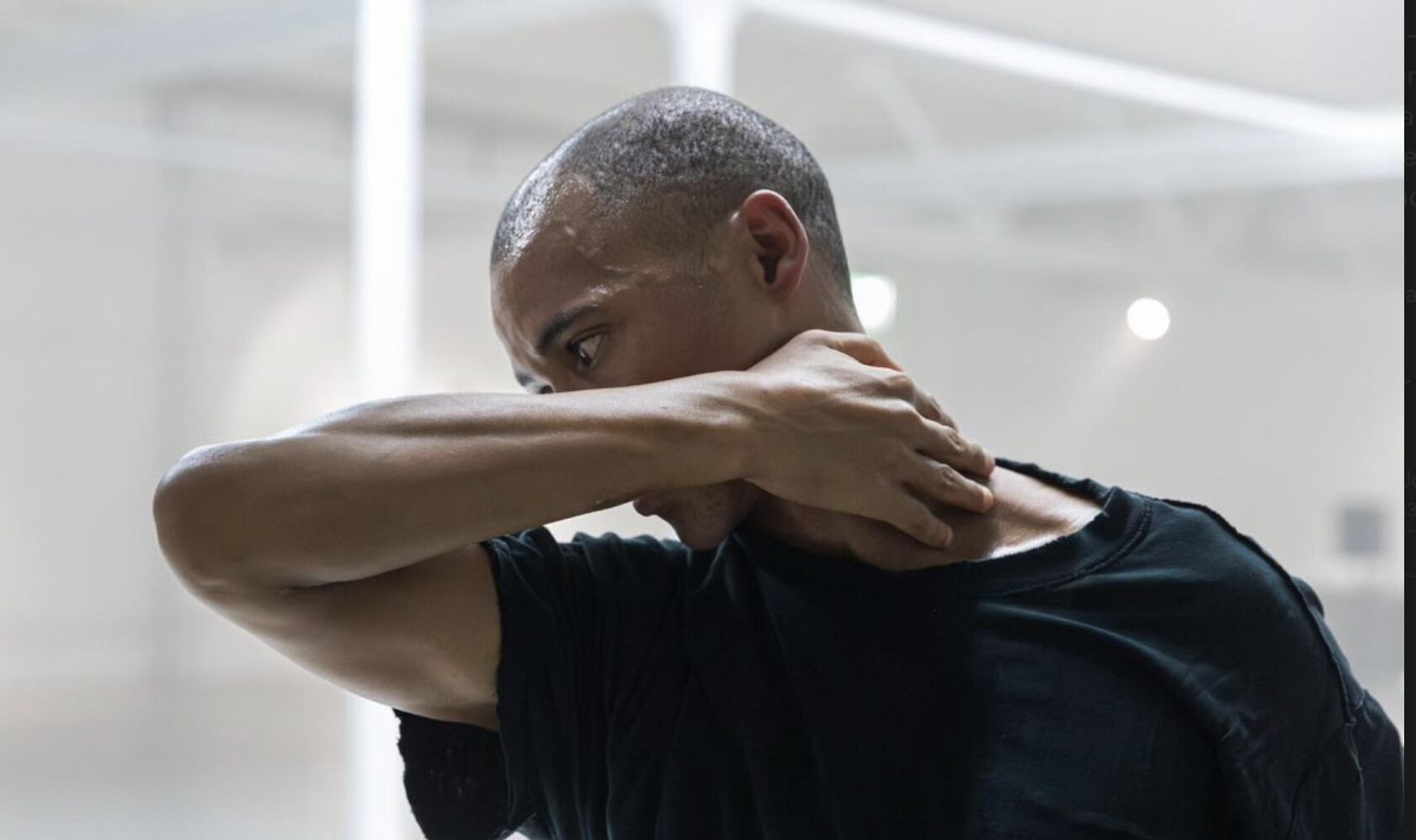
The festival opens with Amrita Hepi and Mish Grigor’s Rinse, a solo work exploring cycles of rebirth and the poetics of letting go. Drawing on cultural inheritance and personal mythology, Hepi’s performance fuses bodily language with conceptual reflection, setting a tone of vulnerability and confrontation that ripples through the week. Sharing the opening night is Tiran Willemse’s blackmilk, a hypnotic dance solo that dismantles stereotypes of race and masculinity, using physical intensity as a counterspell against containment.
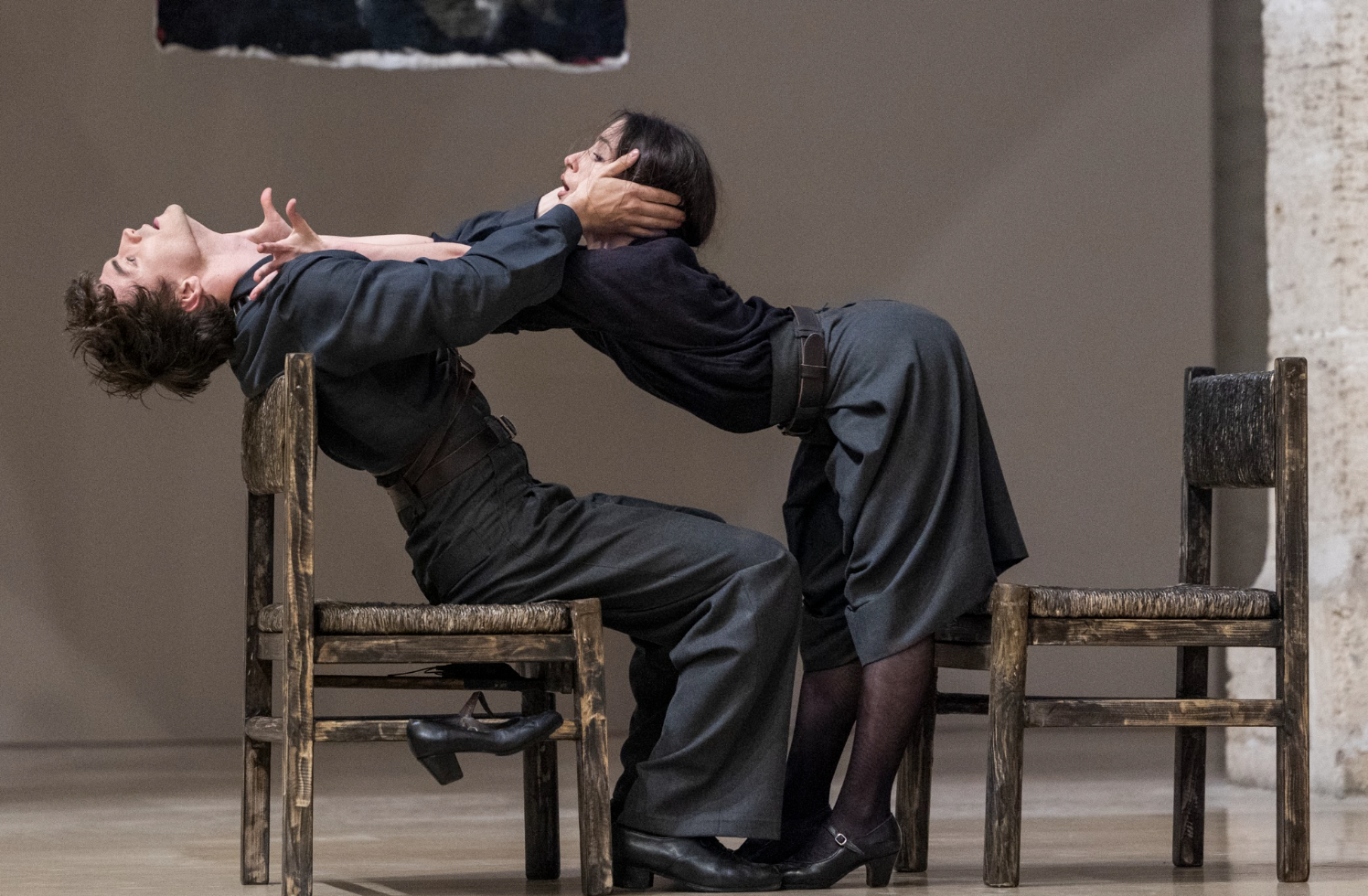
Over the following days, several works stand out for their experimental hybridity and emotional charge. Dan Daw’s EXXY offers a raw and tender exploration of imposter syndrome and self-worth, drawing from the artist’s own queer and disabled experiences to interrogate notions of success and visibility. Basel Zaraa’s Dear Laila continues the thread of displacement and resilience through an installation-performance addressed to his daughter, reimagining home as an act of memory and resistance.
The festival also celebrates joy and collective release through works like Eve Stainton’s The Joystick & The Reins takes a darker, more dissective approach, using movement to expose how fear and suspicion inhabit the body politic. Ira Brand’s RUNNER, performed both inside and outside the theatre, examines endurance culture and the social fetish of pushing the body to extremes, resonating deeply with the festival’s inquiry into limits, resistance, and exhaustion.
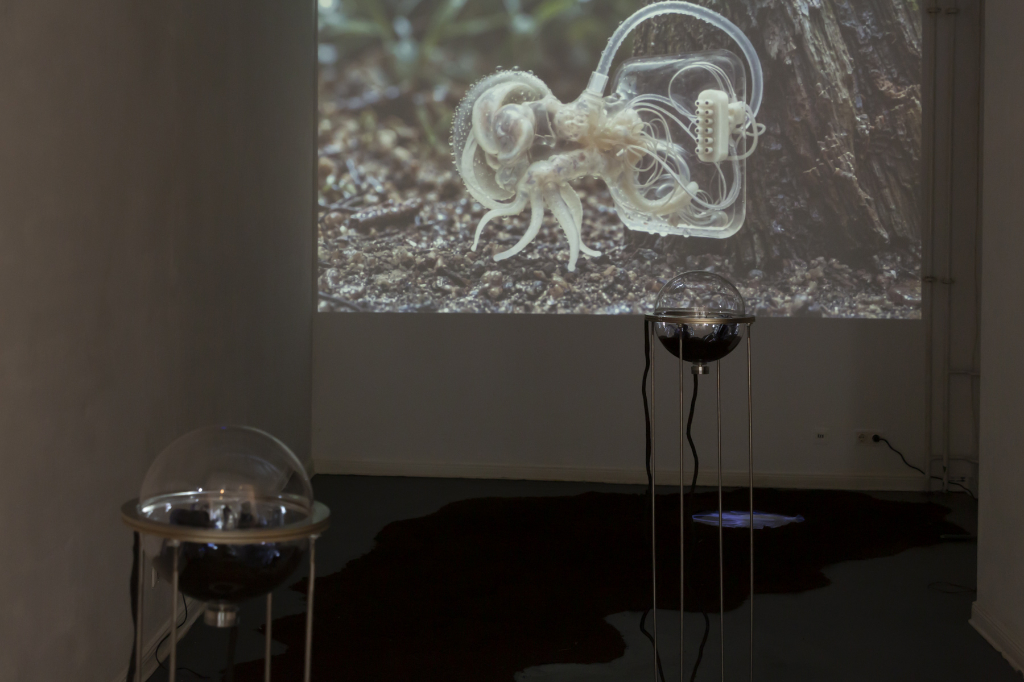
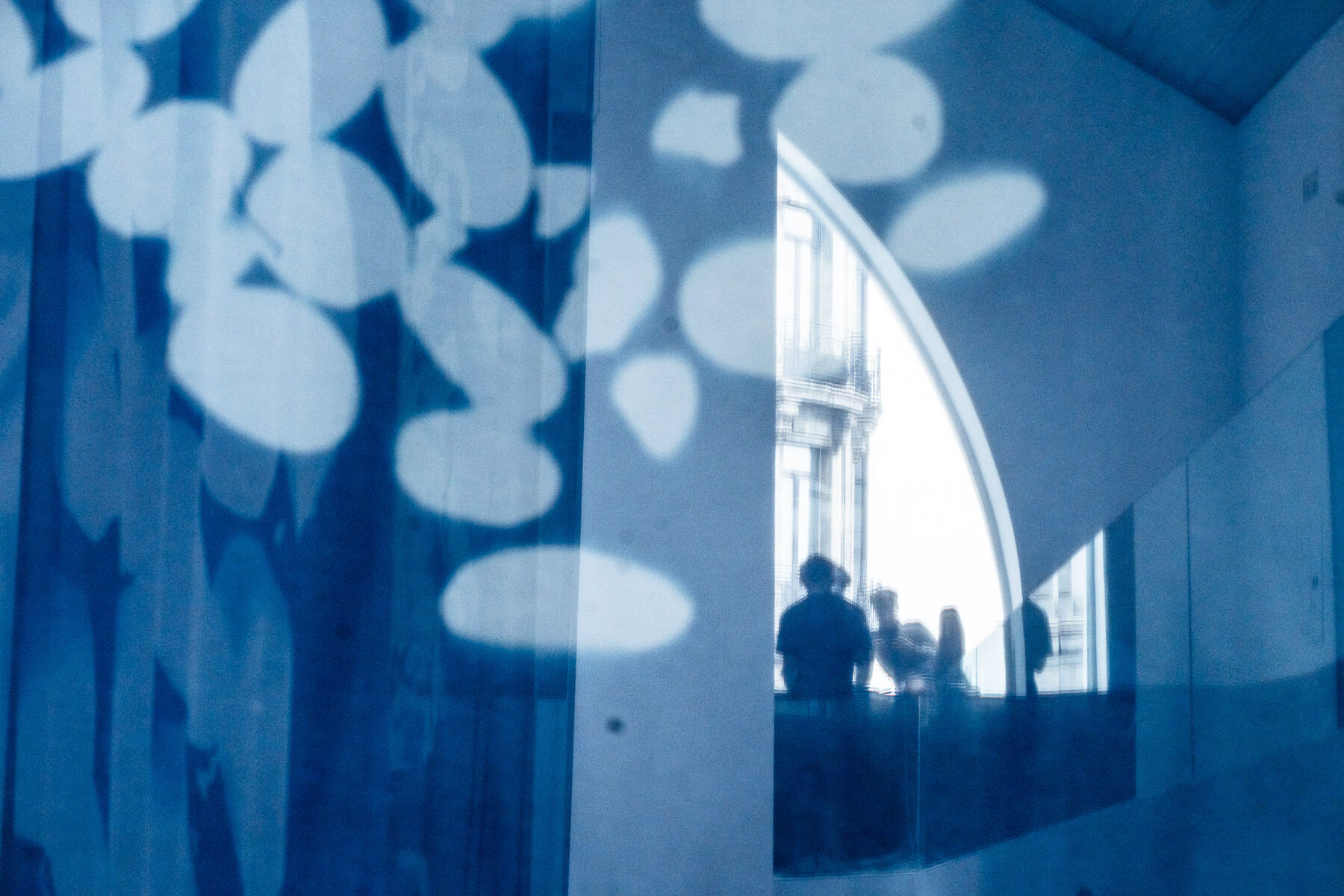
And then we have PERPETUUM, a city-wide video installation that threads through Leeds as a quiet pulse connecting disparate urban sites. Conceived as both a cinematic and sculptural intervention, it unfolds across screens, facades and public spaces, inviting accidental encounters rather than formal spectatorship. The work explores endurance and recurrence — how images, gestures, and memories loop through time, resisting closure. Each fragment refracts the festival’s central inquiry about persistence and transformation: what survives, and what is destined to fade? I
In its shifting presence, PERPETUUM becomes less a single artwork than a living organism, mapping the rhythms of the city and its inhabitants through repetition and decay. It gestures toward the collective body of the festival itself — something perpetually in motion, caught between continuity and disappearance.
Ultimately, TRANSFORM25 emerges as more than a festival—it is an act of cultural archaeology, unearthing silenced narratives while proposing new futures through embodied expression. It offers a rich landscape of inquiry: a meditation on the body as an archive, the stage as a site of resistance, and the city as a living organism of stories still being written. In the words of its curators, this is art about now—restless, porous, and defiantly alive.