Text by Piotr Bockowski
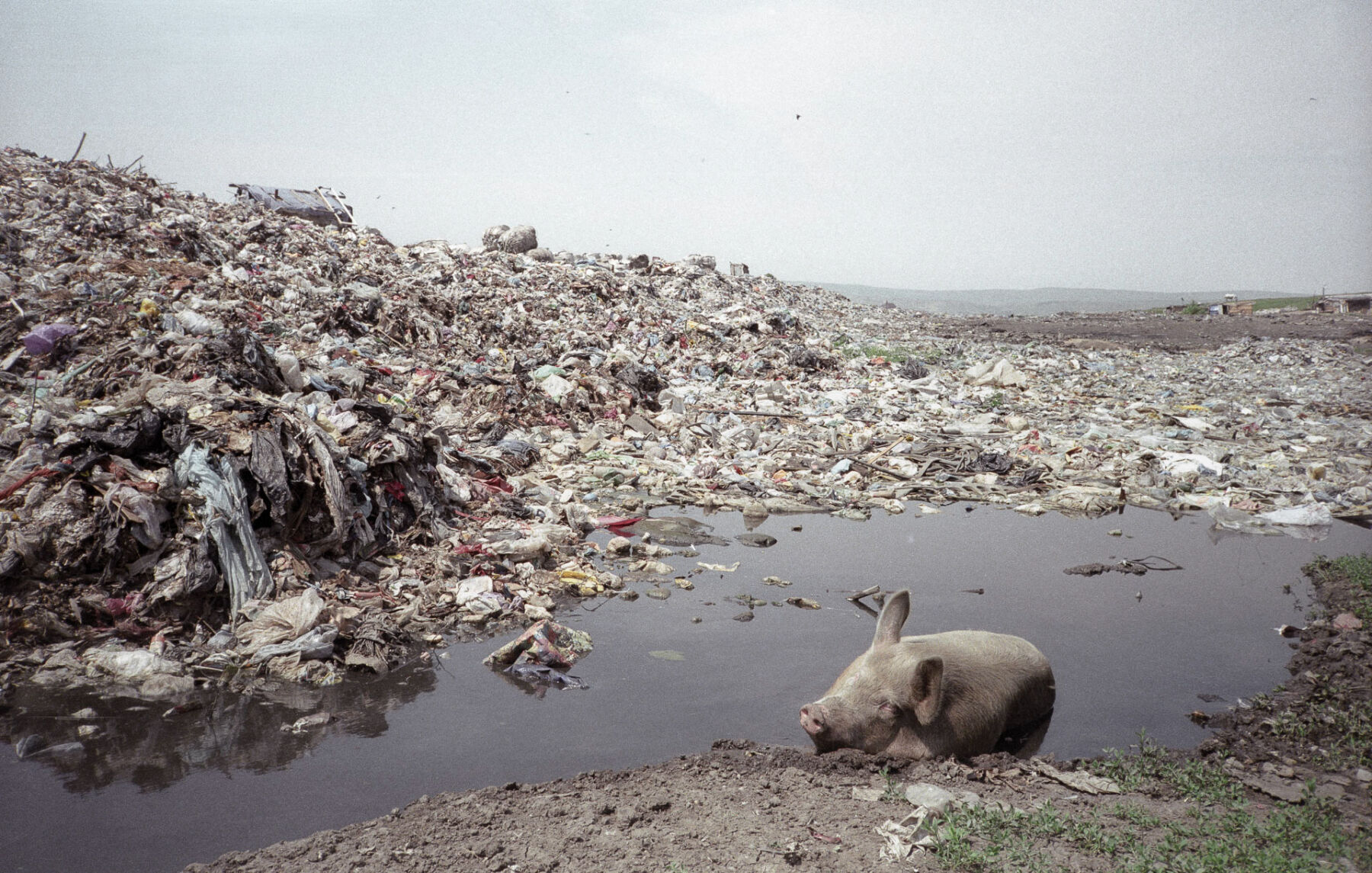
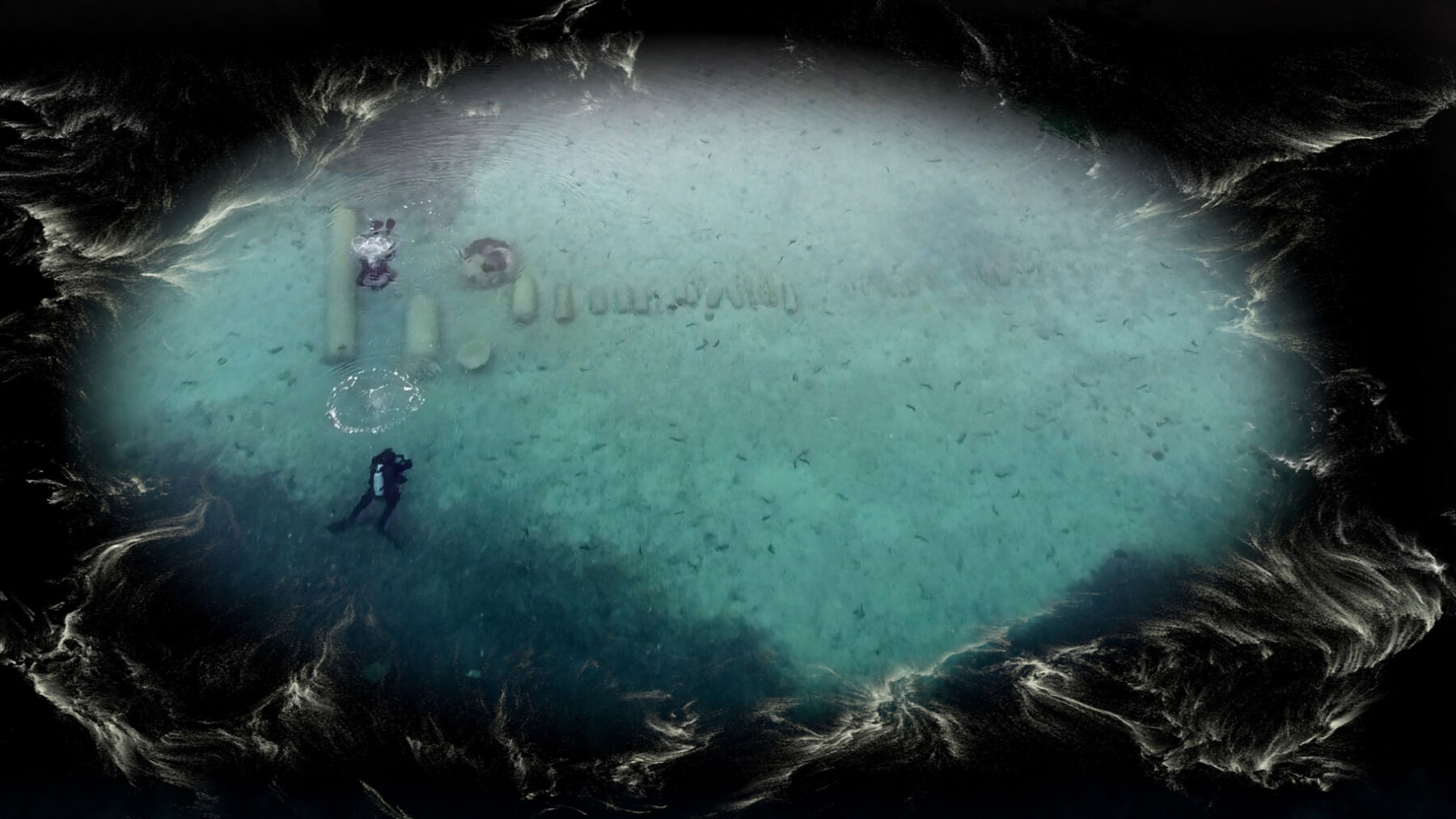
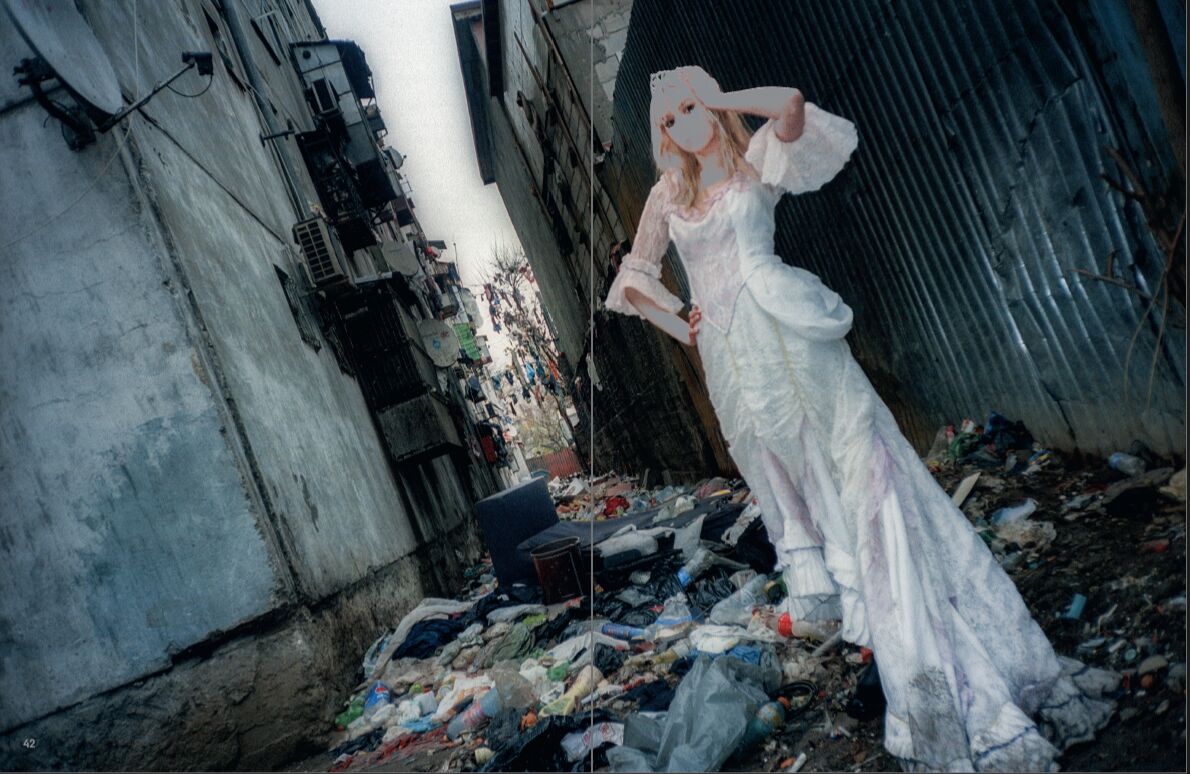
Mihai Barabancea’s photo-image practice is a testimony to his adventurous method of “Balkanic Futurism”, which aims beyond the art of photography, or visual art in general, by indulging in excessive experiments with urban anthropology; testifying to extreme lifestyles, weird behaviours or monstrous beauty of city outcasts on the streets of Bucharest and its fringes of the last decade.
Barabancea manipulates his visions way before and long after becoming a mastermind photographer, his unique intensity originating from the persistent groundwork of a reckless stalker of socially rejected matter, making him first and foremost an ecstatic companion to grotesque individuals he meets, melted in front of his camera eye into their own extravagant realities or even decomposed into no-persons of human waste.
Scouting abandoned industrial sites, post-ideological ruins squatted by lunatics and various delusional micro-worlds, mixing odd folklore with botched cyberpunk into novel hybrid universes, Barabancea provokes their inhabitants with his charisma of frenzied personality and unorthodox, skewed camera angles. His camera captures are raw takes, greedily torn out of reality, biting into the exposed, awkward indulgence of his subjects. Conversely, Barabancea clearly seduces the people who allow him to witness their obscenity, vulnerability, and confusion of both.
They often enact scenes for the camera eye, not only by performative exhibitionism but also arrogantly fraudulent forgery, which in turn produces the most sincere hyperreality, with its illicit promiscuity invading the viewer from the fermenting cultural clash, if not a civilisational collapse of the very gritty encounters with Eastern European stopgap futurities.
Eastern Europe becomes a microcosm where inherited stereotypes, techno-futures, and fractured utopias collide. By turning irony and stereotype back on themselves, he reverses the gaze, confronting audiences with their complicity in systems of exoticisation, bias, and cultural oversimplification. His images reveal not only external distortions but also internalised fictions about power, identity and belonging, wrote Metamorphika studios in their description of Mihai Barabancea’s exhibition at their London East End art space in October (2-19).
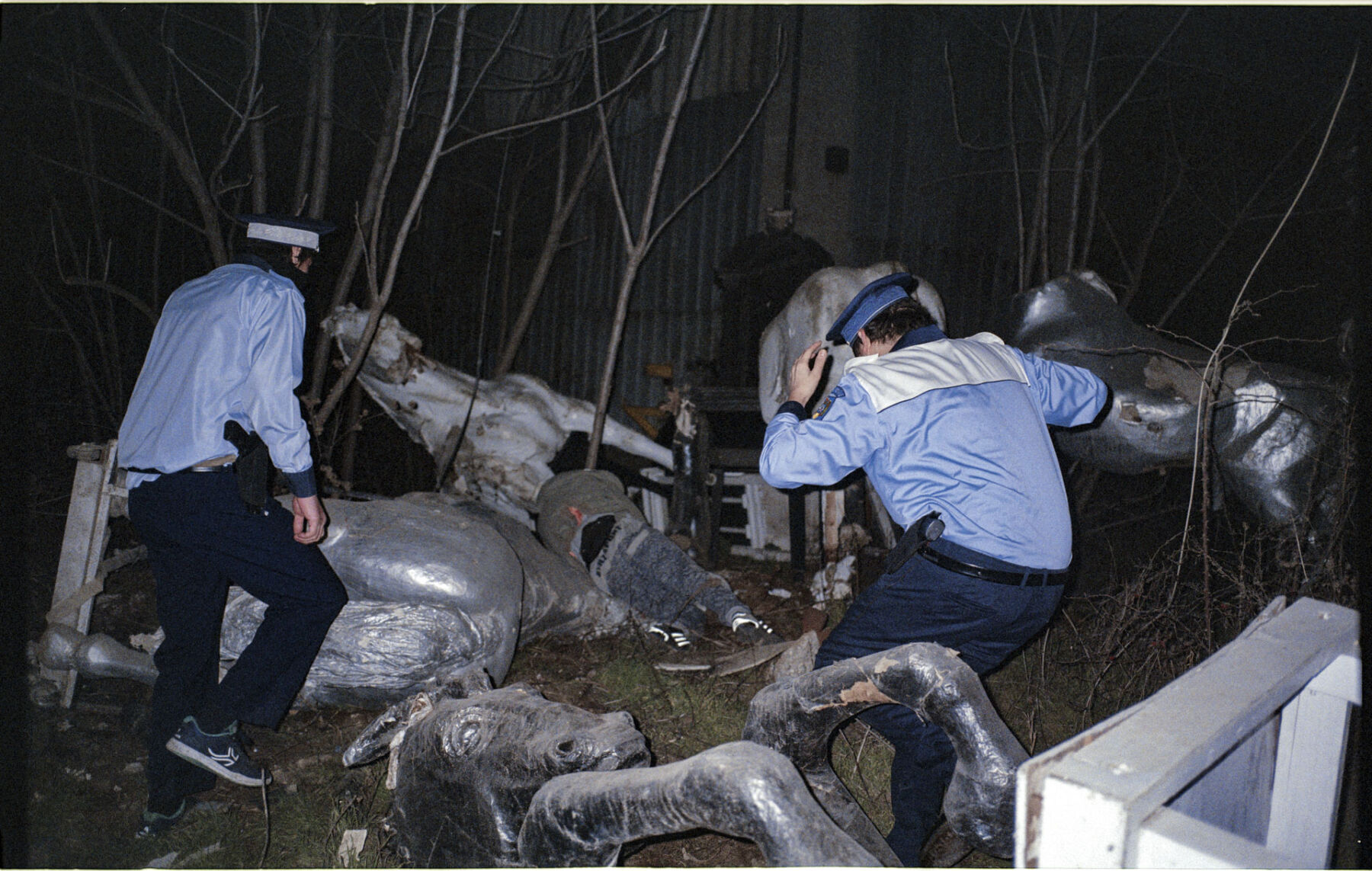
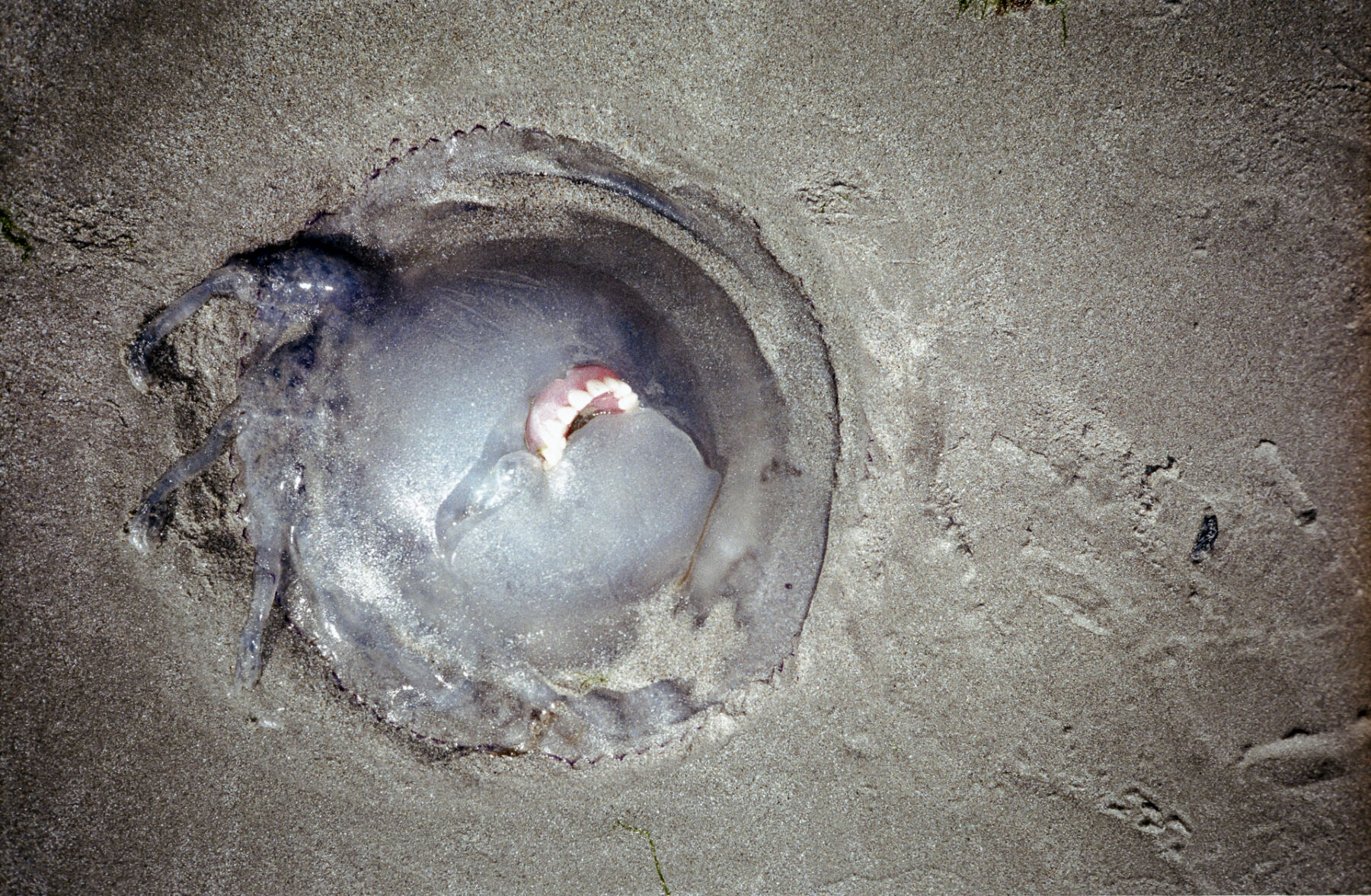
Almost deprived of the capitalist indulgence of Western Europe in 20th century, only to experience rather violent and rough system change in the 90s, in 21st century Eastern Bloc mobilises its post-socialist trauma and desperate savagery, pregnant with a sense of cultural inferiority and multilayered geopolitical dislocations – all turned into unexpected assault on global sphere of simulacra, by means of producing maverick projections of hybrid media art such as Barabancea’s photography that dissects the contemporary media-scape, with its no-nonsense attitude and shocking awkwardness, has turned into a proud affirmation of playful self-determination.
Mihai Barabancea was born to the totalitarian misery of the last days of Romanian communism of the early 80s, which drove the country towards the most severe poverty in Europe at the time. Growing out of those overwhelming historical conditions, his work transforms the survivalist resilience of his nation, rediscovering it as an untapped resource of lively imagination and future-thinking mediations.
Barabancea’s ‘balkanic’ revelation of simulation culture is achieved by risky strategies of playing backgammon with obese nudists covered in black sea mud, grilling meat with gypsies at a cemetery, stalking sexual acts rushed in front of religious icons, releasing goats into rusty factories, choreographing gangs of naked girls inside abandoned churches, cosplaying doom scenarios inside atomic chimneys, mythologizing defunct machinery, taking selfies in front of car crashes, hiding in railway tunnels with homeless orphan kids, stealing a giant spider from an industrial wasteland only to tie naked bodies to it and attack them with discarded motorcycle parts, restaging monster movies in the dusty suburbs, dancing ridiculous spasm around degraded totems of post-digital.
Rendering all of that and more into iconic photobooks, his major printed works include titles such as ‘Overriding Sequence’, ‘The Kiss’, ‘Falling on Blades’ and “Cyber Dolphin Tears’, each marked by experimental sequencing and intoxicatingly dreamlike though lucidly threatening imagery. His visions has been celebrating “homeless dreams, deep bottoms of grotesque desires, mental excess beyond the line of poverty and manic rage against all odds” – all in all fiercely discovering makeshift but at the same time extremely indulgent fantasies in the raw edge of Post-Internet Eastern Bloc.