

tekhnē x CLOT Magazine: Abilities, Music & Tools
Text by Iris Colomb Through five articles rooted in practice and lived experience, tekhnē’s fourth edition, These Abilities, presents a variety of perspectives on Technology, Music and Ableism. This edition and its topic align with tekhnē’s focus on technology’s emancipatory potential in music and sound art contexts. They are brought

Pixel Pioneers, the horizon that will not hold still
Text by Eleni Maragkou There is a particular vertigo that comes from watching a landscape assemble itself out of other people’s ways of seeing. In Geert Mul’s Horizons (2008), more than two hundred works from the Boijmans collection – each holding a horizon somewhere in its frame – are stitched

Ballardian Fish-Bird: a bicycle crash performance by Fung Lee
Text by Piotr Bockowski A report from ‘Terminal Futures: JG Ballard in the 21st Century’ conference On Sunday afternoon 17th May, a Hong Kong performer, Lee Fung, crashed their bicycle by riding into the River Thames in Shepperton, just outside London. It was the final day of Terminal Futures: JG

tekhnē x CLOT Magazine: Mutating Traditions
Text by CLOT Magazine Having recently celebrated 2 years from its first issue, the tekhnē journal is an online periodical offering background and reflection on sound, technology, and creative usership, run collaboratively by six European partners. Q-O2, GMEA, CTM, OUT.RA, Skaņu Mežs, and TRAFO each take the lead on one
Elettrocontaminazioni Meridiane, sonic speculations on Southern Italy – a response to tekhnē’s journal Mutating Traditions
Text by Agostino Quaranta The South of Italy and the dilemma of the future In response to the theme Mutating Tradition of the third edition of the tekhnē journal (curated by CTM) and stemming from a collaboration with CLOT Magazine, I decided to investigate and map relationships with technology that
Chronoclasty. A Clandestine (D)rift Log
Text by Cecilia Scarfò Everything is recorded. If it is recorded, then it can be edited. If it can be edited, then the order, sense, meaning, and direction are as arbitrary and personal as the agenda editing. If reality consists of a series of parallel recordings that usually go unchallenged,
Biennale Danza 2026 – Time does (not) exist? Relational temporalities
Text by Katažyna Jankovska What is time? Is time a linear progression, or can multiple temporalities coexist at once? As Achille Mbembe observes, we are experiencing a clash of temporalities: geological, deep, historical, and experiential times that fold into one another. If we are accustomed to thinking of time as
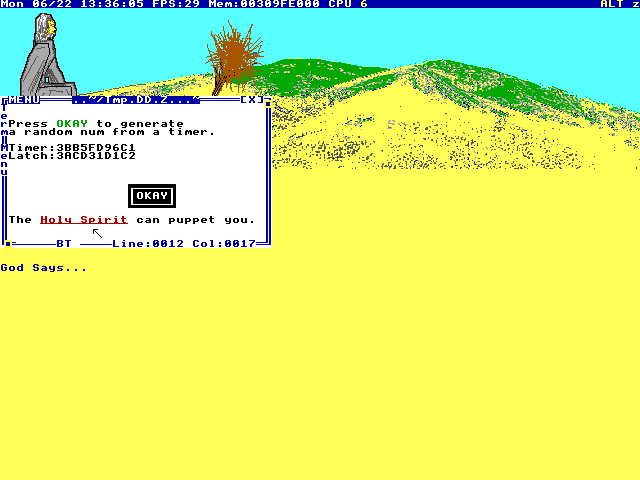
DEUS EX MACHINA – Deconstructing Digital Divinity
Text by Oscar Lund In Philip K. Dick’s 1968 sci-fi novel Do Androids Dream of Electric Sheep?, a new religion has spread across the decaying and abandoned Earth: Mercerism. The fictional religion was first conceptualised in Dick’s short story, The Little Black Box, in which disciples enter a “mystical communion”
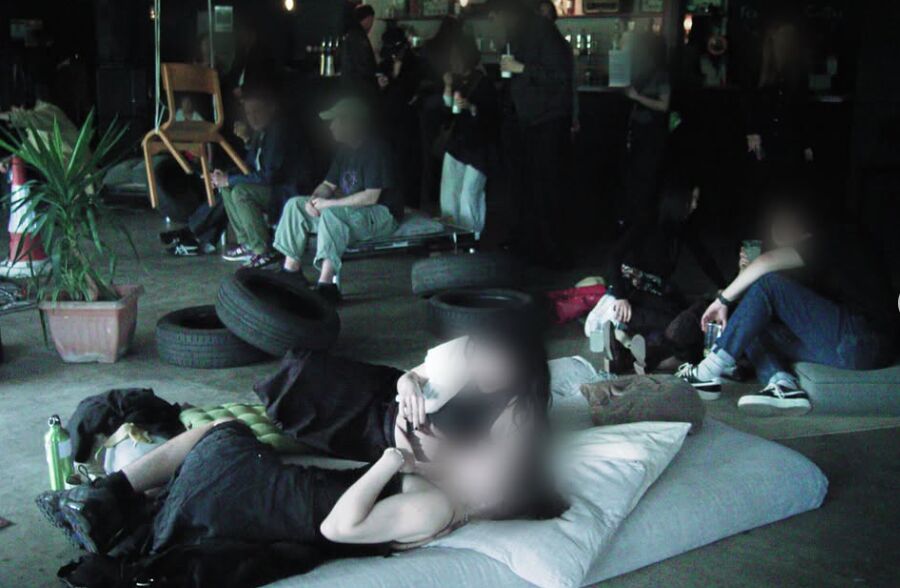
Reflections on Iklectik, events at a car park, current venue ecosystem & models
Text by Atay Ilgun PARKS is a new recurring live programme at IKLECTIK, London. Well-settled into their new home in Peckham Levels, the independent cultural platform has evolved into more than a ‘gig space’, becoming an Art Lab that shapes a radical, cross-disciplinary approach to culture-making. With PARK, iklectik are
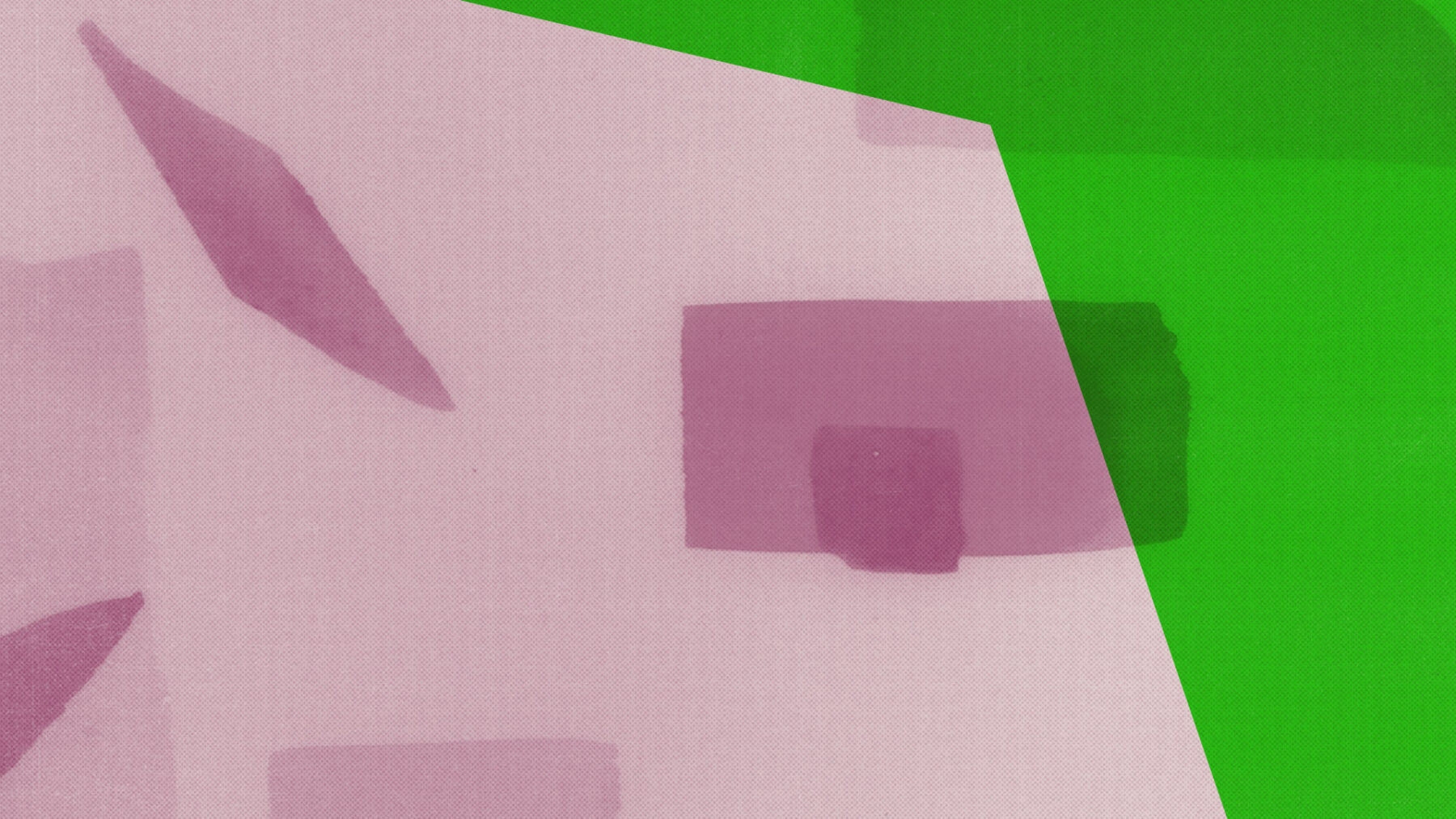
Jaleh Negari’s ‘ما به هم می رسیم | We Reach Each Other’, the self as a project & as an unfinished one
Text by Robert Barry From a distance, Jaleh Negari’s Pattern of Life Analysis II (2025–26) might almost be mistaken for a digital print. You see blocks and shapes in abstract configurations, networks of sky blue rectangles, green dashes and deep orange squares in a field of white space, not a
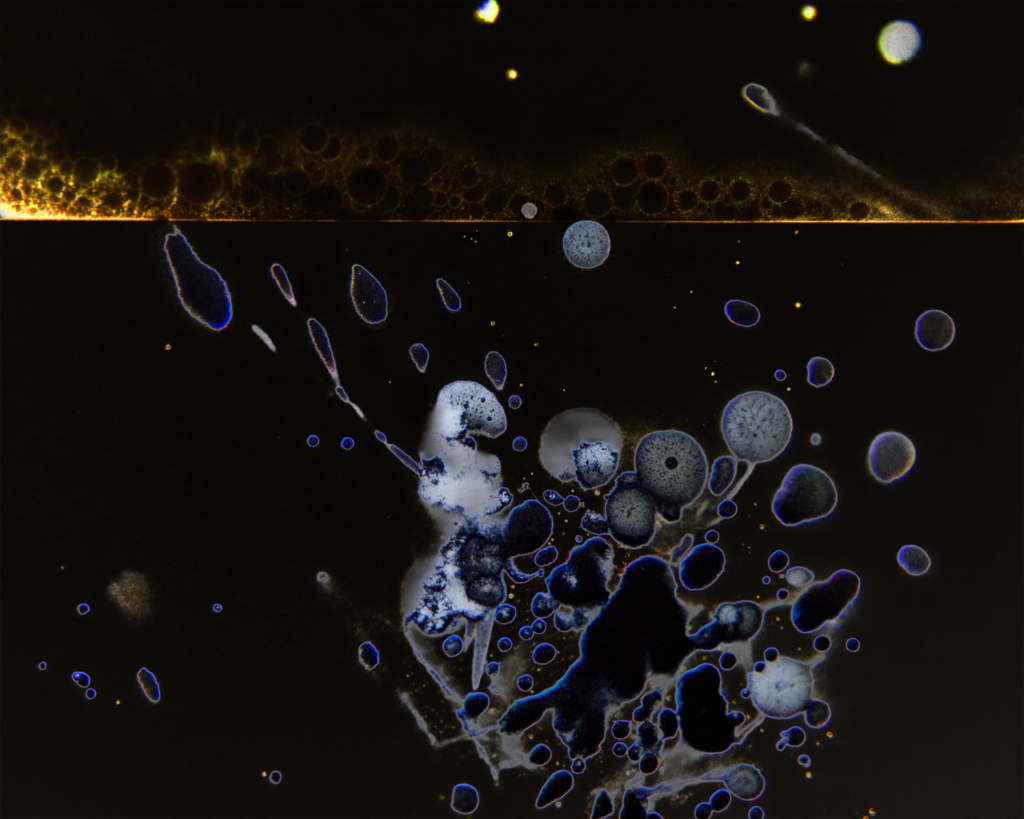
Feeling Smartly: In the dust motes
Text by Sarah-Jane Field SMART, when applied to devices – phones, home automation hubs, or robot carpet cleaners – connotes complex, algorithmic and seamless functionality. In contrast, smart human behaviour is likely to be exhibited by someone who thinks, feels, and responds beyond expectations, perhaps with originality or intuition, and
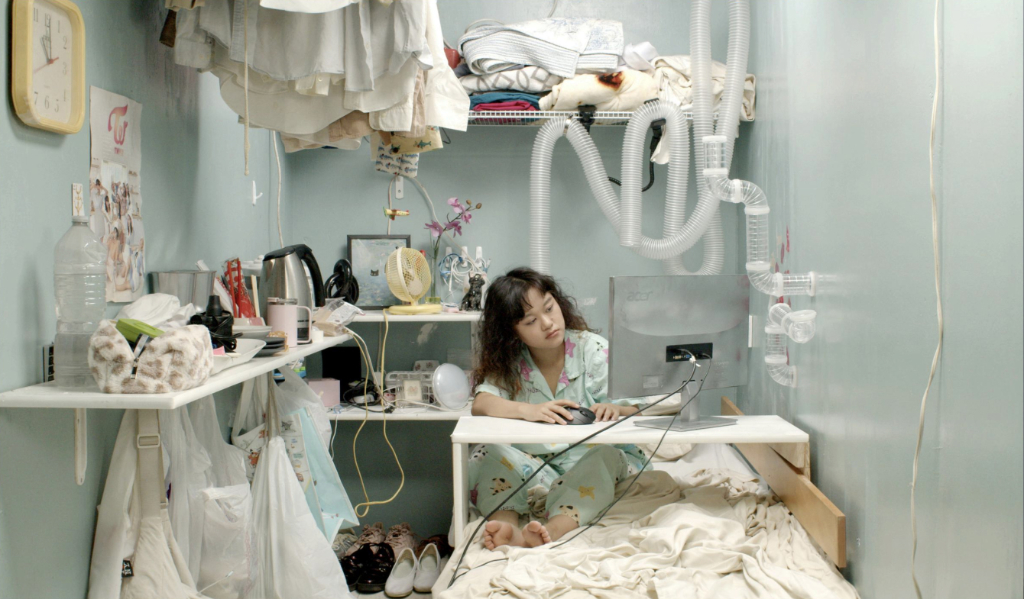
Dismantling & reinventing visibility, exploring Jen Liu’s artistic & intellectual process
Text by Rodrigo Guzman-Serrano There is a persistent assumption built into the concept of visibility that being visible means being relevant, accounted for, and enfranchised. But to be seen is also to be exposed, vulnerable, surveilled even. Across an art practice spanning video, painting, sculpture, and archival research, Jen Liu
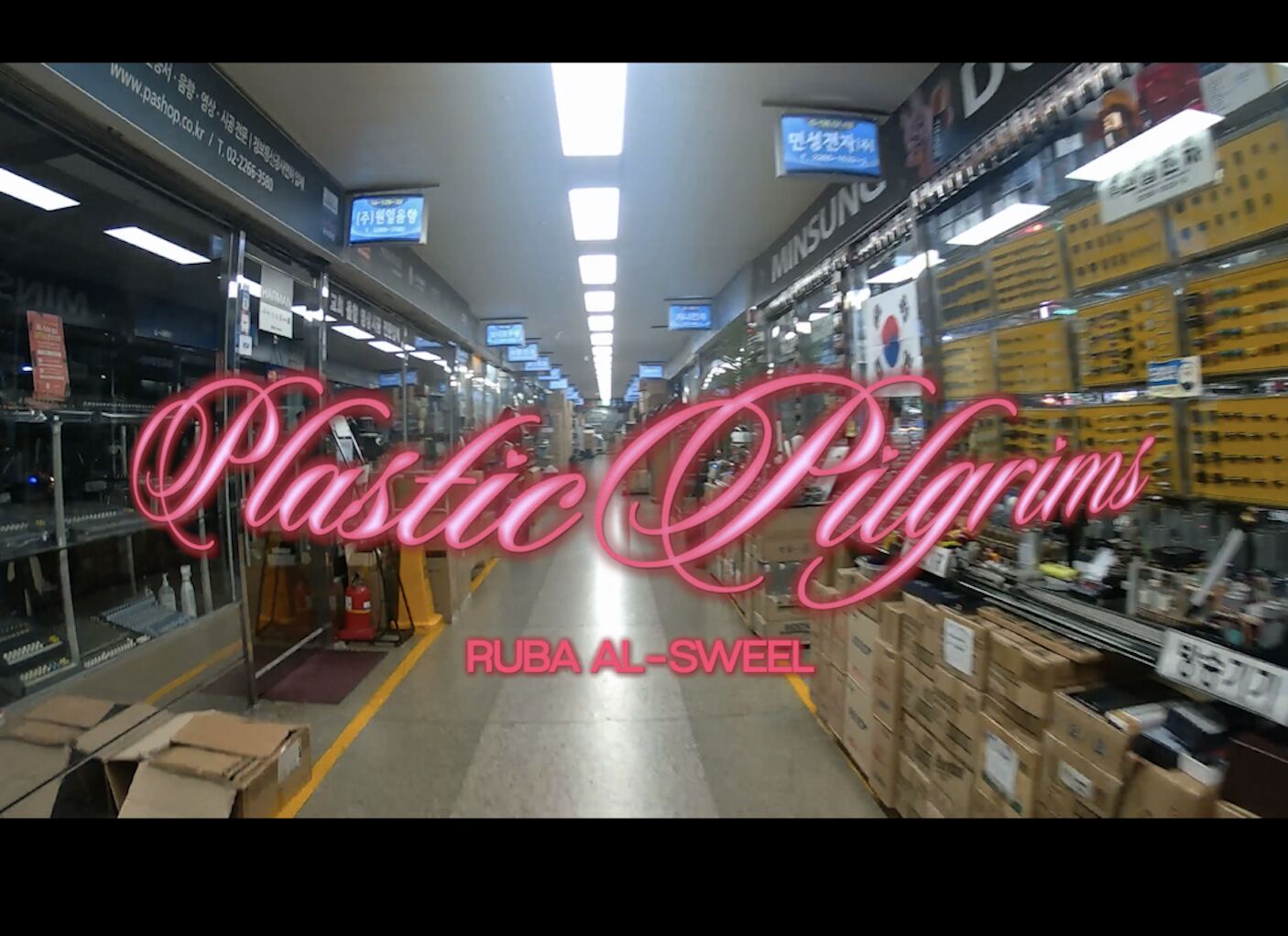
The Phone Talks Back: A monologue on Shenzhen & the architectures of consumer technologies
Text by Ruba Al-Sweel The following monologue is excerpted from ‘Plastic Pilgrims’ (2025), a film by Ruba Al-Sweel, which is written from the perspective of a stolen and resold phone. The monologue narrates the phone’s journey from Shenzhen (colloquially mythologised as the world’s graveyard for stolen iPhones and electronics) and,
FIBER Festival 2026 – The day after: A single drop can change the course of a river
Text by Hannah van den Elzen We are living in turbulent times. The present feeling haunted by catastrophe: genocide, ecocide, the violence of Big Tech, and the unsettling experience of watching things fall apart in real time. “A single drop can change the course of a river”, a phrase spoken
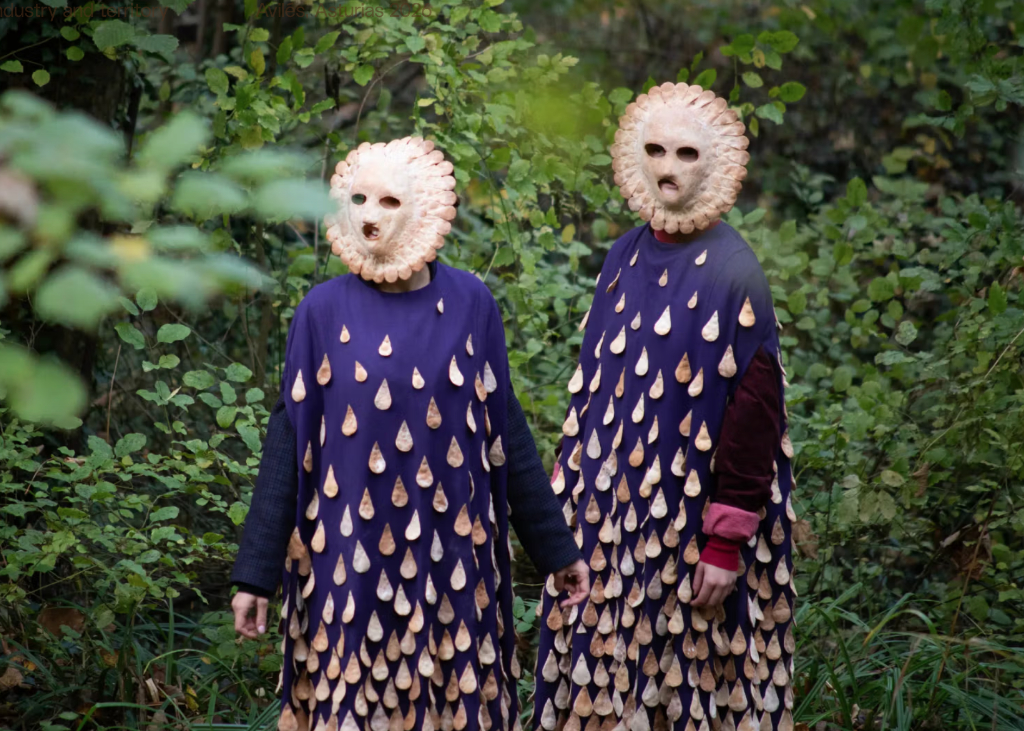
Bienal Climática, exploring industrial memory & ecological futures in Avilés, Spain
Text by Belén Vera During the last decade, climate crisis has gradually shifted from being a recurring subject within contemporary art to becoming one of its main conceptual and curatorial infrastructures. Today, it feels almost impossible to imagine a biennial, museum programme or international art festival that does not engage,
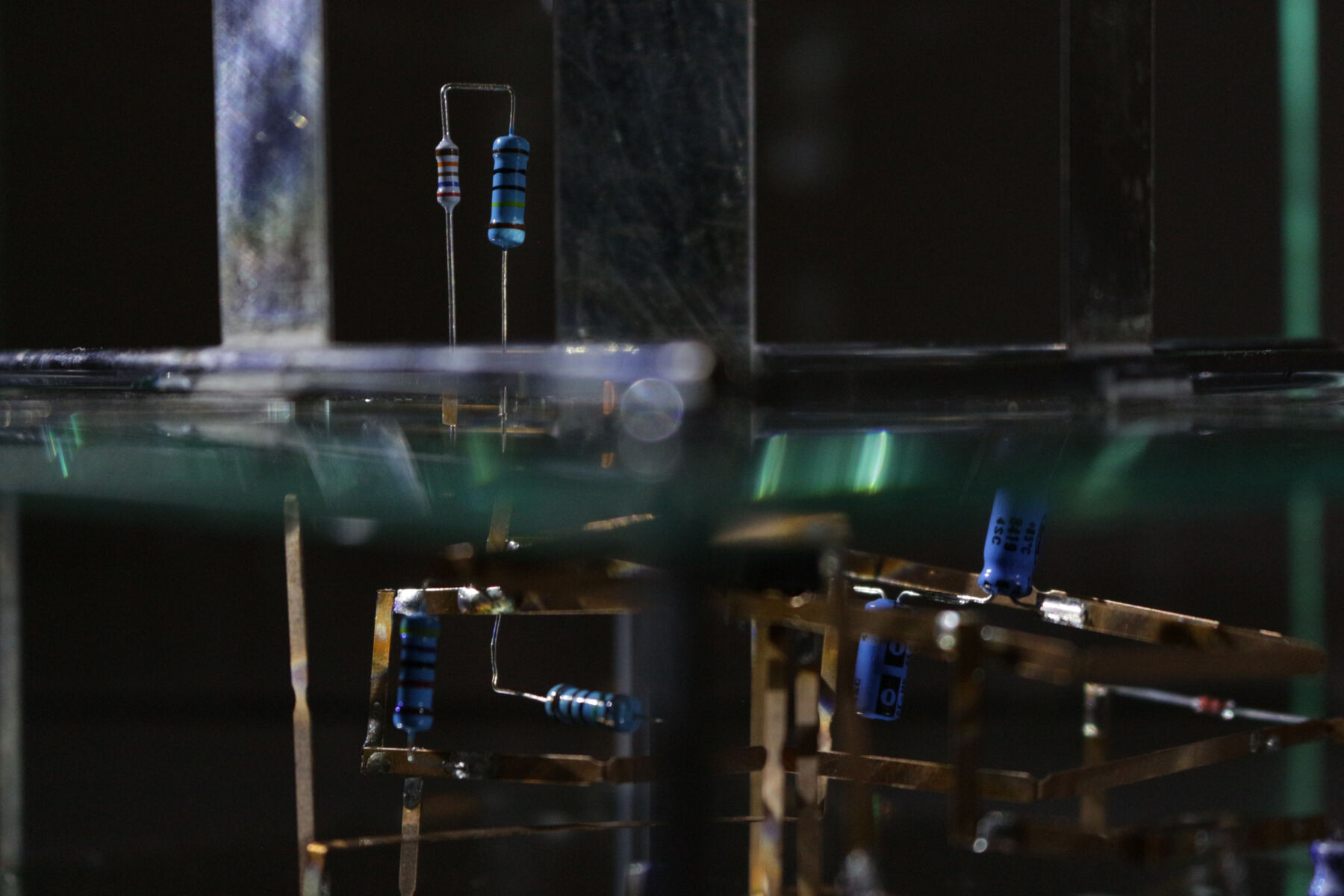
Concatenations, on computation, intrinsic knowledge & grains of sand
Text by Sabina Oțelea Could a grain of sand be investigated independently of its encompassing totality? Could its origin be traced, its future mapped? The friction between a grain of sand and a small infinity of others can be best understood experientially. A small infinity is a number far greater